



Introduction — Eating in Valencia Without Falling for Tourist Traps
Valencia (València) blends Mediterranean coast, agricultural traditions and a bold food scene. But like many popular destinations, it also draws eateries designed for quick tourist turnover rather than serious cooking. Knowing where to eat in Valencia without falling into tourist traps takes a mix of local know‑how, understanding of Spanish hours, attention to menus and vibe, and sometimes the willingness to wander away from the Plaza del Ayuntamiento or the marina promenade.
This detailed guide gives verifiable spots, full addresses, price ranges in euros, typical opening hours and vivid descriptions for each kind of experience: tapas bars locals frequent, authentic paella restaurants away from tourist plates, food markets with fresh produce, and artisan cafés or patisseries to finish your meal on a local note. The aim is twofold: help you taste genuine Valencian cuisine — horchata, paella, high‑end tinned tapas, products from the Albufera — and avoid places where quality is sacrificed for volume and a “typical” décor.
Before diving into addresses, a few simple rules to spot a good place: locals present at lunchtime or dinner; a short, coherent menu (a menu that’s too long often means industrialized cooking); visible fresh produce (fish on ice, baskets of house bread, local cheeses on display); and transparency about product origins (D.O. Valencia rice, local olive oil, regional artichokes). Also note Spanish hours are unusual for visitors: lunch typically starts around 13:30–14:30 and dinner after 20:30, especially in summer.
In this guide you’ll find insider‑tested suggestions and practical tips: how to order a real paella, how to pick a non‑touristy horchatería, and which markets to visit to assemble a Valencian picnic. Addresses are precise so you can plan your days without second‑guessing. I also include local etiquette tips to help you get the most out of the experience — for example share a ración, ask for the bill in Spanish (“la cuenta, por favor”), and accept that some places don’t take cards for small amounts.
1) Tapas Bars and Bodegas Locals Actually Go To
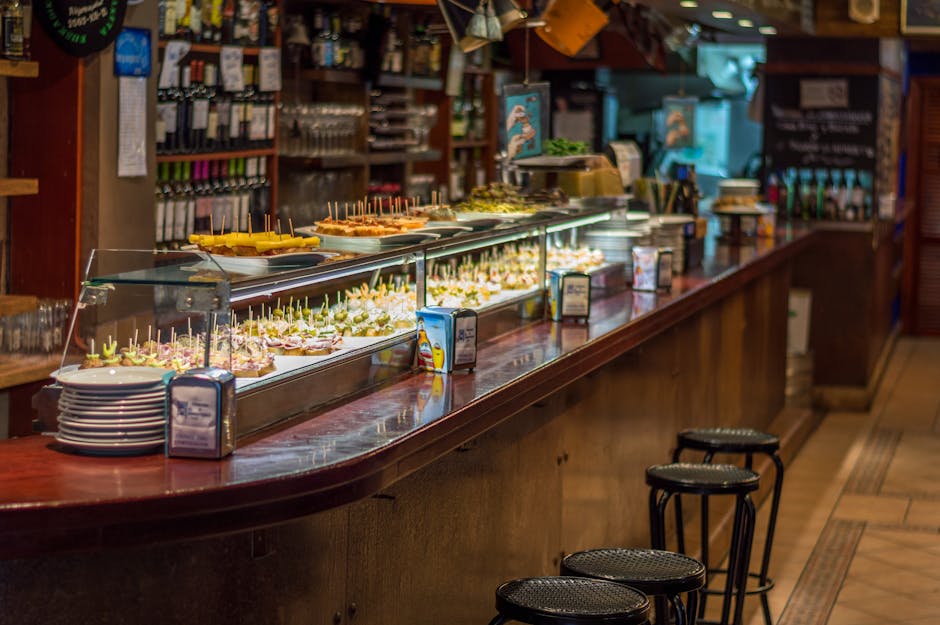
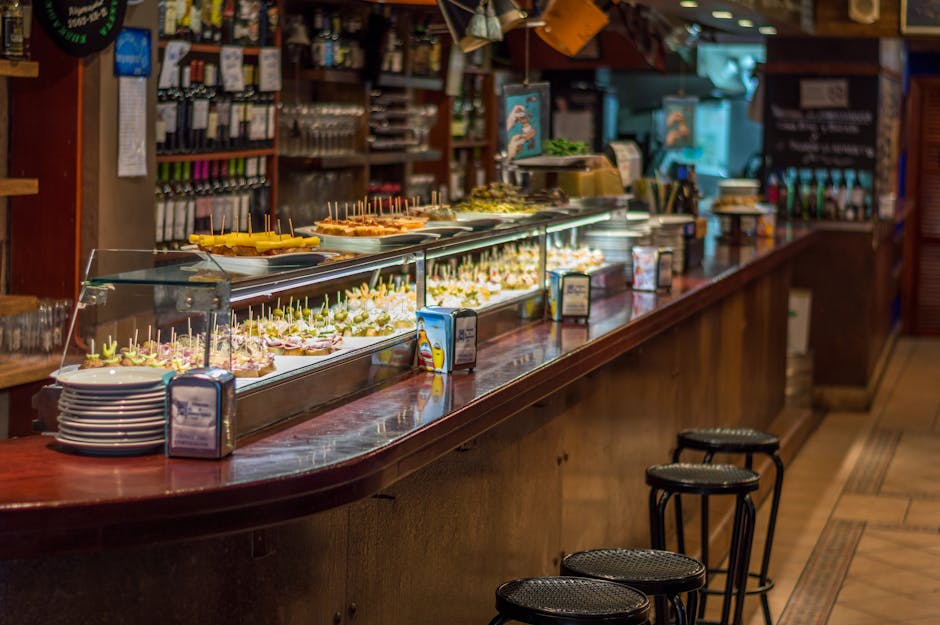
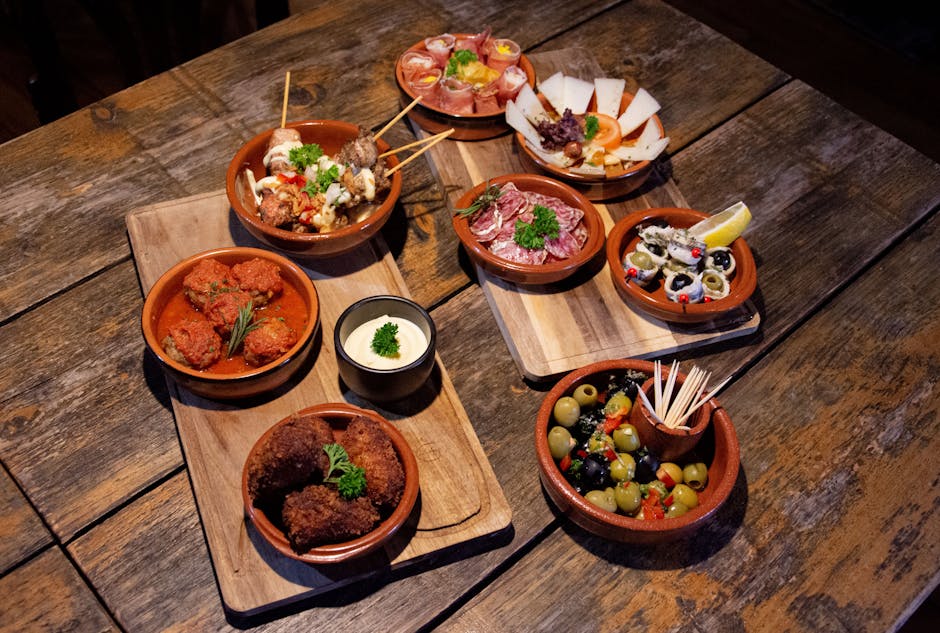
Tapas in Valencia aren’t just pintxos in a window to lure tourists: here the bar culture is alive and centered on places where you stand at the counter, order « una ración » or « media ración », and find quality ingredients. Below are three representative spots for authentic experiences.
Casa Montaña
Address: Carrer de Josep Benlliure, 69, 46011 València
Opening hours: Tue–Sat 13:00–16:00 and 19:30–23:00; closed Sun & Mon (hours may vary in high season)
Price guide: tapas €3–6; raciones €9–18; bottles of wine €18–45
A historic house in the Gràcia area, Casa Montaña is a century‑old bodega with an impressive wine cellar and a short but excellent menu. Expect top‑quality preserved goods (anchovies, tuna belly), grilled shellfish and simply prepared seasonal dishes. The atmosphere is smoky, friendly and mostly frequented by locals. Local tip: book if you want a table; otherwise try the bar for quicker service.
Bar Pilar (La Pilareta)
Address: Plaça de la Reina, 17 (adjacent street), 46001 València
Opening hours: Mon–Sat 12:30–15:30 and 19:30–23:00; closed Sun
Price guide: clóchinas (local mussels) €6–10; tapas €2–5; vermouth €2–3
La Pilareta, often called Bar Pilar, is famous for its clóchinas (local mussels) and vermouth — a classic way to kick off a Valencian meal. The place is small, service is fast and straightforward. You’ll see regulars gathering for a snack and a drink. Tip: come in the afternoon for a typical aperitif — dishes are meant to be shared and are very affordable.
Taberna El Rall
Address: Carrer del Raval, 8, 46003 València
Opening hours: Daily 13:00–16:00 and 20:00–23:30
Price guide: raciones €8–20; cheese plates €12–16; small plates €3–6
Located in the historic El Carmen neighborhood, El Rall stands out for sourcing artisanal products (regional cheeses and cured meats), a concise but focused wine list and seasonal dishes. It’s a great spot to try more contemporary tapas without losing authenticity. Local tip: ask the server for a local wine pairing to go with a board of regional products.
2) Authentic Paella: Where to Go to Avoid Tourist Versions
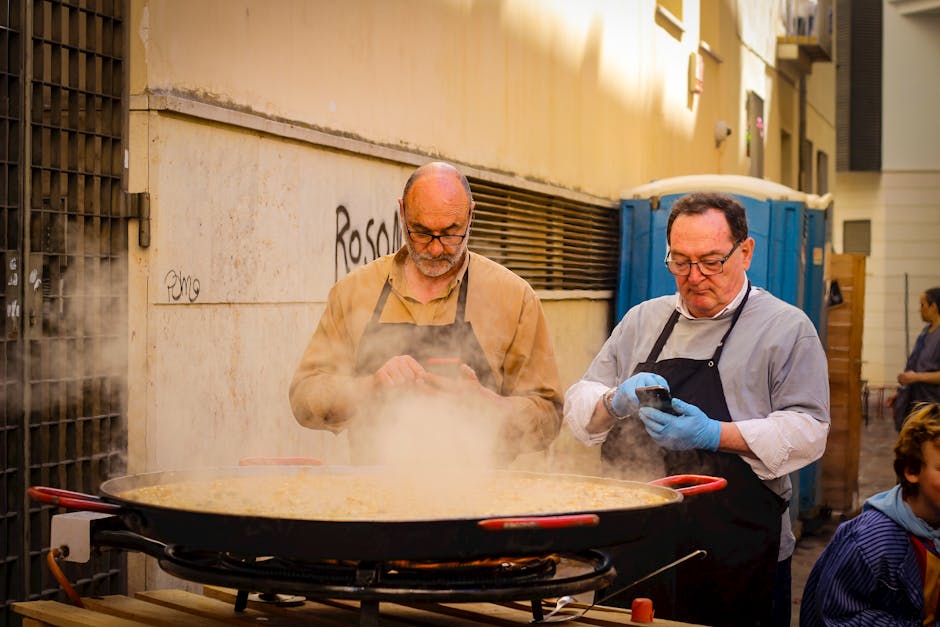
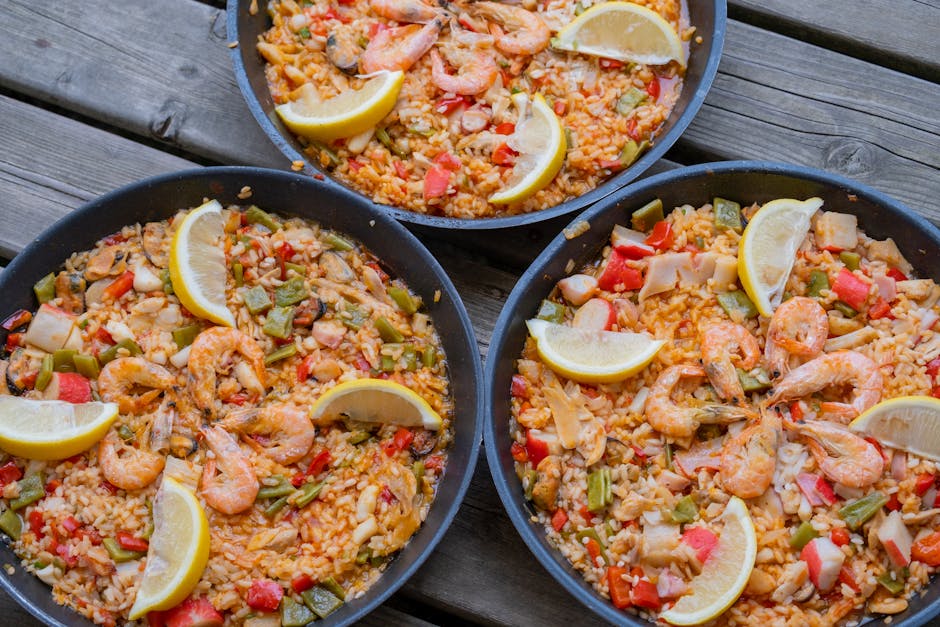
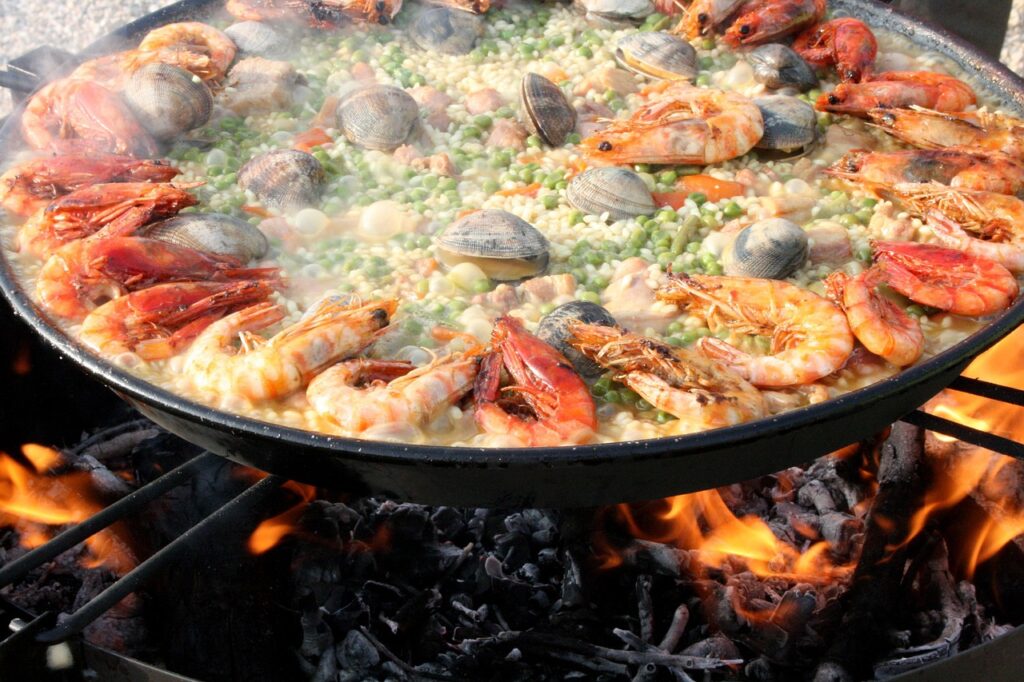
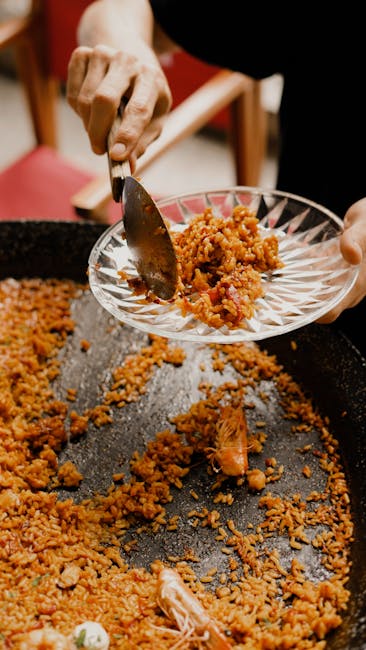
Paella is Valencia’s best‑known culinary attraction — and sadly often misunderstood. The key to tasting an authentic paella is finding restaurants that use D.O. València rice (arroz de la Albufera), local ingredients like rabbit, chicken, garlic, garrofón (large white bean), and cook the paella over wood or a well‑managed flame. Avoid photogenic paellas that are pre‑cooked — the real deal is slow and usually ordered in advance for 2–4 people.
La Marcelina (El Palmar, Albufera)
Address: Calle Real, 35, 46012 El Palmar, València (in the Albufera Natural Park)
Opening hours: Daily 13:00–17:00; closed evenings in low season
Price guide: paella for 2 (paella valenciana) €28–36 per person; tapas €3–7
La Marcelina is a classic in the Albufera, the birthplace of paella. The rustic vibe, lagoon views and boats in the background make a unique setting. Here paella is a family affair, perfectly cooked. Tip: book the paella at least the day before and ask if the rice is D.O. València. Portions are generous — share with family or friends.
Casa Carmela
Address: Paseo Neptuno, 6, 46011 València (near the Malvarrosa area)
Opening hours: Daily 13:00–16:00 and 20:30–23:00
Price guide: seafood paella (per person) €22–32; arroces (rice dishes) €16–28
Just steps from the beach, Casa Carmela cooks paellas over a wood fire like local families used to. People come as much for the traditional cooking as for the proximity to the Mediterranean. Tip: arrive early or reserve, especially in summer, to enjoy paella on site and avoid rushed versions served to beachfront tourists.
Restaurante El Racó de la Paella
Address: Carrer de l’Hostaleria, 21, 46022 València (near the City of Arts and Sciences)
Opening hours: Tue–Sun 13:00–16:00; closed Mon
Price guide: mixed paella €18–26 per person; sharing menus €20–40 per person
El Racó specializes in a variety of arroces (rice dishes) and offers good value if you want paella rooted in tradition. The restaurant emphasizes rice origin and the freshness of seafood. Tip: ask whether the paella will be cooked for the exact number of diners — getting the balance right between rice and broth is crucial for success.
3) Markets and Local Shopping: Eat Like a Valencian
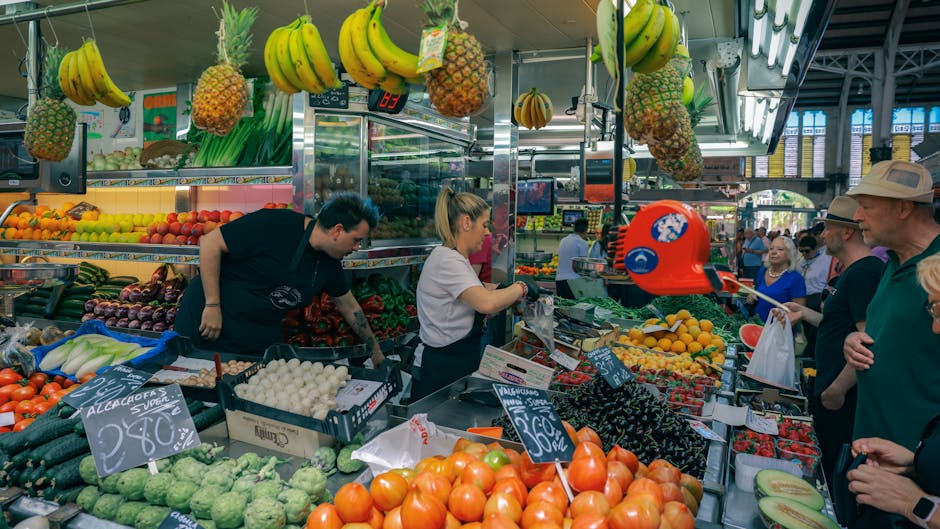
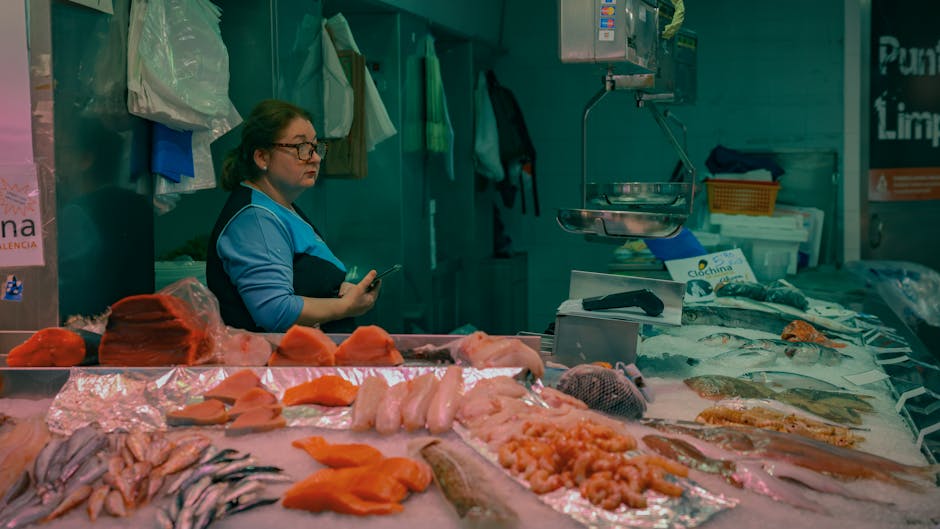
Visiting markets is one of the best ways to avoid tourist traps. Markets let you buy fresh produce (tomatoes from the Huerta, fresh seafood, fresh horchata), observe local eating habits and assemble a simple but authentic meal from regional ingredients.
Mercado Central (Mercat Central)
Address: Plaça Ciutat de Bruges, s/n, 46001 València
Opening hours: Mon–Sat 07:00–15:00 (some stalls close earlier on Saturday); closed Sun (independent food stands may open)
Price guide: tomatoes €1.50–4 /kg depending on variety; fresh fish €8–20 /kg; artisanal cheese €12–20 /kg
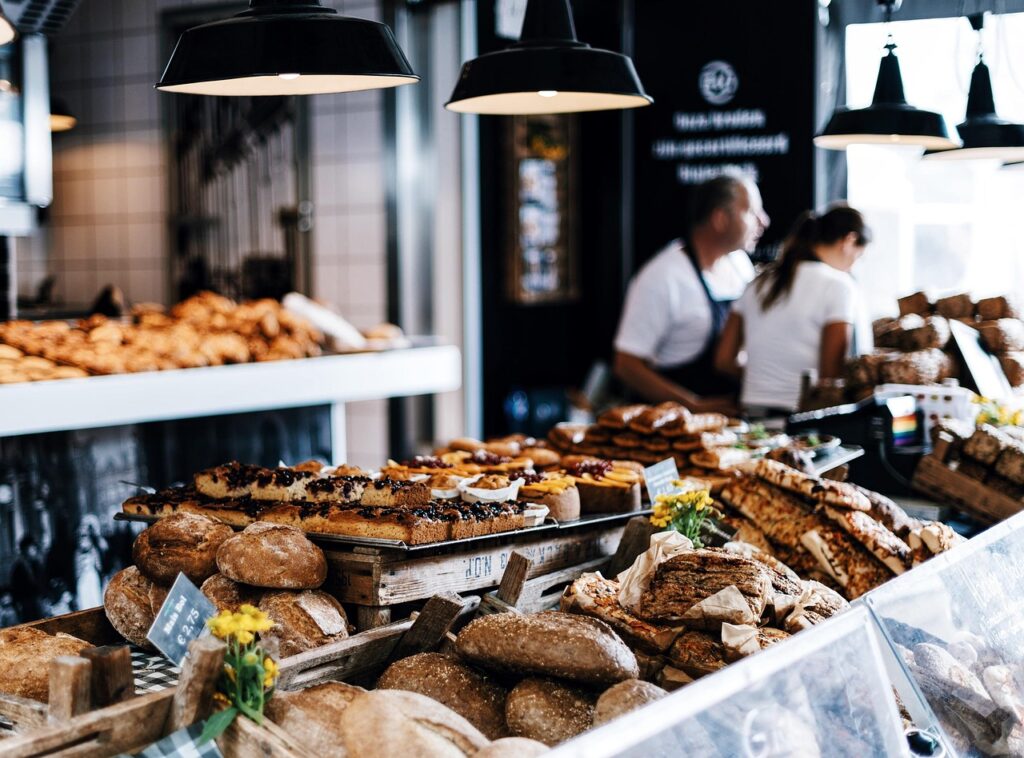
Mercado Central is an architectural gem and a true working market. Stalls offer fruit, veg, fish, meat and specialties. Look for stalls run by long generations — they often sell Huerta de Valencia tomatoes, D.O. olive oil and freshly landed fish. Tip: buy artisan bread from a market baker and put together a picnic to enjoy on a bench in the old quarter.
Mercado de Colón
Address: Calle Jorge Juan, 19, 46004 València
Opening hours: Generally 10:00–22:00 depending on shops; some bars and restaurants open later
Price guide: market tapas €3–8; coffees and pastries €1.50–4; bistro menus €12–25
More stylish, Mercado de Colón suits those who want a mix of artisan market and modern cafés. You’ll find high‑end stalls and bars to nibble at. Local tip: favor stalls with a queue of locals — a line is often a good quality indicator.
La Albufera Market stalls and rice sellers
Address: Weekly markets around the Albufera — check El Palmar and El Saler villages for exact days
Price guide: D.O. València rice €1.50–4 /kg; Albufera vegetables €1–3 /kg
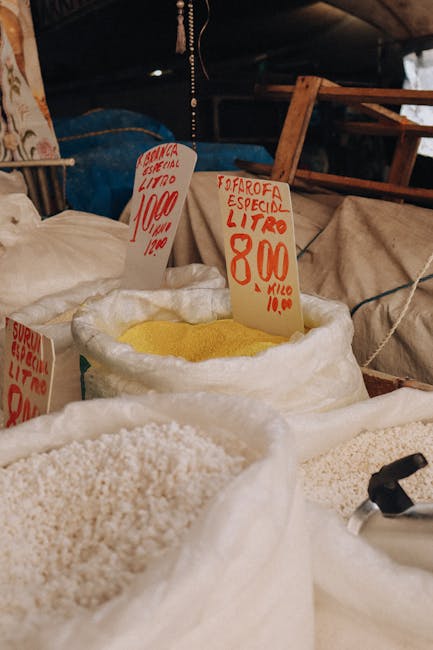
If you have time, visit the village markets around the Albufera Natural Park. You’ll find the rice used for paella and vegetables grown locally. Tip: buying directly from the producer guarantees the authentic taste of the region.
4) Cafés, Horchaterías and Patisseries: Typical Desserts and Drinks
Ending a meal in Valencia can take many forms: an icy horchata with fartons, a coffee in a century‑old patisserie, or a dessert featuring local almonds and citrus. Here are places to taste Valencian sweets without falling into industrial tourist versions.
Horchatería Daniel
Address: Carrer de Vicente Beltrán i Moreno, 7, 46021 València (near Plaza de la Reina)
Opening hours: Daily 10:00–22:00
Price guide: horchata with fartons €3–5; glass of horchata €2–3
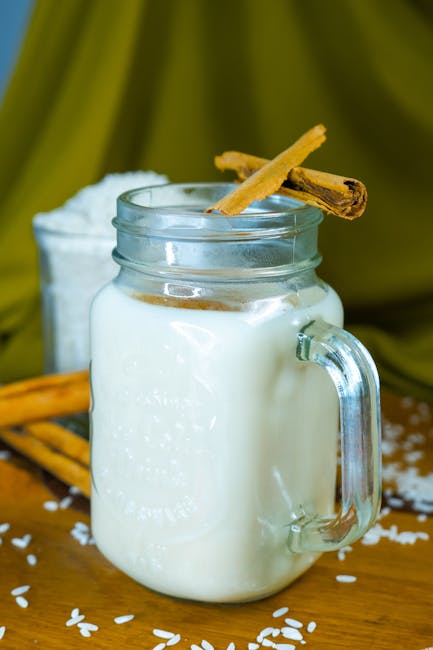
Horchata (orxata in Valencian) is a drink made from chufa (tigernut). Horchatería Daniel serves fresh horchata with fartons (sweet elongated pastries) and is a benchmark. Tip: ask for freshly filtered horchata and avoid industrial ones that are too cold and lack texture.
Pastelería El Obrador
Address: Calle de la Paz, 28, 46003 València
Opening hours: Mon–Sat 08:00–20:00; Sun 09:00–14:00
Price guide: ensaimada or local specialty €2–4; individual cake €3–5
For artisan pastries, look for family run shops like El Obrador that focus on local ingredients (regional lemon, honey, almonds). Local tip: choose pastries made that day and avoid ones wrapped in plastic that have been sitting for days.
Café de las Horas
Address: Carrer del Comte d’Altea, 6, 46005 València
Opening hours: Daily 10:00–01:00
Price guide: coffee €1.50–2.50; cocktails and desserts €6–12
For a more contemporary pause, Café de las Horas offers a bohemian vibe and creative desserts. The spot attracts a mix of locals and design lovers. Tip: it’s a great place for a sweet break after wandering the El Carmen neighborhood.
Practical Tips to Avoid Tourist Traps
Here are operational rules and local tips to spot places to avoid and choose authentic tables:
- Avoid menus in multiple languages displayed outside: a very visible multilingual menu often signals an establishment geared toward mass tourism. Prefer places with a menu in Spanish and sometimes Valencian, with an English version only on request.
- Watch the clientele: if most people seated are locals, you’re on the right track. Restaurants frequented by neighborhood workers at lunch are often higher quality.
- Prioritize seasonal produce: places that change their menu by season show they buy locally and avoid permanent frozen stocks.
- Ask about ingredient origins: asking if the rice is D.O. València, if the fish comes from the local port or if the olive oil is regional gives you good clues.
- Beware of excessive promotions: “paella + sangria for €12” near attractions are usually red flags.
- Book paella in advance: if a restaurant tells you paella is “ready all day,” that’s not a good sign. A real paella is cooked to order for a specific number of people.
- Check the equipment: a visible, well‑equipped kitchen or a paellería with big pans and an open flame indicates artisanal preparation.
Conclusion — Eat Like a Local in Valencia: Patience, Curiosity and Taste
To sum up, avoiding tourist traps in Valencia combines a bit of curiosity, some preparation and simple cues: favor places locals go to, ask where products come from, and accept that the best experiences might require a reservation or a wait. Whether you’re after a wood‑fire paella in the Albufera, an old tapas bar with a wine cellar, a central market that smells of fresh oranges, or a horchata served with fartons, Valencia offers a full palette of authentic gastronomic experiences.
Practically, start at Mercado Central to scout ingredients, follow with a neighborhood horchatería for a local refresher, then finish with a paella you reserved in advance if that’s your goal. For tapas, head to historic bodegas or taverns on quieter streets — often a small street off a big square hides culinary gems. Finally, don’t forget the social factor: the best way to eat like a Valencian is to watch and copy local habits — share, take your time, and savor the conversations around the table.
This guide aims to give you concrete addresses, opening hours and indicative prices to plan meals without surprises. The places mentioned here are solid starting points; once you’re there, leave room for a bit of improvisation — wandering neighborhoods like Ruzafa, El Carmen or around Malvarrosa beach will reveal lesser‑known but exceptional spots. Enjoy — ojalá you enjoy València with the same passion as its people.