



Introduction — Before You Go to Valencia: Preparing Documents and Contacts
Valencia, Spain’s third-largest city, blends Mediterranean coastlines, historic quarters and futuristic neighborhoods like the Ciutat de les Arts i les Ciències. Before you hop on your flight, it’s important to sort your paperwork, save useful contacts and know the local steps to take if something goes wrong. This guide gives you a practical, comprehensive checklist for traveling to Valencia: which documents to bring, pre-trip steps, key phone numbers to have handy, and local tips to avoid common hassles.
Preparation goes well beyond passport and plane ticket: think digital copies, insurance certificates, the European Health Insurance Card for EU citizens, plus emergency and consular contacts. Below you’ll find detailed info, exact addresses, typical opening hours and indicative costs to cover medical emergencies, lost documents, administrative procedures and everyday practicalities (transport, banks, pharmacies).
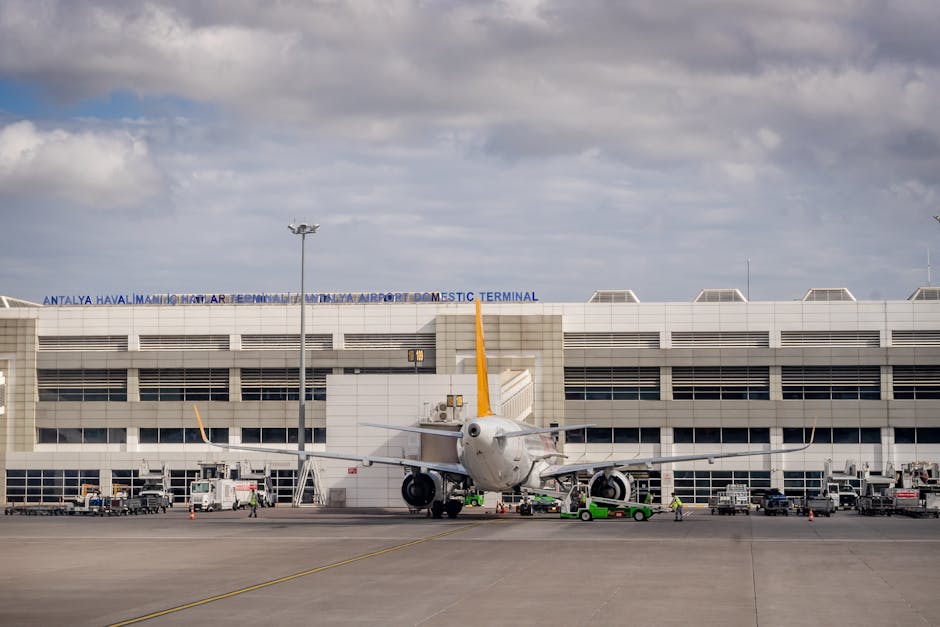
We’ve organized this guide into clear, practical sections: official documents and visas; insurance, health and hospitals; arrival, transport and logistics; useful local contacts (police, embassies/consulates, tourist offices); and on-the-ground tips. Each part includes verifiable addresses, typical hours and indicative fees, plus advice on how to store and use your information while abroad.
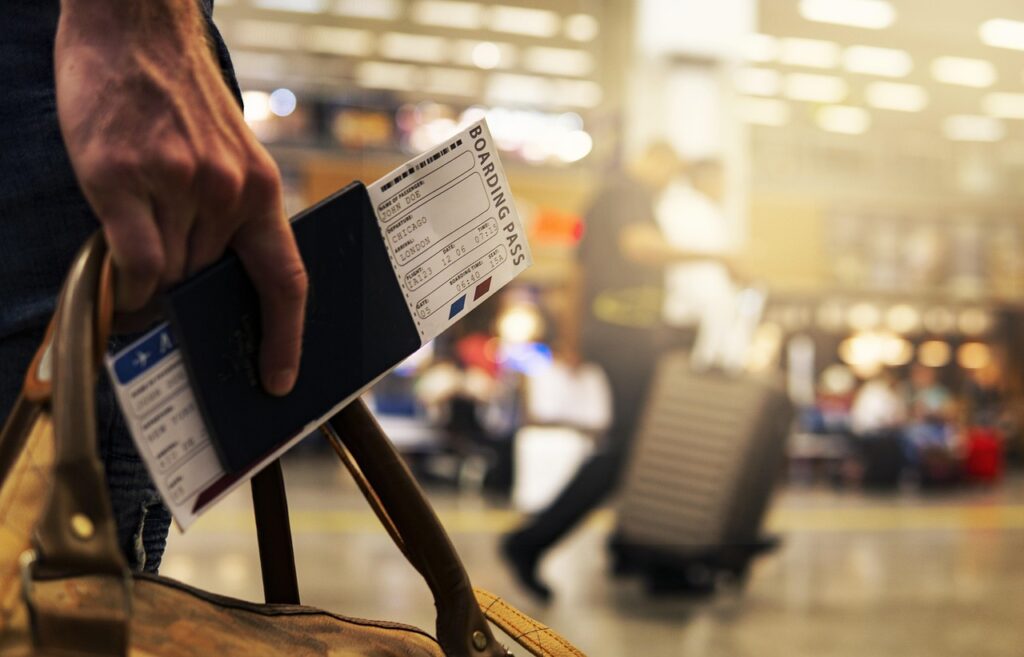
This guide is aimed at every kind of traveler: tourists, business visitors, exchange students and families. It’s designed to reduce the stress of pre-trip admin and to give concrete resources to manage an incident on the road. With a few simple rules (backups, photos, saved contacts) you’ll save time and avoid a lot of trouble on site.

Before you leave, take the time to note this information in a printed sheet and on your phone, including local contacts and emergency numbers. The sections that follow break down exactly what to prepare, with sample locations and contact details for Valencia, plus practical tips for using these services effectively.
Official Documents and Visas: What to Bring and How to Organize Them
The documents you need for a trip to Valencia depend on your nationality and the length of stay. EU citizens can usually travel with a valid national ID card. Non-EU visitors must have a valid passport, and some nationalities require a Schengen visa. Below is a detailed list of papers to prepare and best practices for keeping them safe:
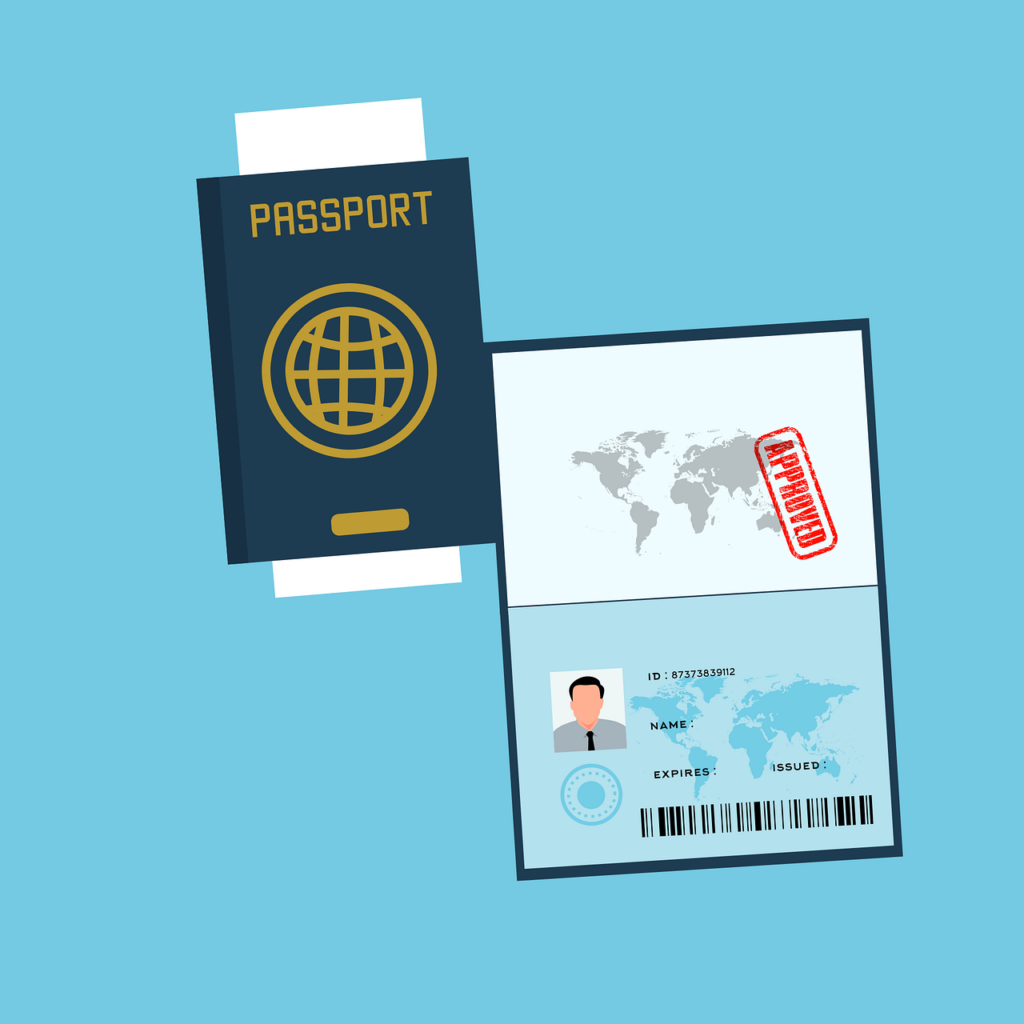
- Passport / ID card: bring the original and scan it (PDF/JPEG). Save copies on an encrypted cloud service (e.g., Google Drive, iCloud, Dropbox with 2FA) and on an encrypted USB drive. If you lose the original, a copy will speed up paperwork at the police station and the consulate.
- Schengen visa or residency permit: if applicable, check the exact requirements on your country’s Spanish consulate website. Short-stay Schengen tourist visas are generally valid for 90 days within a 180-day period.
- Tickets and confirmations: print your flight/train tickets and keep digital copies. Airlines or border officers may ask for proof of onward travel (return ticket).
- Travel insurance certificate: keep your policy number, insurer contact details and coverage limits handy (excess, maximum payouts). Some providers require proof of insurance when applying for a visa.
- European Health Insurance Card (EHIC): for EU citizens, the EHIC provides access to public healthcare on the same terms as local residents. Get it free from your national health service before departure.
- Driver’s license: valid for tourist driving. Non-European licenses might require an International Driving Permit. Check the Dirección General de Tráfico (DGT) for details.
Organization tips:
- Photocopy or scan all important documents and store them in a locked online folder. Also keep a paper copy in a separate place.
- Spread your copies: one in your carry-on, another in checked luggage and a digital version on your phone.
- Arrange official translations if you have documents not available in Spanish or English (contracts, medical certificates).
If you lose documents: first go to the nearest police station to report the loss or theft. In Valencia, the Comisaría Provincial de Policía Nacional (address: Plaza de la Comisaría, s/n, 46002 Valencia) can issue an official report — keep this for the consulate and your insurer. The national emergency number across Spain is 112, for police, fire and medical emergencies.
Insurance, Health and Medical Numbers: Hospitals, Emergencies and Pharmacies
Traveling to Valencia means knowing the local healthcare network and what to do if you need medical help. Below are the main facilities, addresses, hours and indicative fees for care not covered by EHIC or private insurance.
- Hospital Universitari i Politècnic La Fe — Av. de Fernando Abril Martorell, 106, 46026 València. Phone: +34 961 24 50 00. Open 24/7 (emergency). Description: large university hospital with emergency, surgery, pediatrics and orthopedics. Emergency consultation fees for non-resident, uninsured patients vary (roughly €150–€400 depending on tests).
- Hospital Clínico Universitario de Valencia — Av. de Blasco Ibáñez, 17, 46010 València. Phone: +34 961 97 30 00. Open 24/7 for emergencies. Description: specialist outpatient services, medical imaging and lab facilities.
- Centro de Salud (Primary Care Center) — address varies by neighborhood; most are open 08:00–20:00 on weekdays. These centers handle non-urgent consultations and prescription renewals for covered patients.
Pharmacies: look for the green cross sign. 24-hour pharmacies or on-call (farmacia de guardia) rotate daily. Example: Farmacia Hernández, Calle Colón, 45, 46004 Valencia. Hours: typically 09:00–21:00 (variable). Prices: an over-the-counter anti-inflammatory costs around €3–€10.
Numbers and procedures:
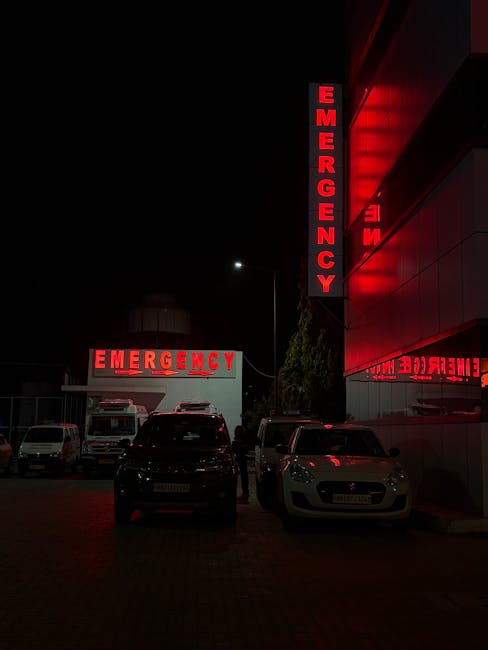
- General emergencies: 112 (free, all services).
- Policía Nacional: 091 (to report theft or assault).
- Guardia Civil: 062 (rural areas and highways).
Practical advice: buy travel insurance that includes repatriation, liability and medical expenses. Save the policy and 24/7 assistance number in your phone. If you take regular medications, bring a medical prescription or a note in English or Spanish listing dosage, active ingredients and your doctor’s contact info.
Arrival, Transport and Logistics: Planes, Trains, Buses and Taxis
Organizing your arrival into Valencia makes settling in much easier. Here are the main transport hubs, addresses, schedules and typical fares to help you plan your transfer from the airport or stations.
- Aeropuerto de Valencia – Manises — Address: Aeropuerto de Valencia, 46940 Manises, Valencia. Phone: +34 902 404 704. Terminal hours follow flight schedules (effectively 24/7). Description: small international airport with European connections. Transfer to the city center: taxi (~€25–€30, 20–25 minutes), metro lines 3 and 5 to the center (~€3–€4), EMT bus line 150 (€1.50–€2.00), private shuttles if pre-booked (€6–€12).
- Estació del Nord (Estación del Norte) — Plaça d’Alfons el Magnànim, s/n, 46004 València. Regional and local train services; within walking distance of Plaza del Ayuntamiento. Ticket offices usually open 06:00–22:00.
- Estación Joaquín Sorolla (AVE) — Calle Jesús, s/n, 46007 Valencia. High-speed rail hub (AVE) with services to Madrid and Barcelona. Times vary by train (first departures often around 06:00).
Urban transport:
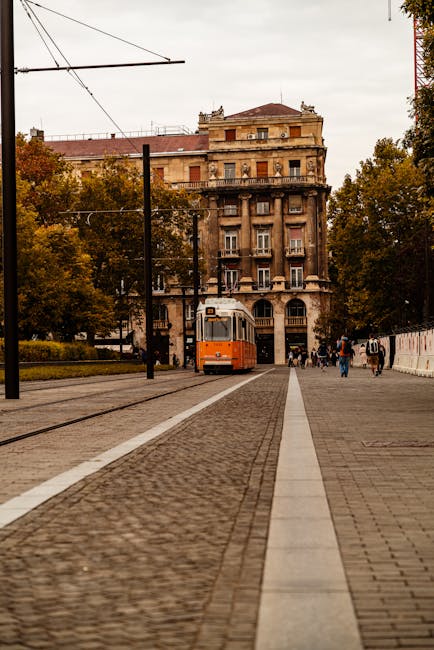
- Metrovalencia — operated by the Generalitat Valenciana (lines 1–9). Fares: single ticket from about €1.50 depending on zones; rechargeable multi-ride ticket (Bonometro) available at stations. Typical hours: roughly 05:30–23:30 on weekdays (varies by line).
- EMT Valencia (municipal buses) — most lines run 06:00–23:00; some night routes (NitBus) operate after midnight. Single ticket: ~€1.50–€1.75 bought on board or via the EMT app.
- Taxi — indicative rates: flag drop ~€2.50, per km ~€1.10–€1.30; airport-to-center ~€25–€30. Local taxi number: +34 96 315 10 10 (example).
Logistics tips: if you arrive late at night, book a private transfer or a hotel near the center to avoid long waits. Download Metrovalencia, EMT and the official Valencia Tourist Card apps if you plan multiple visits (tourist cards for 24–72 hours often include transport and museum discounts; prices typically €15–€40 depending on duration).
Useful Local Contacts: Police, Tourist Offices, Consulates and Administrative Services
Keep practical contacts at hand. Here’s a selection of key services in Valencia with addresses, hours and how they’re useful:
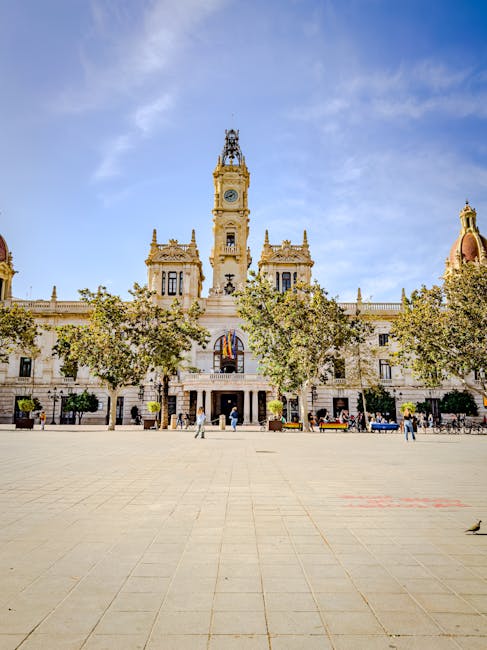
- Oficina de Turismo de València (Plaza del Ayuntamiento) — Plaza del Ayuntamiento, 1, 46002 València. Phone: +34 96 301 40 40. Hours: 09:00–20:00 (summer: 09:00–21:00). Services: info, maps, guided tour bookings and brochures in English and French.
- Policía Nacional – Comisaría Provincial — Plaza de la Comisaría, s/n, 46002 València. Phone: 091 (local emergency line). The desk is open day and night for filing reports; emergencies handled 24/7 via 112 or 091.
- Honorary Consulate / Consulate General of France in Valencia (consular services) — for French nationals there is typically an honorary consulate; address and hours vary: check the official Ministry for Europe and Foreign Affairs website before you travel.
- Ambulance and medical emergencies — number: 112; for La Fe hospital: +34 961 24 50 00 (24/7 emergency).
- Rail information (RENFE) — enquiries: +34 912 320 320; stations: Estació del Nord and Joaquín Sorolla for AVE services.
Communication tips: if you’re a victim of theft or loss, report it to the police immediately and request an official report (denuncia) — this document is essential for insurers. For consular procedures (document renewal, emergency passport), contact your country’s embassy or consulate; addresses and opening hours can change, so check official sites before departure.
Practical Local Tips: Safety, Money, Accommodation and Customs
Finally, adopt a few local habits for a smoother stay. Valencia is generally safe for visitors, but stay alert in tourist hotspots. Here are concrete tips:
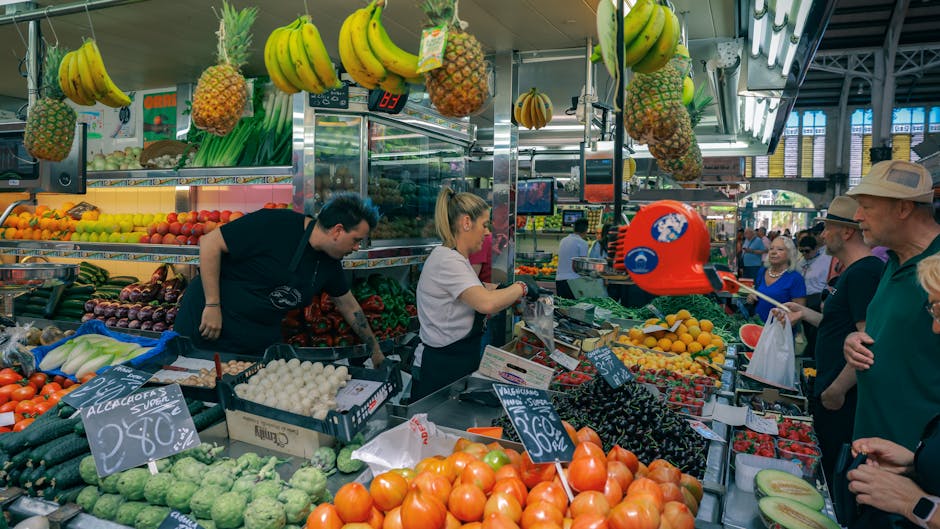
- Safety: don’t leave valuables visible on the beach or in vehicles. Pickpockets are most active on public transport and in crowded areas (Mercado Central, Plaza de la Reina, Ciutat Vella). Use a money belt or hidden pouch for important documents.
- Money: most shops accept cards, but carry some cash (€50–€150) for taxis, small purchases and tips. ATMs (cajeros) are widespread but your bank may charge fees.
- Accommodation: confirm the exact address, arrival time and key handover procedure. Hotels typically ask for ID at check-in (DNI or passport). For private rentals (Airbnb), keep your host messages and the precise property address.
- Local customs: Spaniards on the mainland often dine late (after 20:30–21:00); small shops and banks may close for a short siesta in the afternoon (around 13:30–16:30) — though in Valencia larger stores usually stay open.
Following these tips and saving essential contacts will minimize risks and let you fully enjoy Valencia: its beaches (Playa de la Malvarrosa), museums (Museo de Bellas Artes de València, Museo Fallero), and cuisine (paella valenciana) in a welcoming, well-organized city.
Final Practical Reminders
Before you leave, check your documents’ validity, inform your bank of your travel plans, download useful apps (Google Maps, EMT València, Metrovalencia, RENFE, emergency numbers) and share contact details with a trusted person who can help in an emergency. Also note that office and consular hours may vary by season. Have a great trip to Valencia — travel with peace of mind by bringing these essential documents and contacts.
Conclusion
Traveling to Valencia with confidence starts with careful preparation: official documents, secure backups, the right insurance, knowledge of medical and administrative services, and a list of practical contacts saved both on paper and digitally. This guide has given you concrete addresses (Aeropuerto de Valencia – Manises, Hospital Universitari i Politècnic La Fe, Oficina de Turismo Plaza del Ayuntamiento, Estació del Nord and Estación Joaquín Sorolla), emergency numbers (112), plus safety, money and arrival tips.
Before leaving, verify time-sensitive information (ticket office hours or pharmacy on-call lists) on official sites or by calling the establishments. Most public services in Valencia provide information in English, but having translations of your medical documents or a short emergency phrase in Spanish can smooth communication. If you lose documents or have an incident, your first step is to file a report (denuncia) at the nearest police station and contact your consulate; keep copies of every exchange for the insurer.
If you follow these recommendations — scan your documents, take comprehensive insurance, save emergency numbers and learn local transport — you’ll greatly reduce the risk of complications and be ready to enjoy Valencia’s warm hospitality and rich culture. Enjoy the paella, strolls along the Turia and sunsets at Malvarrosa Beach, all backed by the calm that good preparation brings. Buen viaje and welcome to Valencia!