



Introduction — Valencia Weather Calendar: When to Choose Sunshine or Cooler Days
Valencia, Spain’s third-largest city and a gem on the Mediterranean coast, shows a wide range of weather moods through the year: sun-drenched warm days, refreshing sea breezes, cool mornings and mild winter nights. This comprehensive guide helps travelers pick the best time to visit based on their priorities — whether you want swimming and lounging on the beach, culture without the mid-summer furnace, hiking in the Albufera Natural Park, or relaxed food-focused days. We’ll outline the times of year best for sunshine, when cooler weather is preferable, and share practical tips, exact addresses, typical opening hours and price ranges so you can plan a well-balanced trip.
Valencia enjoys a Mediterranean climate with mild winters and hot, dry summers. Still, its coastal proximity and local topography create microclimates: Malvarrosa Beach can feel milder than a central neighborhood caught in a heatwave, while the inland areas and the Albufera Park experience marked temperature swings at sunrise and sunset. Knowing these nuances helps you use the weather calendar to maximize comfort — choose sun for beaches and terraces, choose coolness for museums and intense urban walks.
In the sections below you’ll find detailed information on: understanding Valencia’s climate (monthly averages, rain and wind risks), when to come for sun (spring and early autumn), when to come for cool weather (late autumn and winter), and practical tips tailored to activities (beach, museums, nature trips, food). Each part includes concrete places to visit with addresses, typical opening times and price ranges so you can build an itinerary that matches your weather preferences. Local tips — like the best spots and times to enjoy the Albufera sunset or how to dodge the crowds at Mercado Central — complete the picture.
Understanding Valencia’s climate: averages, winds and microclimates
Valencia has a mild Mediterranean climate: average daytime temperatures hover around 18 °C over the year, with short, mild winters and long, hot summers. Here’s a handy summary to plan around your expectations:
- Spring (March–May): temperatures steadily rise, days are often sunny and evenings can be cool. Averages: 16–22 °C during the day in April–May. Rain is limited but occasional storm showers can occur in May.
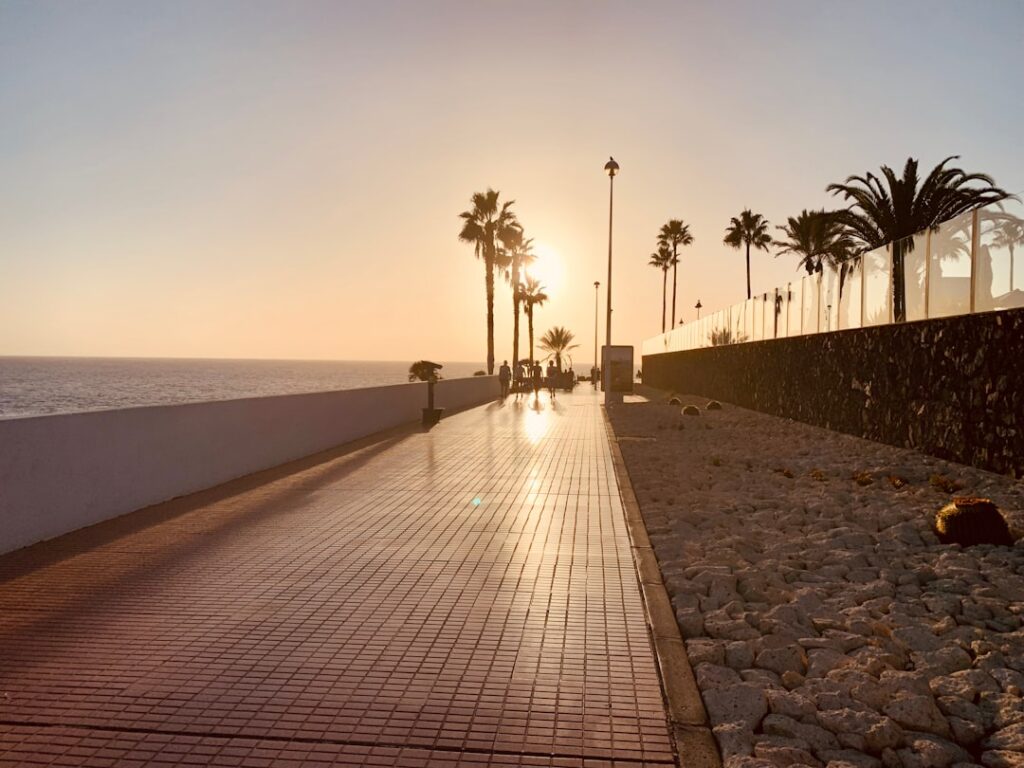
- Summer (June–August): hot with strong sunshine, temperatures often above 30 °C in July–August, humidity is moderate. An afternoon sea breeze along Malvarrosa Beach helps temper the heat.
- Autumn (September–November): September often feels like an extension of summer; October is mild, and November becomes cooler with more rainy days. September–October are ideal for good weather and pleasant temperatures.
- Winter (December–February): cool nights but rarely freezing, daytime sunshine commonly around 12–18 °C. Frosts are uncommon in the city but more likely in surrounding mountain areas.
Dominant winds include the afternoon sea breeze and, occasionally, the ponent (a warmer west wind). Microclimates vary between the coast and inland: for example, the Turia Garden (Jardí del Túria) is pleasant in the late afternoon thanks to tree shade, while areas near the Turia river can be cooler in the morning. In the mountains or at the Albufera, temperatures can drop quickly after sunset; pack a light layer even in summer if you plan an outing at dusk.
Practical weather tip: check a local 10-day forecast before you travel (Mètéo Valencia, AEMET) and bring a lightweight jacket for the evening, even in summer. For driving or hiking, consider midday heat — schedule intense activities for morning or late afternoon.
When to prioritize sunshine: spring and early autumn for beaches, terraces and festivals
If sunshine, moderate warmth and long days top your list, aim for two windows: spring (April–May) and early autumn (September–early October). These periods strike a great balance: pleasant temperatures, fewer crowds than high summer, and generous sun.
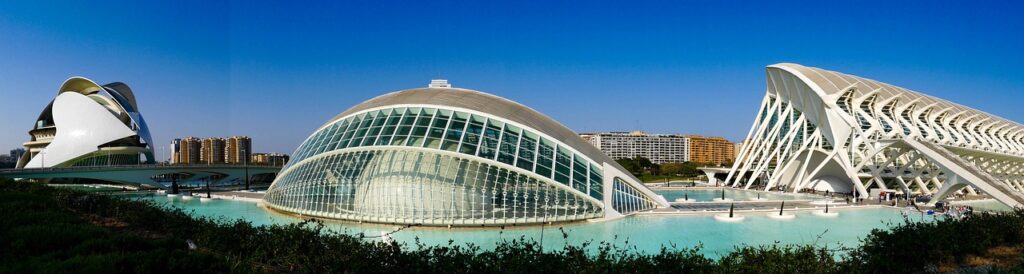
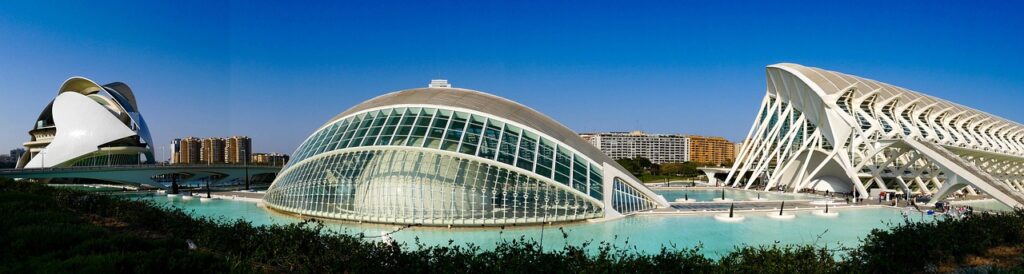
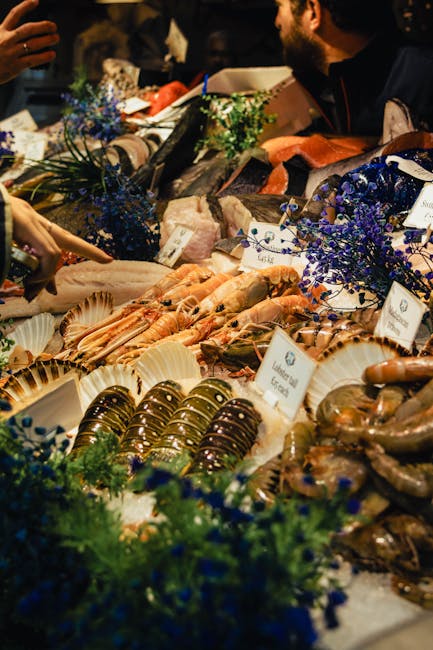
Spring — Advantages: blooms, enjoyable terraces and often lower accommodation prices than in summer. It’s a great time to visit outdoor cultural sites like the Ciudad de las Artes y las Ciencias (Avinguda del Professor López Piñero, 7, 46013 Valencia). The complex, which includes the Museu de les Ciències Príncipe Felipe (Av. del Professor López Piñero, 1, 46013 Valencia), usually opens from 10:00 to 19:00; adult tickets are roughly €8–€15 depending on temporary exhibitions. Spring weather also makes exploring the Mercado Central (Plaça Ciutat de Bruges, s/n, 46001 Valencia) pleasant between 07:30 and 15:00 Monday to Saturday — free entry, purchases range widely (fish, fruit, cheese: €2–€30 depending on quality).
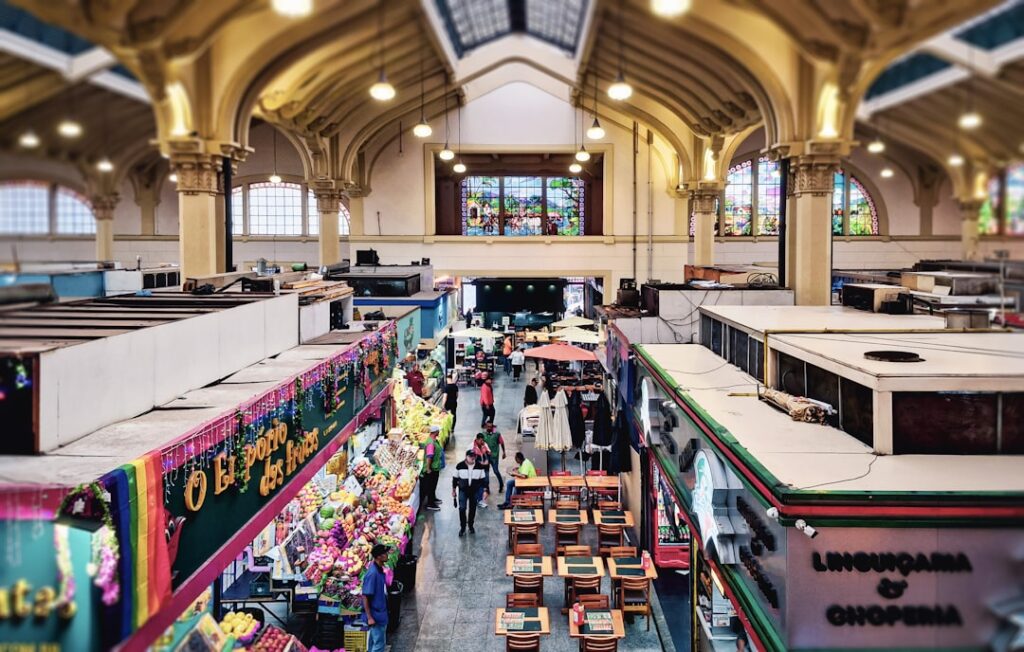
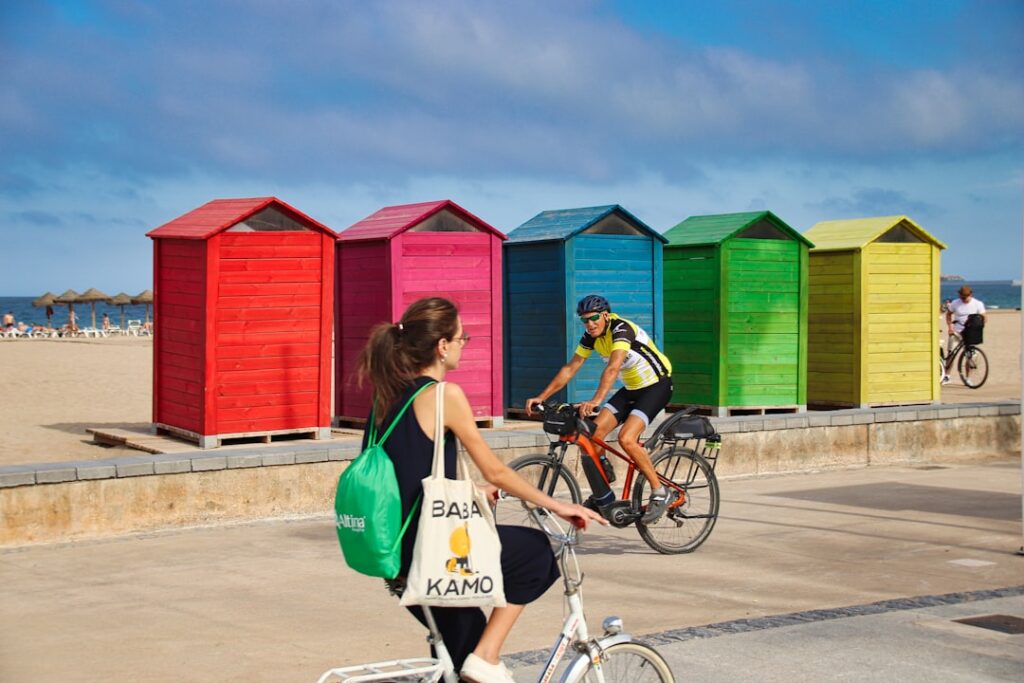
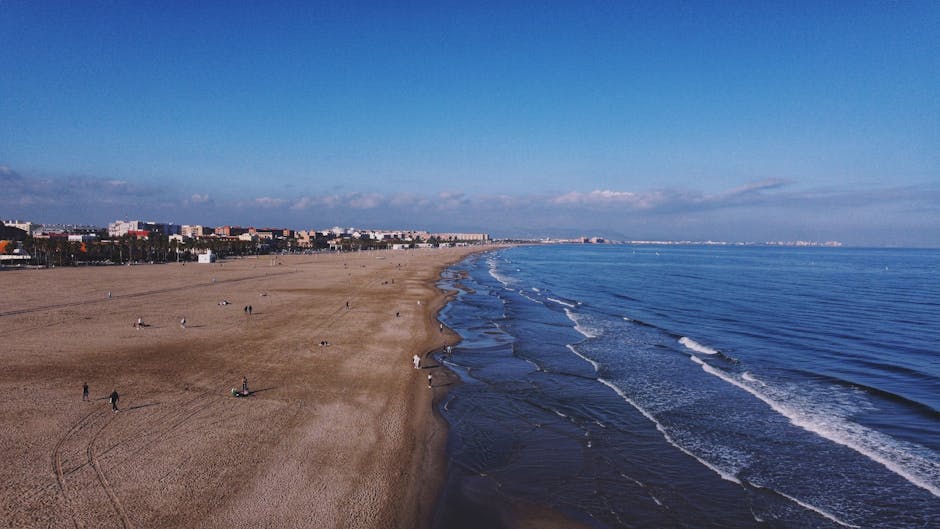
Early autumn — Advantages: the sea is still warm (especially in September), great beach weather and a friendly climate for outdoor events like open-air concerts. Enjoy Malvarrosa Beach (Passeig de Neptú, 28, 46011 Valencia): a promenade lined with cafés and chiringuitos, swimming is often possible through October when water temperatures stay around 22–25 °C. Beaches are open all day; water activities (paddleboarding, kayak rental) typically cost €10–€25/hour depending on the provider.
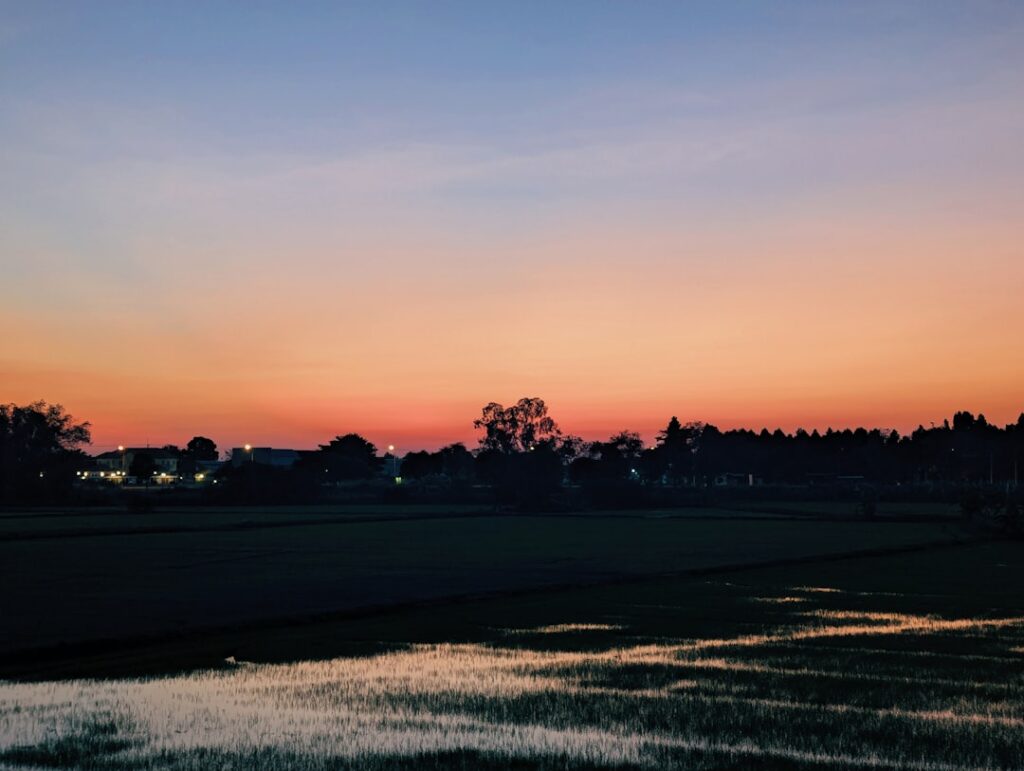
During sunny periods, plan visits for early morning (before 11:00) or late afternoon (after 17:00) to avoid the hottest hours. For a memorable sunset, book a boat trip on the Albufera (El Palmar, Parc Natural de l’Albufera): El Palmar village is the usual meeting point, embarkation spots vary — traditional boat rides cost about €3–€10 per person, often available in the evening; reserve in advance through local contacts or on-site agencies when possible.
When to prioritize cool weather: late autumn and winter for museums, city walks and markets
If you prefer cooler conditions for intense sightseeing, cultural discovery and stress-free culinary explorations, choose late autumn (November) and winter (December–February). These months often bring clear days, soft light for photography and gentler accommodation rates.
Visiting museums without summer heat is a real plus: the Museu de les Ciències Príncipe Felipe (Av. del Professor López Piñero, 1, 46013 Valencia) generally runs from 10:00 to 19:00 with adult tickets around €8–€15; the Oceanogràfic (Carrer d’Eduardo Primo Yúfera, 1B, 46013 Valencia), the largest aquarium in Europe located in the Ciudad de las Artes, often opens from 10:00 to 18:00 (times vary by season); adult admission is about €31–€38, with discounts for children and seniors. Winter means fewer visitors: shorter lines and a more relaxed experience of the exhibits.
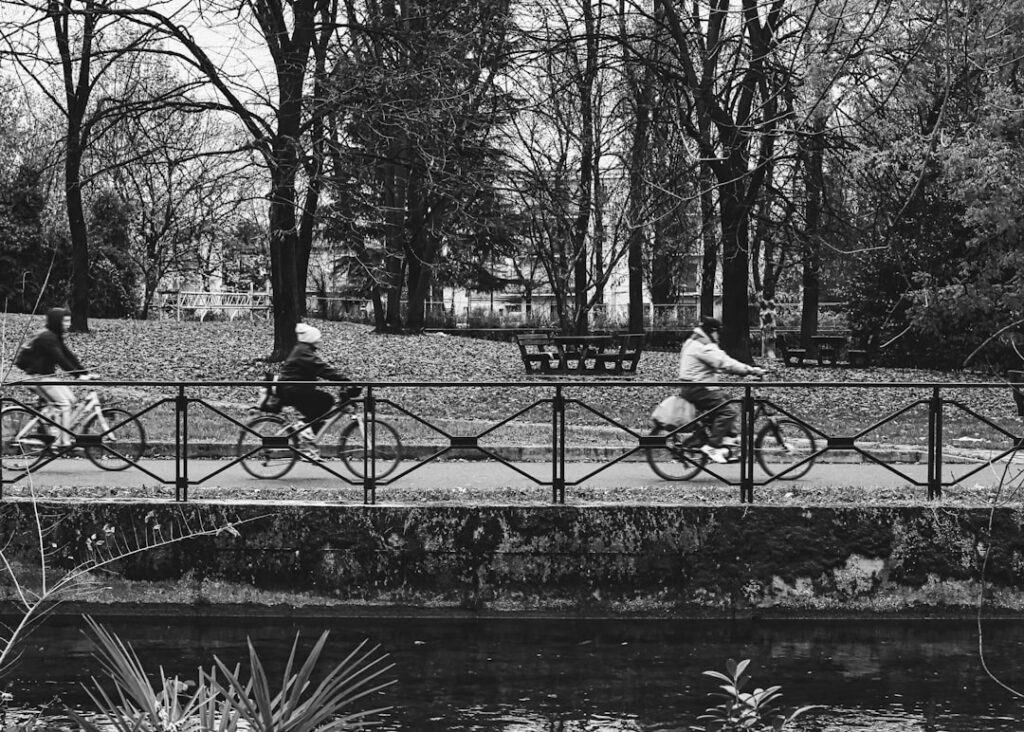
Cooler temperatures make city walks more enjoyable: a stroll through the Jardí del Túria (Turia Garden) offers miles of paths, shaded areas and playgrounds. Visit the Catedral de València — Catedral de Santa María (Plaça de l’Almoina, 5, 46003 Valencia) between 10:00 and 18:30; entrance and the climb up the Miguelete tower are around €8 for panoramic city views (times may change due to services and liturgical events).
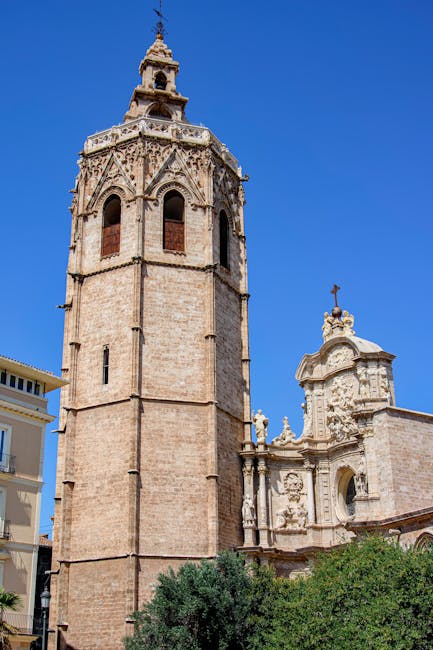
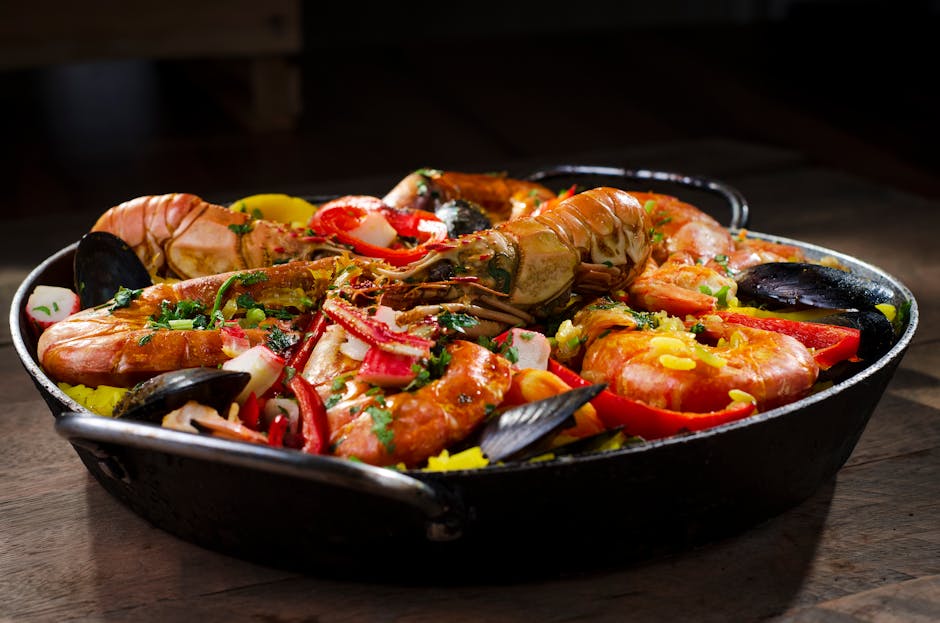
Practical tips for cooler weather: bring a windproof jacket and a light scarf — mornings can be noticeably chillier than midday. Use the cooler hours for hikes around nearby hills (Sierra Calderona), then warm up in a tapas bar in the Ruzafa neighborhood (Ruzafa, Carrer de Sueca and surrounding streets): tapas €2–€6 per portion, beer €2–€3. In November/December, don’t miss the Christmas markets and local gastronomy: a paella in El Palmar (for example Restaurant Casa Ángel, Calle de la Virgen del Carmen, El Palmar — paella dishes €12–€25 depending on size) is a convivial way to end a cool day.
Practical tips by activity: beach, museums, Albufera, food and transport
To make the most of the weather calendar, match activities to the time of year and note opening hours, prices and local specifics. Here are step-by-step practical recommendations:
- Beach and water sports: Malvarrosa (Passeig de Neptú, 28, 46011 Valencia) is the most accessible beach from the center. In summer lifeguard services typically run 10:00–19:00; sunbed rental €6–€12/day, umbrella €4–€10. Favor mornings or late afternoons to avoid extreme midday heat. For a quieter vibe, try Playa de la Patacona (Passeig Marítim de la Patacona, 46011).
- Museums and major sites: Ciudad de las Artes y las Ciencias (Av. del Professor López Piñero, 7) groups museums and the aquarium — buy tickets online to skip queues. Oceanogràfic (Carrer d’Eduardo Primo Yúfera, 1B) has variable hours — check the official site before you go. The Cathedral (Plaça de l’Almoina, 5) opens early and is perfect for avoiding crowds.
- Albufera and nature: head to El Palmar for a sunset boat ride (tours €3–€10). Take the CV-500 from Valencia; there’s usually parking near the embarkation points. Bring a jacket for the evening even in summer.

- Food and markets: Mercado Central (Plaça Ciutat de Bruges, s/n) is open 07:30–15:00 Monday to Saturday — perfect for fresh local produce. Historic restaurants: Casa Montaña (Carrer de Josep Benlliure, 69, 46011 Valencia) — tapas €3–€8, open 13:00–16:00 and 20:00–00:00. For an authentic paella, head to El Palmar (book ahead on weekends).
- Transport: EMT buses and the metro form a dense network; a single ticket in 2026 is about €1.50–€1.70 depending on zone, with multi-ride cards and passes available. The tourist bus and the city bike service (Valenbisi) are handy for short trips. For day trips outside the city (Sierra Calderona, Albufera), renting a car can be more flexible: daily rates roughly €30–€60 depending on season and vehicle.
Conclusion — Choose Valencia by weather and wishes: summary and final recommendations
Valencia is a multifaceted destination: abundant sunshine, welcoming beaches, rich cultural heritage and natural spaces within easy reach. The best time to go depends on what you prioritize. If your trip is focused on the beach, terraces and a sunny vibe without the peak-season crush, favor spring (April–May) or early autumn (September–early October). For deep cultural visits, museums and a calmer, cooler atmosphere, opt for late autumn and winter. Each season has its strengths — mild winters let you explore without crowds, while the shoulder seasons offer a nearly perfect balance of thermal comfort and activities.
Before you leave, keep these practical tips in mind: check opening hours and prices online (the times in this guide are typical but can vary with season and events), book major activities (Oceanogràfic, a paella in El Palmar, boat trips) in periods of high demand, and pack for diurnal variations: a light jacket plus swimwear are both essential. Visit markets like Mercado Central to taste local products, climb the Miguelete at the Catedral de Santa María for an unforgettable view, and finish your days with an Albufera sunset for a truly Valencian experience.
In short, plan around your priority — sun or cool — and Valencia will reward you with memorable experiences, delicious flavors, modern architecture and preserved nature. Have a great trip and use Valencia’s weather calendar to shape the visit that fits you best!