



Introduction: Schengen Visa and Valencia — framework, stakes and practical overview
Valencia (Valencia in Spanish), a Mediterranean gem on Spain’s southeast coast, draws millions of visitors every year for its mild climate, its cuisine — notably paella — and landmarks like the Ciudad de las Artes y las Ciencias. But before you sip fresh horchata or wander the Mercado Central, many travelers have an administrative hurdle to clear: obtaining the correct Schengen visa to enter Spain and stay in Valencia. This guide is a practical, comprehensive, up-to-date handbook (procedures, documents, addresses, fees in euros, opening hours, local tips) for travelers who want to know whether they need a Schengen visa, which type to apply for, how to build a strong application, and where to carry out the steps in Valencia or from abroad.
The short-stay Schengen visa (type C) allows stays of up to 90 days in any 180-day period across the Schengen area, including Spain. But whether you need a visa depends on your nationality, the purpose of your trip (tourism, visiting family, business, short studies, airport transit, medical treatment) and sometimes other factors like your residency status in a third country. This guide examines which traveler profiles need a visa for Valencia and who’s exempt: citizens of the European Union and European Economic Area, holders of a valid residence permit issued by a Schengen State, certain diplomatic passport holders, and so on.
Beyond the list of eligible countries, it’s essential to understand the practical procedure: book an appointment at the consulate or Visa Application Center (VAC), gather supporting documents — passport, biometric photos, travel insurance, proof of accommodation and financial means — pay the fees (usually €80 for an adult), and know where to submit your file and retrieve your passport. If you need to handle these matters from within Valencia itself (for example, to extend a stay, apply for a residence document, or get administrative information on arrival), there are local offices such as the Dirección General de Migraciones, the Oficina de Extranjería, and municipal tourist information desks.
This guide includes practical addresses in Valencia: airports, train stations, town halls, Mercado Central, tourist offices and a few useful contact points for administrative procedures. You’ll find concrete information on current costs, usual opening hours, immersive descriptions of the places and local tips — for example, how to get from Valencia Airport terminal to the Ciudad de las Artes y las Ciencias, or how to present a clean, convincing file to a consular officer. We also include practical advice in case of refusal, expected waiting times, appeals and recommended travel insurance.
Before diving into step-by-step procedures, note this: visa rules can change. Always check the official website of the Spanish embassy or consulate responsible for your place of residence, or the European Commission’s official visa portal, for the latest information. In this guide we provide physical addresses and indicative opening hours, standard prices (in euros), and concrete examples to help you prepare your stay in Valencia.

Who needs a Schengen visa to go to Valencia? Criteria by nationality and situation
The basic rule is simple: anyone who is not a national of a country exempt from Schengen visas and who does not hold a valid residence permit issued by a Schengen State must apply for a Schengen visa before entering Spain. But the reality is more nuanced: exemption depends on nationality, type of passport (ordinary, diplomatic, service), and sometimes the purpose and length of the stay. Here are the main categories to consider and the practical implications before planning a trip to Valencia.
- Citizens of the European Union (EU), the European Economic Area (EEA) and Switzerland: no visa is required to enter, reside or work. They can enter Valencia with a national ID card or a valid passport.
- Holders of a valid residence permit in a Schengen State: if you hold a residence permit issued by a Schengen country, you can travel to Valencia without a visa for short stays (up to 90 days). Keep your residence permit and a valid passport with you.
- Visa-exempt nationalities: certain countries (United States, Canada, Japan, Australia, etc.) are exempt from visa requirements for tourism or business stays up to 90 days. Check the official list. Even without a visa, it’s advisable to have a return ticket, proof of accommodation and insurance.
- Nationalities subject to a visa: passport holders from countries such as Algeria, Morocco, India, China, most African countries and many Asian countries must apply for a Schengen visa before arrival.
- Airport transit: for transit without entering the Schengen area, some travelers need an airport transit visa (type A). Others are exempt depending on their nationality or residency status in certain countries.
- Purpose of the stay: tourism, private visits, short business trips, participation in fairs, short studies under 90 days or medical treatment are covered by the short-stay Schengen visa. For longer stays (higher education, work), a national Spanish visa (type D) is required, with different procedures.
Practical tip: before booking anything, check whether you need a visa. A non-refundable hotel reservation or a one-way ticket without the necessary visa can result in denied boarding. Consult the official website of the Spanish Ministry of Foreign Affairs, the Spanish consulate responsible for your country of residence, or the European Commission’s visa-info portal.
How to obtain a Schengen visa for Valencia: documents, steps, processing times and costs
Once you’ve confirmed you need a Schengen visa, the standard procedure includes preparing a complete file, booking an appointment, submitting your application in person at the consulate or VAC (Visa Application Center), providing biometric data, paying the fees, and waiting for a decision. Here’s the step-by-step process in detail, with required documents, typical timelines and usual fees in euros.
General steps
- 1. Determine the competent consulate: you must submit the application to the Spanish consulate or the authorised visa centre that has jurisdiction for your place of residence (usually the Spanish consulate or an external centre like BLS International or VFS Global depending on local agreements). Check the consulate’s official site for addresses and local procedures.
- 2. Book an appointment: most consulates require an online or phone reservation. Slots fill up during high season; plan 4 to 8 weeks in advance if possible.
- 3. Prepare the file: gather the requested documents (see next section). Official translations and apostilles may be required for some official documents.
- 4. Attend the appointment: bring originals and copies. Biometric data (digital photo and fingerprints) are required for most applicants aged 12 to 71, unless exempt.
- 5. Pay the fees: pay the visa fee and, if applicable, the VAC service fee which varies by country.
- 6. Wait for the decision: standard decision time is 15 calendar days, which can extend to 30 or 60 days if additional checks are needed.
- 7. Collect your passport: either the consulate returns it by registered post or you pick it up at the centre where you submitted your application.
Commonly required documents (checklist)
- Passport valid for at least 3 months after the planned exit date from the Schengen area, with at least two blank pages.
- Completed and signed Schengen visa application form (official consulate form).
- Recent ID photographs, size 35 x 45 mm, light background, eyes uncovered.
- Proof of travel insurance covering at least €30,000 for repatriation and medical expenses, valid throughout the Schengen area for the duration of the stay.
- Proof of accommodation: hotel reservations (e.g. Hotel Las Arenas Balneario Resort, Paseo de Neptuno, 6, 46011 Valencia) or an invitation letter from a host with a copy of their DNI/passport and proof of residence.
- Proof of financial means: bank statements for the last 3–6 months, employment letters, pay slips. The required amount varies by consulate and duration of stay; a practical rule is to demonstrate the equivalent of at least €60–100 per day as credible proof.
- Return ticket or verifiable itinerary.
- Cover letter or detailed itinerary if needed (for business trips: company invitation letter, etc.).
- Parental authorization for minors travelling alone or with one parent.
Consulates may request additional documents depending on your profile (tax returns, employment contract, school certificate). Official translations or apostilles may be required for certain civil documents. If in doubt, request the exact list on the website of the Spanish consulate responsible for your area.
Costs and timelines (reference)
- Standard short-stay visa fee (type C): €80 for adults (indicative rate for 2024/2025). Some consulates apply reduced rates: €40 for children aged 6 to 12, free for children under 6.
- VAC service fees (e.g. BLS or VFS): vary by country, typically €20–35 extra for the service; appointment handling or postal return fees between €5–20.
- Standard processing time: 15 calendar days. Practically, allow 3 to 6 weeks depending on season and consulate workload.
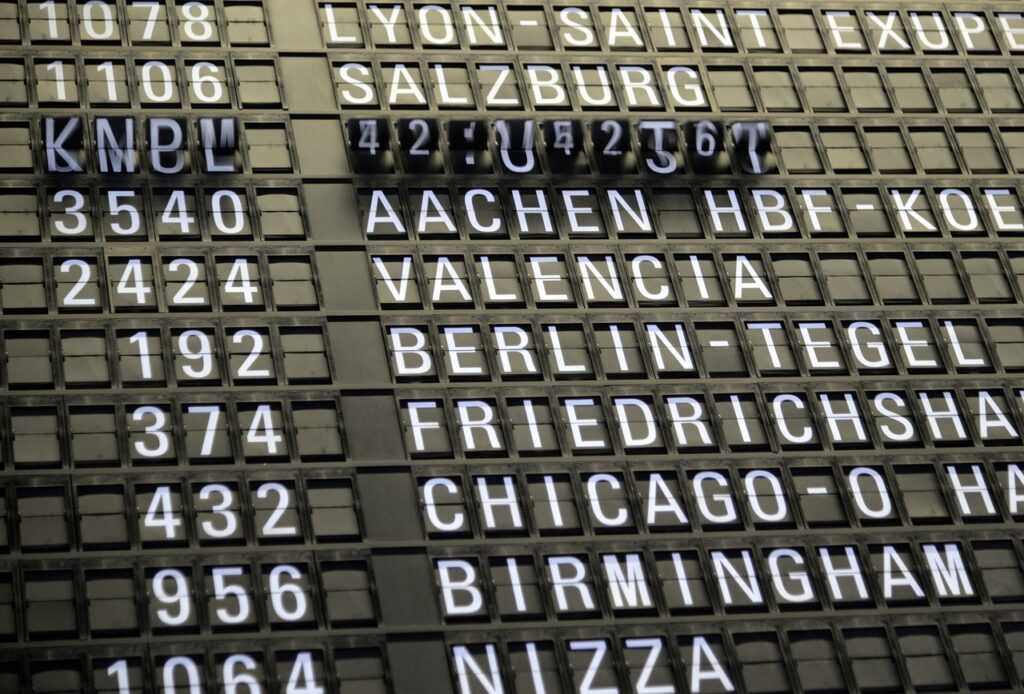
Where to carry out procedures from abroad and in Valencia: useful addresses, local offices and practical tips
If you’re already in Valencia and need administrative help (for example information on stay, regularisation procedures, applying for an ID card for EU nationals or consular assistance), there are several local contact points to know. Similarly, if you are planning from abroad, it’s useful to know the nearest consulates and centers where you can submit a visa application for Spain. Here is a selection of addresses and practical information for Valencia and the surrounding area, with time-saving tips.
Addresses and points of interest in Valencia (useful for travelers)
- Valencia Airport (Aeropuerto de Valencia – Manises)
Address: Avenida del Aeropuerto s/n, 46940 Manises, Valencia, Spain.
Opening hours: Open 24/7 for flight operations; airline counters vary with flight times. Bus and metro services Tórres de Quart/MetroBuss available. Taxi to the city centre about €20–25 (depending on luggage and time).
Description: modern terminal serving many European routes; security checks and customs before the Schengen area. A common departure point for travelers who need to reach Madrid or Barcelona to submit a consular file if required. - Estación Joaquín Sorolla (high-speed train station)
Address: Calle de Menéndez Pelayo, s/n, 46007 Valencia, Spain.
Opening hours: ticket office generally 06:00–22:00; multiple AVE trains to Madrid, Barcelona, Seville. Combining plane + train is handy for intercity connections. Taxis are available outside; EMT city buses serve the area.
Description: modern station for fast connections; practical if you must travel to another city for a consular appointment (e.g. Madrid). - Ayuntamiento de Valencia (City Hall)
Address: Plaza del Ayuntamiento, 1, 46002 Valencia, Spain.
Opening hours: 09:00–14:00 Monday to Friday (services may vary).
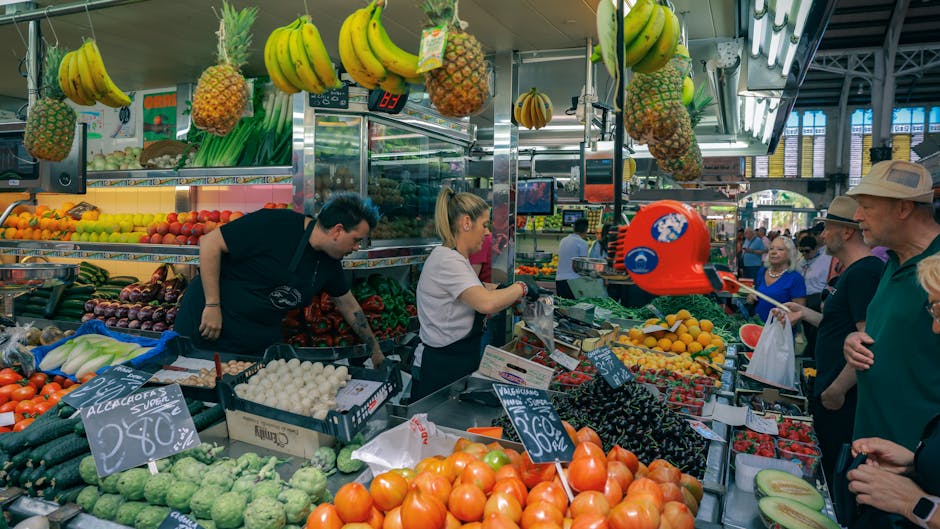
Description: tourist information point and municipal services; useful for local registration information or emergency services. - Mercado Central de Valencia
Address: Plaça de la Ciutat de Bruges, s/n, 46001 Valencia, Spain.
Opening hours: generally 07:00–15:00; some stalls open later or close earlier.
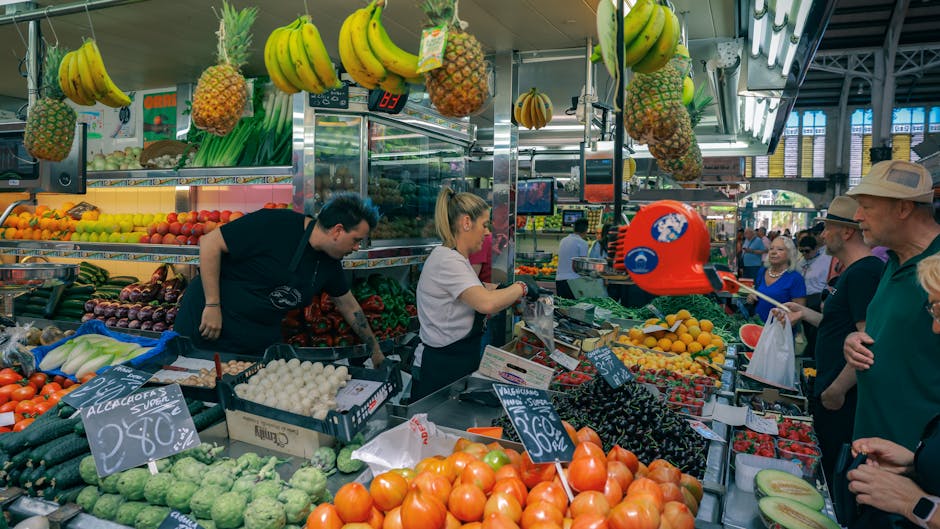
Description: historic covered market, ideal for food shopping after arrival; a great place to relax after administrative procedures.
For consular and visa procedures from abroad, you will submit your file at a Spanish consulate or via a VAC. Common examples:
- In many countries, BLS International is the contracted provider for collecting visa applications for Spain. Check the Spanish consulate’s official website to find the exact centre and address.
- In France, there are centres in Paris, Lyon, Marseille, etc. (addresses to check on the Spanish consulate in France website).
- If you are in a country without Spanish representation, you may need to go to the embassy or consulate of another Schengen state that represents Spain for visa applications (rare but possible). Always verify before booking an appointment.
Practical tips, special situations and what to do in case of refusal
Even with a carefully prepared file, refusals can happen. Understanding the reasons for refusal, knowing your rights and the available remedies is essential. This section offers concrete tips to maximise your chances of obtaining a visa, handle special cases (travel with a minor, business travel, transit, extensions), and what to do in case of refusal or loss of documents while travelling.
Tips for building a solid application
- Start early: begin procedures several weeks before your planned departure, ideally 6–8 weeks. Peak seasons (spring/summer, holidays) lengthen processing times.
- Complete, neat and legible file: provide clear copies, originals and translations if necessary. Organise documents by sections (identity, financial proof, insurance, accommodation, invitation letter).
- Proof of ties to your country of residence: stable employment, property, family, studies — these elements convince the consulate that you will return after your stay.
- Adequate travel insurance: policy covering at least €30,000, with clear insurer contact details. Indicative cost: €15–50 for a short period depending on age and country of origin.
- Respect biometric requirements: if you have fingerprints recorded in the last 59 months by another Schengen state, they can be reused; otherwise plan to provide fingerprints.
Special cases
- Minors travelling alone: signed and legalised parental authorisation as required; copies of parents’ identity documents; additional papers proving guardianship if applicable.
- Business travel: invitation letter from the inviting company with contact details, purpose of the visit, coverage of expenses if applicable, and proof of the applicant’s employment.
- Airport transit: check whether you need a transit visa (A) or whether you are exempt depending on your nationality and transit terminal.
- Extension of stay: in Spain, visa extensions are exceptional and justified by humanitarian reasons, medical treatment or force majeure. Contact the Oficina de Extranjería nearest you (local offices in Valencia) for specific procedures.
What to do in case of refusal
- Read the refusal letter: it explains the reasons. Common errors: missing documents, insufficient financial proof, inconsistencies in the travel story.
- Administrative appeal: you can file an administrative appeal with the consulate or bring a contentious appeal (judicial review) within the deadline indicated in the notification (usually 1 to 2 months). Consult an immigration lawyer if necessary.
- Reassessment and new application: correct the issues mentioned and submit a new application. Sometimes providing additional documents (employer letter, proof of recent funds) is enough.
Local tip: in Valencia, for practical help on arrival (lost passport, consular assistance, emergency), contact your country’s embassy or consulate responsible for Spain. The Ayuntamiento de Valencia (Plaza del Ayuntamiento, 1, 46002) also has an information office for foreigners (opening hours vary) that can point you to social services or translators if needed.
[[IMAGE:Tourist at Valencia city hall Plaza del Ayuntamiento with fountain]]
Conclusion: preparing your trip to Valencia with peace of mind — steps, foresight and local immersion
Travelling to Valencia, whether for a few days of sightseeing, a short business trip or a family visit, is a rewarding experience. However, peace of mind starts well before boarding: by checking whether you need a Schengen visa, assembling a clear and complete file, booking your appointment early with the responsible consulate or visa centre, and strictly following document requirements. The basic rules — valid passport, travel insurance covering €30,000, proof of accommodation and financial means, signed form, compliant photos — are universal. But every case is unique, so it’s important to consult the official website of the Spanish consulate with jurisdiction over your residence, or contact an authorised VAC for the exact list and local opening hours.
In Valencia you’ll also find the infrastructure to start or finish your stay: Valencia Airport (Avenida del Aeropuerto s/n, 46940 Manises) for flights, Joaquín Sorolla station (Calle de Menéndez Pelayo, s/n, 46007 Valencia) for high-speed domestic links, Plaza del Ayuntamiento (1, 46002) as the administrative and tourist hub, and Mercado Central (Plaça de la Ciutat de Bruges, s/n, 46001) to soak up the local atmosphere. Plan downtime too: the Ciudad de las Artes y las Ciencias (Av. del Professor López Piñero, 7, 46013 Valencia) offers a unique architectural experience, while the Malvarrosa beaches are perfect for unwinding after paperwork.
Finally, a few practical recommendations: keep digital and paper copies of all your documents; leave a copy of your passport and visa with a trusted person; take out travel insurance covering repatriation and medical expenses; and if you face a refusal, read the notice carefully and consider an appeal or a new application correcting the gaps. With careful preparation, administrative steps become a prerequisite rather than an obstacle — allowing you to fully enjoy Valencia’s cultural, culinary and medical riches. Buen viaje — and may your stay in Valencia be safe, enjoyable and memorable.