



Introduction — Why pick the “best month” to visit Valencia?
Valencia, Spain’s third-largest city, is a place of striking contrasts: Mediterranean beaches, a Gothic and Baroque historic center, cutting-edge modernism at the Ciutat de les Arts i les Ciències, and a food scene that revolves around the iconic paella. Choosing the “best month” to visit Valencia depends entirely on what you want: mild temperatures, smaller crowds, cultural events, accommodation prices, or comfortable sea swimming. The city makes a strong case almost year-round, but each season has its pros and cons. In this in-depth guide we break down the year — more by season than strictly by month — looking at weather, major events, visitor levels, prices and the best activities. The goal: help you decide, with all the facts, when to unpack your suitcase in València.
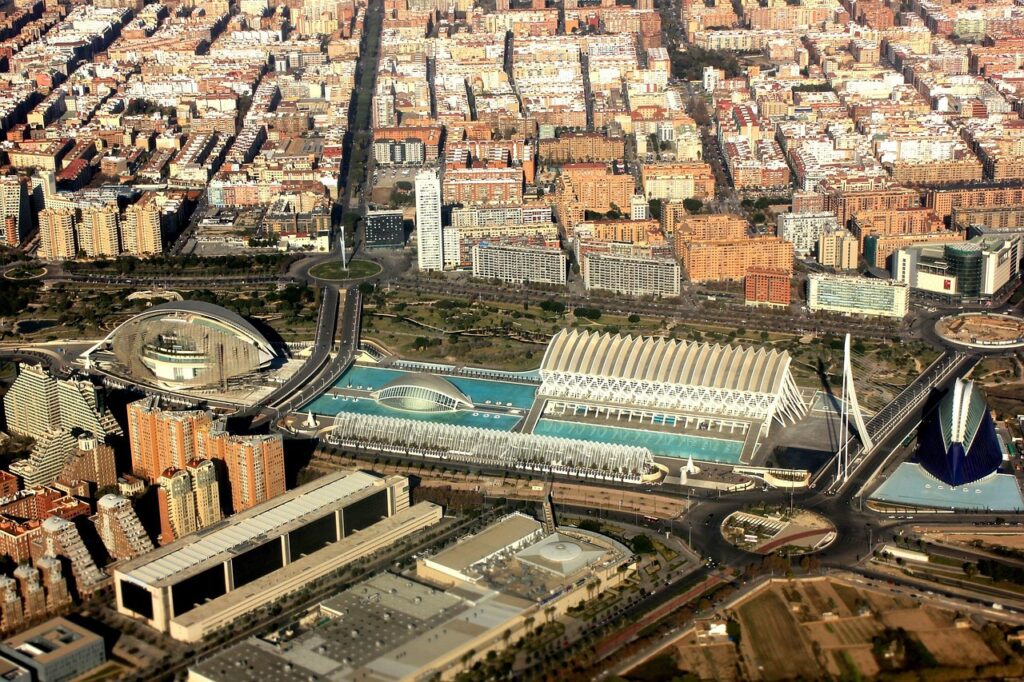
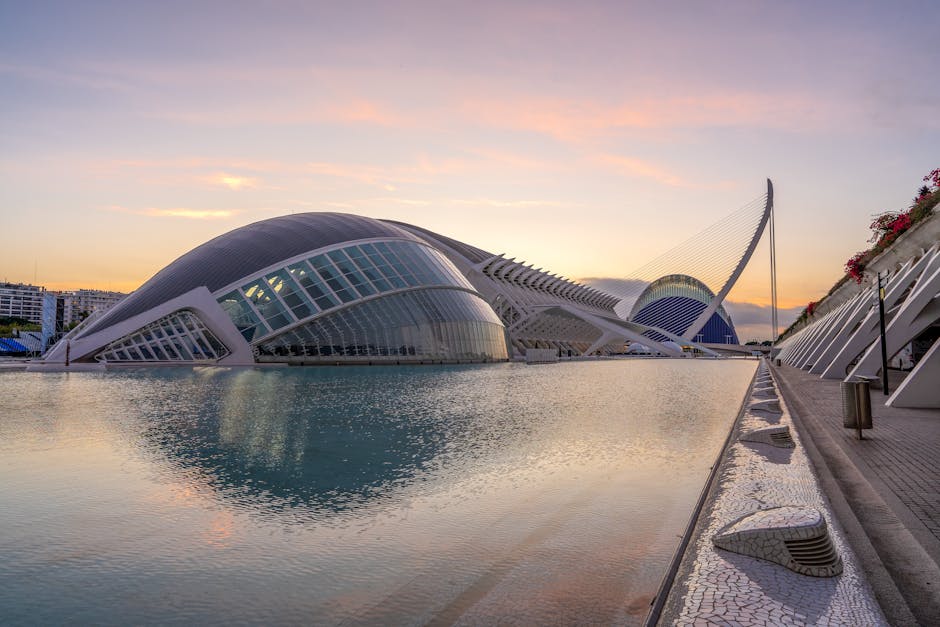
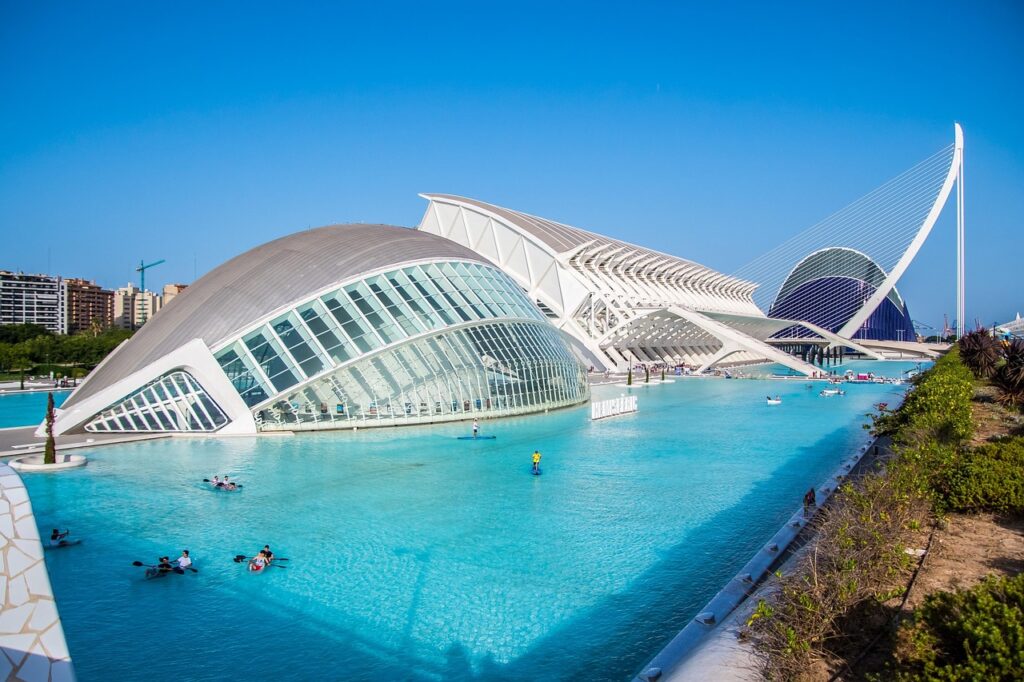
We’ll also include practical, on-the-ground details: full names of must-see spots, exact addresses, typical opening hours, indicative prices in euros, and local tips to make the most of each period. You’ll find recommendations for beach lovers (Playa de la Malvarrosa), architecture fans (Ciudad de las Artes y las Ciencias / Ciutat de les Arts i les Ciències), foodies (Mercado Central), walkers (Jardí del Túria) and anyone wanting to experience the city’s traditional festivals (Las Fallas in March).
To be concrete right away: Valencia offers an excellent balance between mild weather and activities in April through June, and again in September. Those months avoid extreme heat and the heavy summer crowds while still allowing for sea swimming, terraces and cultural sites. But they’re not the only good options: March is outstanding for Las Fallas (if you enjoy spectacular local festivals), summer is perfect for beach lovers and late-night programming, and winter appeals to visitors seeking a quieter — and usually cheaper — experience.
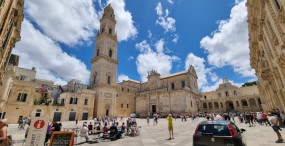
In the sections that follow we examine spring, summer, autumn and winter in Valencia, with practical pointers for the main places to visit: Ciutat de les Arts i les Ciències (Av. Professor López Piñero, 7, 46013 València), L’Oceanogràfic (Av. Eduardo Primo Yúfera, 1B, 46013 València), La Lonja de la Seda de Valencia (Carrer de la Llotja, 2, 46001 València), Mercado Central (Plaça Ciutat de Bruges, s/n, 46001 València), Catedral de València (Plaça de l’Almoina, 46003 València), Playa de la Malvarrosa (Passeig de Neptú, s/n, 46011 València) and L’Albufera (Parc Natural de l’Albufera, Av. de la Albufera, 46012 Valencia / El Palmar for boat trips). The price and opening-hour indications are typical references: check online before you travel, especially in high season or during special events.
Spring (March to May) — The best compromise for weather, events and sightseeing
Spring is often cited as the best time to visit Valencia. From March to May the city wakes up after winter: temperatures rise, nature turns green again in the Jardí del Túria, and the sea becomes pleasant for locals. This period combines mild weather, longer days and a rich cultural offer. Below is a month-by-month look and practical tips to make the most of spring.
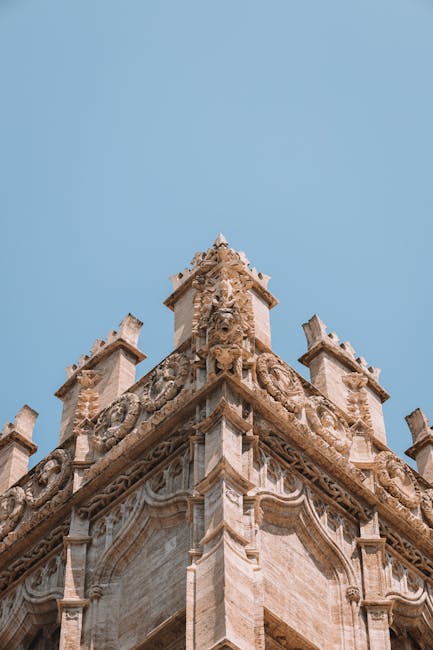
March: March is famous in Valencia for Las Fallas, the city’s signature festival (typically March 15–19, with build-up events the week before). If you want a spectacular experience — parades, giant papier-mâché monuments (ninots), the loud pyrotechnic performances known as mascletà and the dramatic final burning (La Cremà) — March is your month. Downsides: heavy crowds, higher hotel prices and busy sites. Practical tips: book accommodation and tickets months in advance. During Las Fallas many businesses open late and public transport increases service. If you plan to visit places like La Lonja de la Seda de Valencia (Carrer de la Llotja, 2, 46001 València) expect queues. La Lonja is typically open from 10:00 to 14:00 and 15:30 to 19:00 (hours vary); indicative admission: €2.00–€3.00.
April: April marks the true start of spring. Average temperatures range from about 12 °C at night to 21 °C during the day. Rain is possible but usually short-lived. It’s an excellent month to combine cultural visits with seaside walks without the summer crowds. Recommendations: stroll through the historic center, visit the Catedral de València (Plaça de l’Almoina, 46003 València; typically open 10:00–19:00; combined ticket Torre del Miguelete + Museum €8.00–€10.00) and climb the Miguelete for a view over the old town. Take time to lunch at Mercado Central (Plaça Ciutat de Bruges, s/n, 46001 València), generally open 07:30–15:00; entry is free and food prices vary (tapas from around €3–5).
May: May often sits in one of the ideal windows. Temperatures are pleasant (averages 16–24 °C), the sea becomes tolerable for a quick swim (water temperature often around 18–20 °C), and cultural offerings are in full swing. Hotel rates are still reasonable compared to July–August. The Ciutat de les Arts i les Ciències (Av. Professor López Piñero, 7, 46013 València) is especially pleasant in May: the Museu de les Ciències Príncipe Felipe (typical hours 10:00–19:00; adult ticket around €8–9) and L’Oceanogràfic (variable hours, often 10:00–18:00; adult ticket ~€36.90) see growing but manageable crowds. Local tip: buy skip-the-line tickets online and visit early in the morning to avoid school groups and coach tours.
Practical tips for spring:
- Accommodation: book ahead for March (Las Fallas). In April–May you can still find deals, but areas like Ciutat Vella and Ruzafa fill up quickly on weekends.
- Transport: metro and trams run regularly; a València metro card or EMT pass is handy for multiple days. EMT bus line 19 serves Malvarrosa beach (check EMT Valencia for schedules).
- Outdoor activities: bike rides in the Jardí del Túria (bike rentals e.g. Conector Ciclo, multiple pickup points in the city); a trip to Parc Natural de l’Albufera for sunset and a boat ride from El Palmar (boats from about €8–12 depending on duration).
Summer (June to August) — Sun, beaches and heat: who it’s for and when
Summer turns Valencia into a highly sought-after beach destination. July and August record the highest temperatures — 30 °C and above on some days — and humidity can make the heat feel heavier. Still, these months are ideal for beach lovers, nightlife fans and outdoor summer events. Here’s a closer look at summer’s strengths and weaknesses, plus practical tips to enjoy it.
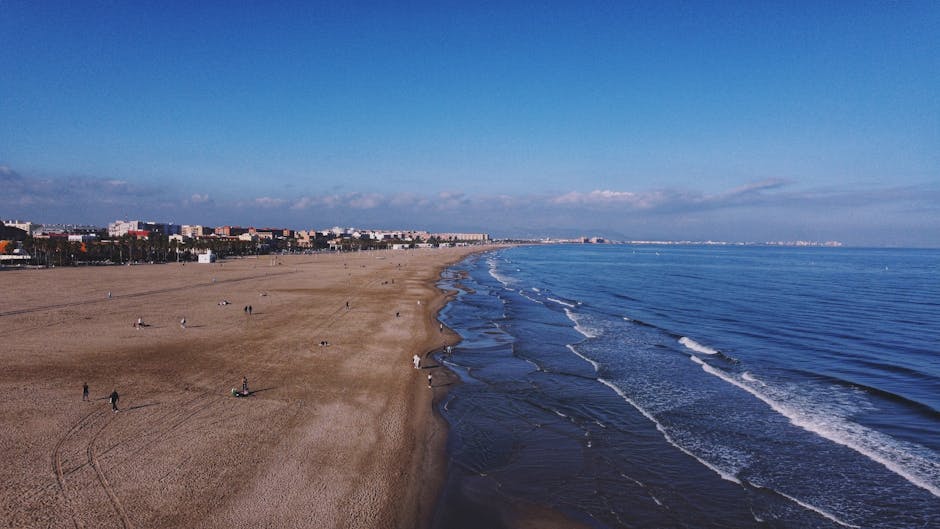
Beaches and coastline: Playa de la Malvarrosa (Passeig de Neptú, s/n, 46011 València) and Playa de las Arenas offer golden sand, a promenade lined with restaurants and chiringuitos. Access is free; sunbeds and umbrellas are available for rent (high season: sunbed ~€6–10/day, umbrella ~€5–8). Early morning and evening are the best times to avoid peak heat. Suggested swim hours: 08:00–11:00 and 18:00–21:00 depending on temperature. Beaches have public showers and lifeguard posts (usually on duty 10:00–20:00 in July–August).
Sightseeing and cultural sites: in summer, places like the Ciutat de les Arts i les Ciències are very busy but remain doable with good planning. L’Oceanogràfic (Av. Eduardo Primo Yúfera, 1B, 46013 València) is a comfortable afternoon refuge thanks to its large air-conditioned indoor spaces; opening hours often run from 10:00 to 22:00 depending on evening events, adult ticket about €36.90 if purchased online (reduced rates for children and seniors). The Museu de les Ciències frequently hosts temporary exhibitions and workshops for kids — great for hotter afternoons.
Nightlife vibe: Valencia comes alive at night in summer. Rooftop terraces in Ruzafa, music nights at the port and pop-up festivals energize the city. The Jardí del Túria gets busy at sunset: it’s the perfect spot for jogging, picnics and family outings around Gulliver Park. For dinner, beachfront restaurants are plentiful: for example, La Marcelina (Passeig de Neptú, 20, 46011 València) serves rice dishes and seafood (expect €15–25 per main). Tip: reserve your table in advance during July–August, especially on weekends.
Downsides and practical tips:
- Heat: seek shade and stay hydrated; many cafés and inner courtyards are air-conditioned.
- Crowds: hotels and flights are pricier; book early. Consider neighborhoods with better value like Campanar or Benimaclet.
- Costs: hotel rates often spike in July/August. Attraction tickets may sell at full price on the day — buy online when possible.
Autumn (September to November) — Late swims, harvests and food festivals
Autumn is another very pleasant time to visit Valencia. September often still feels “summery” with sea temperatures warm after the summer heat (sea 22–25 °C in early month), daytime highs around 24–28 °C and cooler evenings. It’s an excellent compromise between the end of high season and the return of cultural life.
September: for many, September is the best month for Valencia. The sea is at its most comfortable after summer’s heat accumulation — perfect for long swims. Beaches are less crowded once northern Europe’s schools are back, and accommodation rates gradually drop. It’s an ideal time to combine beach and culture: morning at the Ciutat de les Arts i les Ciències (Av. Professor López Piñero, 7, 46013 València), an afternoon at the Museo del Corpus Christi (if interested), and evenings in Ruzafa sampling tapas. September also sometimes hosts food festivals and local music events.
October: temperatures cool (average 15–22 °C) but remain very comfortable for strolling the historic center. It’s harvest and culinary season: many restaurants highlight rice dishes and local produce — a perfect moment to try authentic paella. Trips to L’Albufera (Parc Natural de l’Albufera, Av. de la Albufera, 46012 El Palmar/València) are especially beautiful: golden rice fields, boat rides at sunset (boat trips from El Palmar, indicative prices €8–12 per person, some private tours €25–40) and local restaurants like Restaurante Mateu (Camí de l’Albufera, s/n, El Palmar) offering traditional paellas from about €12–18.
November: cooler and sometimes rainy, November is suited to museum visits and wandering the historic neighborhoods. Hotel and flight prices are noticeably lower. Days are shorter, but the city’s heritage remains accessible: La Lonja, the Catedral, and the Museu de Belles Arts (Carrer de Sant Pius V, 9, 46010 València; typical hours 10:00–19:00; ticket ~€3–6).
Practical tips for autumn:
- Bookings: September is ideal for last-minute outdoor activities, but top restaurants often need advance reservations for weekend evenings.
- Clothing: bring a light jacket for October/November evenings and a compact umbrella for rainy days.
- Activities: wine- and food-focused excursions, Albufera trips; bike rides along the Jardí del Túria lanes; shopping at Colon Market Galleries (Pl. del Colón) where stores refresh their autumn stock.

Winter (December to February) — Quiet streets, good prices and local atmosphere
Winter in Valencia is mild compared with many European capitals: frosts are rare and sunny days are common. Average temperatures range from about 8 °C to 16 °C, which makes city sightseeing pleasant if you can handle cool mornings. Winter appeals to travelers looking for calm, affordable lodging and a more local vibe.
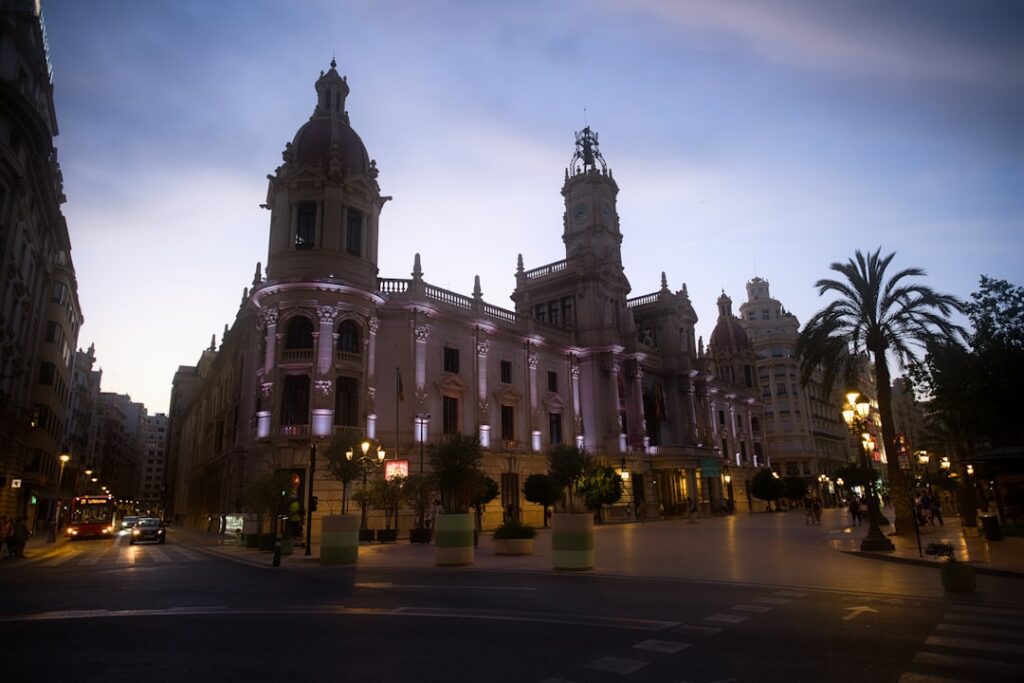
December: the Christmas season lights up the city with markets, festive lights and concerts. The historic center (Plaça de la Reina, Plaça de l’Ajuntament) buzzes, and local bakeries sell seasonal sweets. End-of-year sales appear in some shops. Hotel prices stay reasonable except around special events and public holidays. Museum and monument hours may be reduced on holidays (e.g., Dec 24–26). The Catedral de València (Plaça de l’Almoina, 46003 València) and the Miguelete remain must-sees (often open 10:00–18:00 in low season; combined ticket ~€8–10).
January and February: usually the quietest months. Museums are lightly visited and wandering the medieval lanes can feel almost intimate. Accommodation and flight prices often hit their lowest levels — a great chance to visit the Ciutat de les Arts i les Ciències without queues. In February the city starts low-key preparations for Las Fallas (mid-March), but most activities remain subdued. The sea is cold for most (12–15 °C), though seaside walks are pleasant on sunny days.
Practical tips for winter:
- Prices: take advantage of hotel and flight deals; compare fares and book last-minute if you’re flexible.
- Clothing: bring a warm coat, scarf and waterproof shoes for rainy days.
- Local experiences: enjoy winter stews, dishes using local citrus (Valencian oranges), and traditional restaurants in the Barrio del Carmen. Many bars serve hot broths and warm tapas to keep you cozy.
Conclusion — So what is the best month to visit Valencia?
After this seasonal analysis, it’s clear that the “best month” depends on your priorities. If you want an overall sweet spot — pleasant weather, manageable crowds, sea swimming and cultural activities — May and September (with a special shout-out to April) stand out as the most versatile. May offers gentle temperatures, long days and a lively city without the extreme summer crowds. September keeps the sea warm and most summer services running while offering lower visitor numbers and often better hotel rates than July–August.
If you’re drawn to intense cultural spectacles, March (Las Fallas) is one-of-a-kind, but be ready to book early and handle large crowds. Summer is perfect for beach and nightlife lovers, autumn charms with harvest colors and food festivals, and winter appeals to visitors seeking calm, good prices and an intimate local atmosphere.
Some final practical tips:
- Booking: for Las Fallas (mid-March) and the high summer season, plan accommodation and tickets several months ahead.
- Tickets and hours: for Ciutat de les Arts i les Ciències (Av. Professor López Piñero, 7, 46013 València), L’Oceanogràfic (Av. Eduardo Primo Yúfera, 1B, 46013 València) and the Museu de les Ciències, buy online for skip-the-line access and updated opening times (indicative prices: Oceanogràfic ~€36.90 adult; Museu de les Ciències ~€8–9 adult; Hemisfèric ~€8–10 depending on the session).
- Food: visit Mercado Central (Plaça Ciutat de Bruges, s/n, 46001 València) for fresh produce; taste an authentic paella in El Palmar or on port terraces (rice dishes €12–25 depending on quality and type).
- Transport: use metro and tram to reach the beach and the Ciutat de les Arts i les Ciències; EMT fares and the València metro network make getting around easy. For L’Albufera, consider a guided tour or a taxi from the center (€20–30 depending on origin).
In short: if you want a single answer, choose May and September. But remember every month in Valencia has its own magic: Las Fallas in March, the beach energy of summer, autumn’s harvests and flavors, and winter’s tranquillity. Whatever time you visit, Valencia will charm you with its mix of history, modernity, culinary culture and Mediterranean warmth.