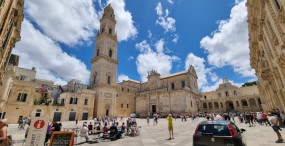




Introduction: why this guide to restaurant traps in Valencia is essential
Valencia is a city where food matters: paella, horchata, tapas, market produce and creative cooking rub shoulders in the alleys of the old town, along the seafront and in vibrant neighborhoods like Ruzafa or El Cabanyal. But that culinary richness also brings pitfalls: overly touristy restaurants, inflated prices, misleading menus and pushy sales tactics. This guide aims to give you the tools to spot those traps and choose a restaurant in Valencia with confidence, so you can enjoy fair value and an authentic experience.
As a visitor or short-term resident, it’s easy to be seduced by a terrace with a sea view or an eye-catching façade on the Plaza de la Reina. Appearances can be deceiving: a paella for €25 served where locals never eat, or a menu full of photos that hide the reality. Conversely, some low-key places away from the main tourist routes serve outstanding dishes at reasonable prices. In this guide we’ll break down the common types of traps, give concrete examples with names and addresses, indicate typical price ranges and opening hours, and offer local tips to avoid unpleasant surprises.
You’ll find immersive descriptions of iconic spots like the Mercado Central (Plaza Ciudad de Brujas, 46001 Valencia), the beach and Paseo Neptuno with the famous Restaurante La Pepica (Paseo de Neptuno, 6, 46011 Valencia), as well as historic tapas bars like Casa Montaña (Carrer de Josep Benlliure, 69, 46011 Valencia). We’ll list typical prices — for example, a paella portion for two between €25 and €45, a tapa between €2.50 and €6, a tasting menu at a fine-dining restaurant between €60 and €140 — and the usual kitchen hours (lunch typically 13:30–16:00, dinner 20:00–23:30, with some places staying open later).
Finally, this guide includes practical tips: how to read a menu to spot realistic prices, how to react to an overly insistent server, when and how to order a traditional paella, and where to go for an authentic horchata (Horchatería Santa Catalina, Plaza de Santa Catalina, 6, 46001 Valencia). It also gives concrete local recommendations for budget travelers and food lovers, plus quality alternatives across neighborhoods. Use this guide as a prevention map: it doesn’t aim to stigmatize the city — Valencia offers wonderful cuisine — but to help you enjoy it fully without unpleasant surprises.
Classic traps in the old town and how to avoid them (examples and addresses)
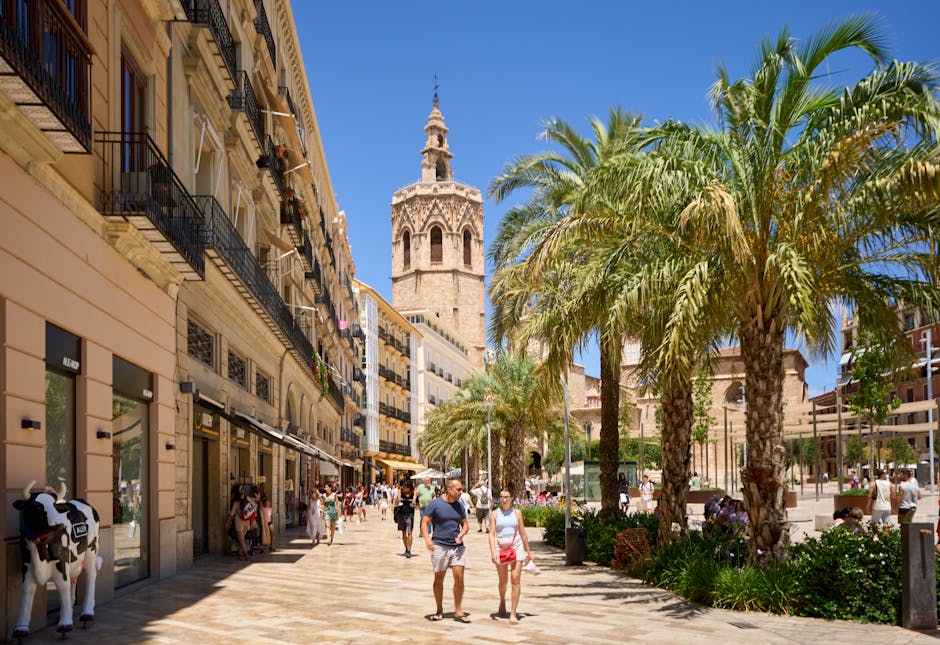
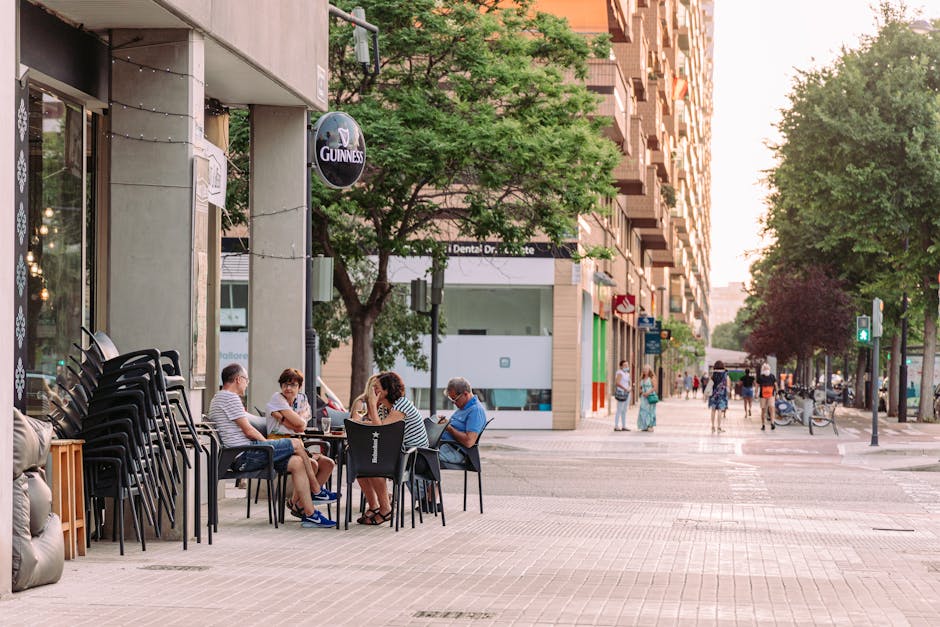
The historic center of Valencia is the most visited area by tourists. The zones around the Cathedral (Plaza de la Reina), Plaza de la Virgen and Mercado Central attract very visible restaurants that aren’t always honest. Common traps include terraces with marked-up prices, expensive “tourist” menus with small portions, and menus where the quality doesn’t match the price.
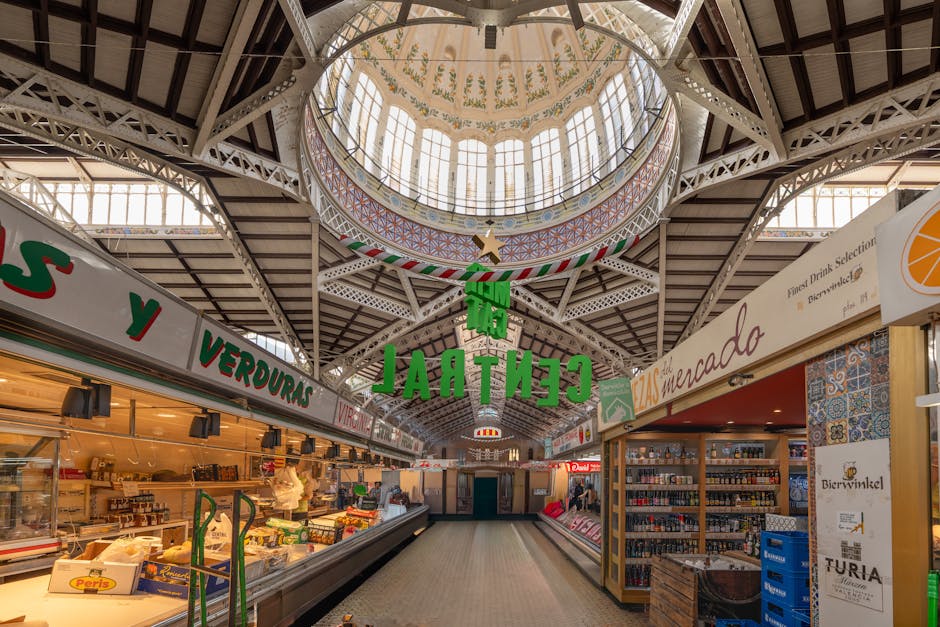
Concrete example: a restaurant with a terrace facing the Cathedral might offer a “homemade” paella for €25–35 per person. Often it’s a reheated or pre-prepared version. Instead of picking the nearest name, check who’s actually dining there: if it’s mostly tourists and no locals, be wary. Local rule: follow the Valencians. A good reference point is the Mercado Central (Plaza Ciudad de Brujas, 46001 Valencia) where you’ll find fresh produce and bars like the Central Bar (located inside the market) serving creative tapas from €3.50 and dishes €8–15 — usually open 08:00–18:00 depending on the day. There, quality is tied to market products and pricing is transparent.
- Pricing tip: a fair tapa is worth €2.50–6. Be skeptical of “tapas” priced €10–12 that look like a single starter but don’t justify the cost.
- Hours: many central restaurants open for lunch 13:30–16:00 and for dinner 20:00–23:30. If an establishment claims to be “open all day” and lures tourists from 11:00 with “paella all day,” ask how the paella is prepared (traditionally it takes time and care).
- Address to avoid if you want authenticity: any venue right on Plaza de la Reina can be suspect — it’s often better to move 2–3 streets away to find more authentic options.
The seafront and El Cabanyal: great scenery, good deals and bad choices
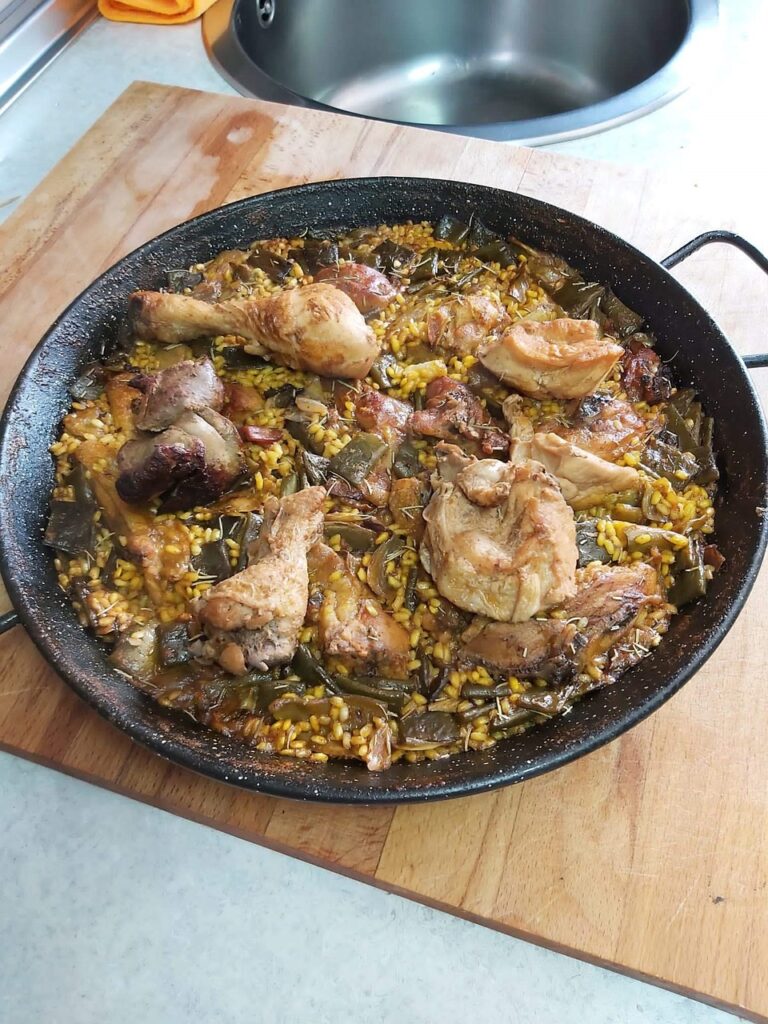
Paseo Neptuno and the El Cabanyal neighborhood form Valencia’s maritime front — a perfect setting for paella by the sea. Here the most common trap is the “paella show”: restaurants charging a premium for the view but serving industrial paella. On the other hand, historic houses like La Pepica (Paseo de Neptuno, 6, 46011 Valencia) — once frequented by Hemingway — still hold a reputation but can be pricey. At La Pepica expect mains from around €18 (simple grilled fish) to €30–45 for a quality paella for two; typical hours: 12:30–16:30 and 20:00–23:30.
El Cabanyal, the old fishermen’s quarter, offers more authentic and often cheaper options: local tapas bars where paella is traditionally prepared for lunch, and small family taverns. Beware of street vendors offering “paella for two for €20 all in”: a properly made paella — with rice, homemade broth, fresh ingredients and slow cooking — rarely costs less than €20 per person in a reputable restaurant.
- Local tip: for a traditional paella, always ask if it’s made to order and whether you need to reserve (most good places ask you to book the day before for paella the next day).
- Alternative example: look for fishermen’s restaurants on the old market street of El Cabanyal and compare prices: often €12–18 for a grilled fish dish is reasonable; paella for two €30–50 depending on ingredients.
- Warning: beware of “paella + drink” menus advertised at low prices outside — ask which ingredients are included (chicken, rabbit, seafood).
Markets, tapas bars and small spots: where to find the real deal and avoid tourist traps
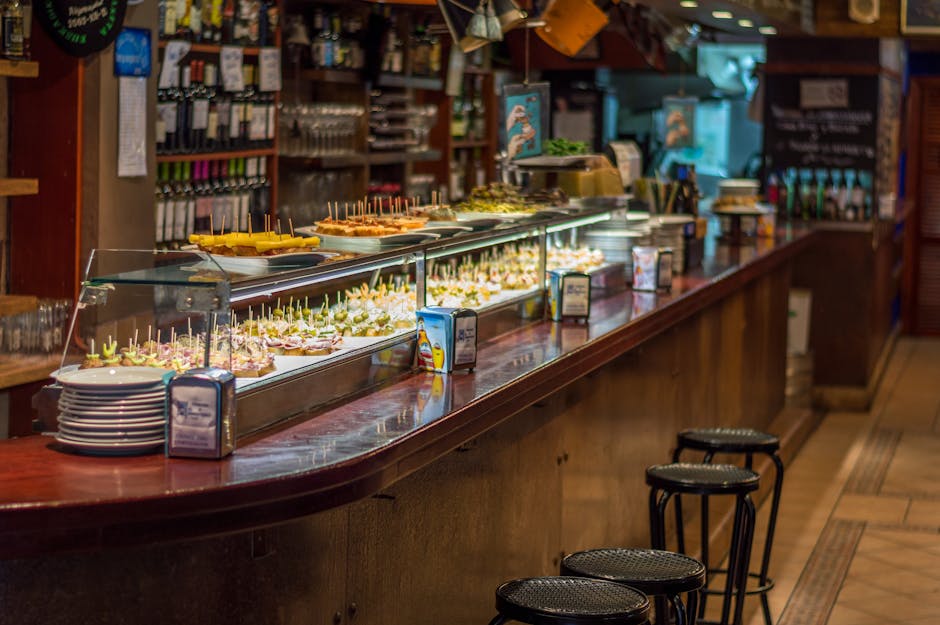
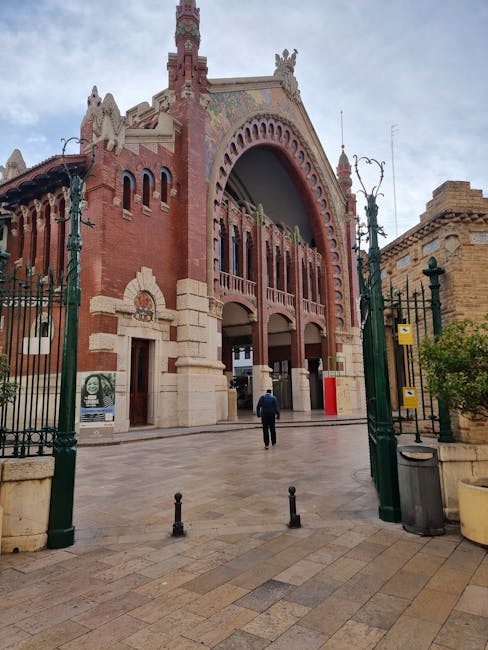
Valencia’s markets are unbeatable places to assess quality and prices. Mercado Central (Plaza Ciudad de Brujas, 46001 Valencia) is a great starting point for buying ingredients or grabbing a quick bite; the Central Bar (inside the market) offers tapas at €3.50–8 and charcuterie/cheese plates €6–12. Another market to know is the Mercado de Colón (Calle Jorge Juan, 19, 46004 Valencia), more upscale and touristy but with quality cafés where a coffee + pastry costs €3–6 and dishes €10–20.
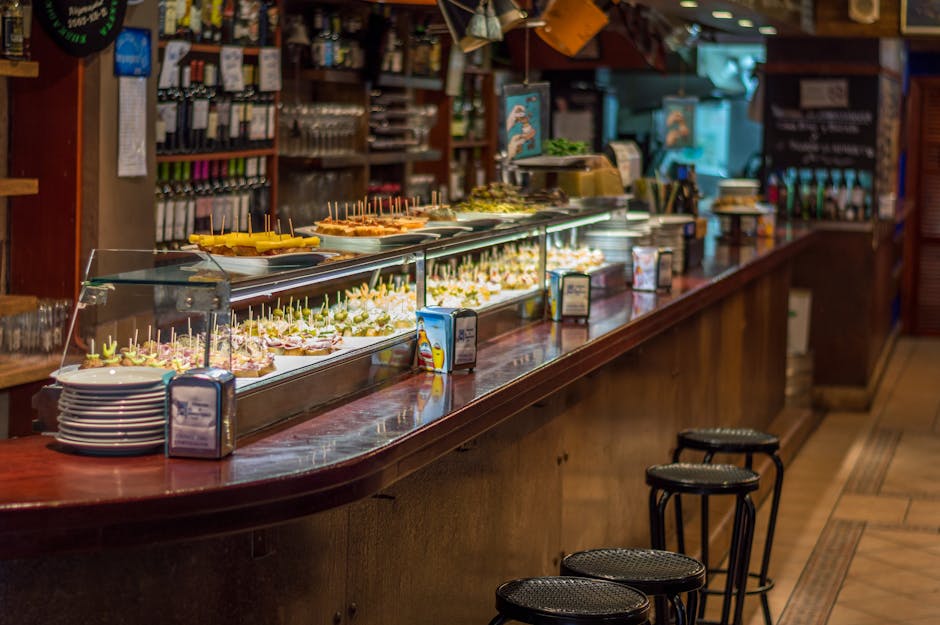
Historic tapas bars like Casa Montaña (Carrer de Josep Benlliure, 69, 46011 Valencia) in the Cabanyal/El Cabanyal area are landmarks: traditional tapas, an extensive wine cellar and reasonable prices — tapas €3.50–8, raciones €10–18. Typically open 11:00–24:00, it attracts both locals and connoisseurs. For authentic horchata, head to Horchatería Santa Catalina (Plaza de Santa Catalina, 6, 46001 Valencia): a glass costs about €1.80–2.50; the specialty is often served with fartons (local sweet pastries) for €1.50–3.
- Tactic: favor places with a short, descriptive menu (ingredients, origin) rather than long photo-filled menus — that’s often a sign of authenticity.
- Price range: simple market meal €6–12, daily menu at a local bistro €10–16, tapas dinner for a group €20–35 per person.
- Market hours: Mercado Central typically open 07:00–15:00 (many stalls closed Sunday morning), Mercado de Colón often 10:00–22:00 but it depends on the individual businesses.
Fine dining, recommended restaurants and how to judge real value
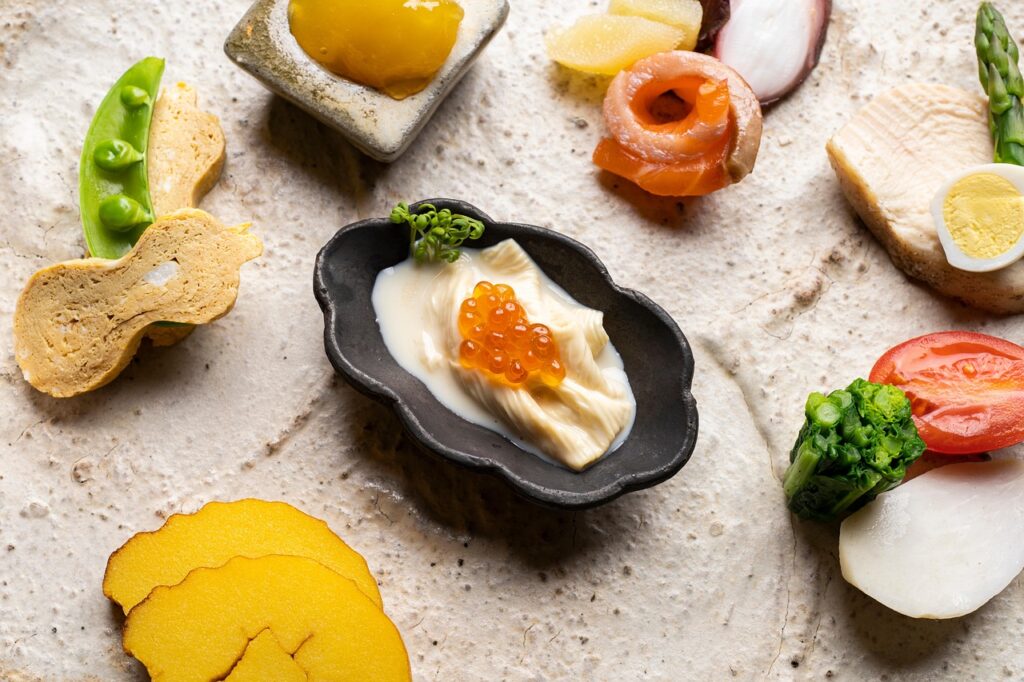
Valencia has a lively fine-dining scene: starred restaurants and renowned chefs offer tasting menus where the quality can justify high prices. But beware: price isn’t always a guarantee — check the coherence between concept, products and service. For example, a tasting menu at a reputable restaurant can range from €60 to €140 per person (excluding drinks). If a place charges a premium but serves tiny portions or frozen ingredients, you’re looking at a trap.
Tips for evaluating an upscale restaurant:
- Check product origins on the menu (fish from the Valencian coast, market produce). Serious restaurants often list origins and producers.
- Book ahead and ask for the detailed menu: signature dishes and how the paella or seafood are handled will tell you a lot.
- Examples of good value: El Poblet (Carrer de Correus, 8, 46002 Valencia), run by well-known chefs, offers menus starting around €65–90; check opening times and reserve (typically 13:30–15:30 / 20:00–23:00).
Finally, consider the service: staff who rush to turn tables or pressure you to order immediately are often more focused on turnover than on the experience. True chef-driven restaurants take their time. If the price feels fair for ingredient quality, creativity and service, you’re on the right track.
Final practical tips: reservations, payment, tipping and useful phrases
To avoid surprises and make the most of Valencian cuisine, here are practical, concrete tips:
- Reservations: for weekend paella or popular restaurants (La Pepica, Casa Montaña, El Poblet), book at least 24–48 hours ahead. For fine dining, it’s better to reserve several weeks in advance.
- Payment: most restaurants accept cards and cash; small taverns and market stalls may prefer cash. Watch out for undisclosed “service” supplements: service is often included, and a 5–10% tip is appreciated if service is excellent.
- Language: a few useful phrases: « ¿Está hecha la paella a la orden? » (Is the paella made to order?); « ¿Tiene menú del día? » (Do you have a daily menu?); « Quisiera reservar para dos la paella mañana » (I’d like to reserve a paella for two tomorrow).
- Optimal times: late lunch (14:00) and dinners from 21:00 reflect local habits — avoid exactly 12:00, often reserved for tourists and quick menus.
Conclusion: how to eat in Valencia with peace of mind
Valencia offers an outstanding culinary palette: bustling markets like Mercado Central (Plaza Ciudad de Brujas, 46001 Valencia), age-old horchaterías like Horchatería Santa Catalina (Plaza de Santa Catalina, 6, 46001 Valencia), historic beach restaurants like La Pepica (Paseo de Neptuno, 6, 46011 Valencia), characterful tapas bars like Casa Montaña (Carrer de Josep Benlliure, 69, 46011 Valencia) and chef-driven tables such as El Poblet (Carrer de Correus, 8, 46002 Valencia). But that richness also attracts opportunistic practices: inflated prices, pre-prepared dishes, overly touristy menus and pushy service. With the tips in this guide — follow the locals, check product origins, compare prices, book paella in advance, favor short menus and avoid the most conspicuous terraces — you’ll greatly reduce the risk of falling into these traps.
Also vary your experiences: a glass of horchata at Horchatería Santa Catalina for authenticity and a dinner at a local chef’s place for culinary creativity. For tight budgets, markets and tapas bars remain the best options (tapas €2.50–6, daily menus €10–16). For a memorable gastronomic experience, be prepared to pay €60–140 at a chef’s table after verifying ingredient transparency and the chef’s reputation. Finally, trust your curiosity: ask locals for recommendations, avoid the most touristy street and take the time to compare two menus before you sit down. Enjoy your meal and buen provecho in Valencia!
[[IMAGE:Traditional Valencian fishermen’s neighborhood El Cabanyal houses]]