



Introduction: understanding Valencia’s seasons
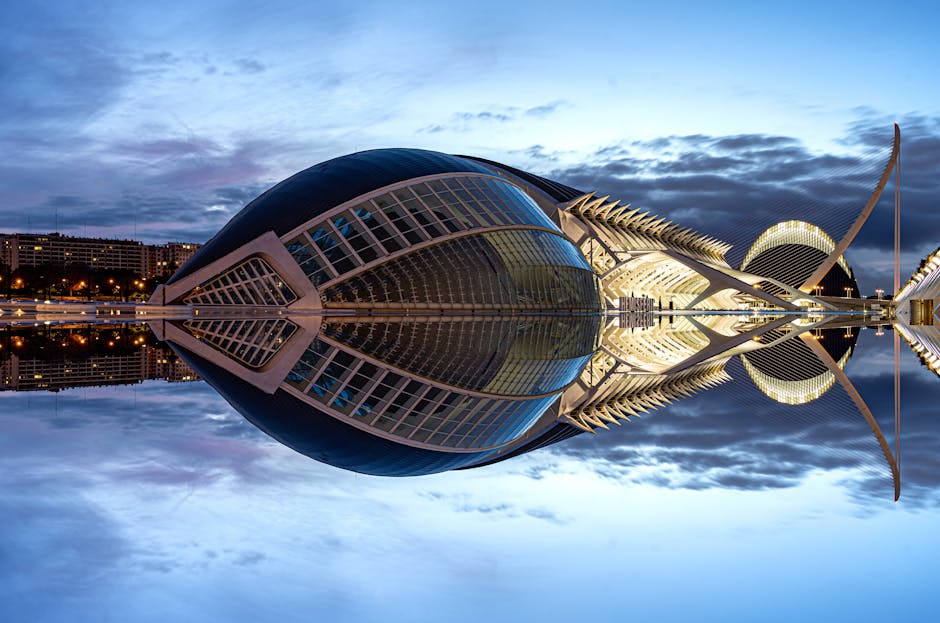
Valencia (València in Valencian), on Spain’s eastern coast, is both Mediterranean and modern — a city where climate, culture and the tourist calendar shape daily life. Understanding the seasons in Valencia goes beyond knowing the numbers on a thermometer: it means planning around opening hours, local festivals, busy restaurant times and the way light and color transform landmarks like the Ciutat de les Arts i les Ciències or the Albufera. This full guide, aimed at informed visitors and future residents alike, explains what each season — spring, summer, autumn and winter — really feels like, with exact addresses, indicative prices, useful opening times, local tips and immersive descriptions to help you get the most from every period.
Valencia enjoys a Mediterranean climate: hot, dry summers and mild winters, with pleasantly changeable springs and autumns. But beneath that gentle reputation are important variations for travelers: in high summer the Malvarrosa beach (Carrer Neptú s/n, 46011 València) buzzes from dawn and queues form at popular restaurants by 8:30pm; in spring Las Fallas (the traditional festival) can turn the city into a loud, packed spectacle for several days. This guide gives you practical times (opening and closing), prices in euros to help you budget, full addresses to find each spot easily, and seasonal recommendations — for example, which museum to visit on a rainy autumn day or which winter morning walk to choose when the light is low and golden.
Each section below covers not only climate and seasonal atmosphere but suggested routes, typical activities (markets, beaches, festivals, Albufera walks), and local tricks to avoid common tourist pitfalls and enjoy Valencia like a resident: market times to buy the best oranges, which beaches to book a lounger at in summer, or restaurants serving authentic paella away from the most touristy areas. Exact addresses such as Mercat Central (Plaça de la Ciutat de Bruges, s/n, 46001 València), La Lonja de la Seda (Carrer de la Llotja, 2, 46001 València), Museo de Bellas Artes de València (Plaça de Sant Llorenç, 5, 46003 València) and the Albufera Natural Park (El Palmar) are listed to make navigation on the ground straightforward.
Finally, this guide includes up-to-date practical information: indicative prices (in euros) for main attractions, common opening hours — which can change in high season or on public holidays — and logistical advice (transport, best times of day, reservations). You’ll also find visual suggestions (noted via image markers) to help you anticipate scenery and prepare your camera. Whether you’re planning a weekend break or a longer stay, these details will help you make the most of Valencia in every season.
Spring in Valencia: blossoms, festivals and terrace strolls
Spring (March–May) is often regarded as the best time to visit Valencia. Temperatures typically sit between 15 °C and 24 °C, making walking around the city very pleasant. Orange trees in bloom perfume some neighborhoods, and the soft morning light flatters the façades of the Ciutat Vella. Spring is also the season of preparation and celebration: Las Fallas (usually in March) bring a huge surge of activity with giant sculptures, loud daytime firecracker displays called mascletàs, and lively parades — a major cultural event but one that affects logistics (book accommodation early, expect temporary street closures).
What to do in spring
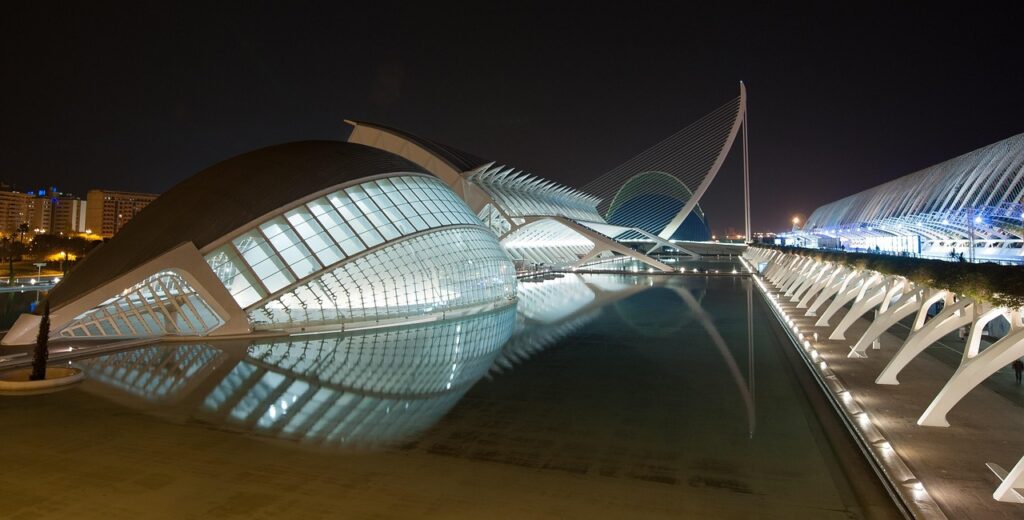
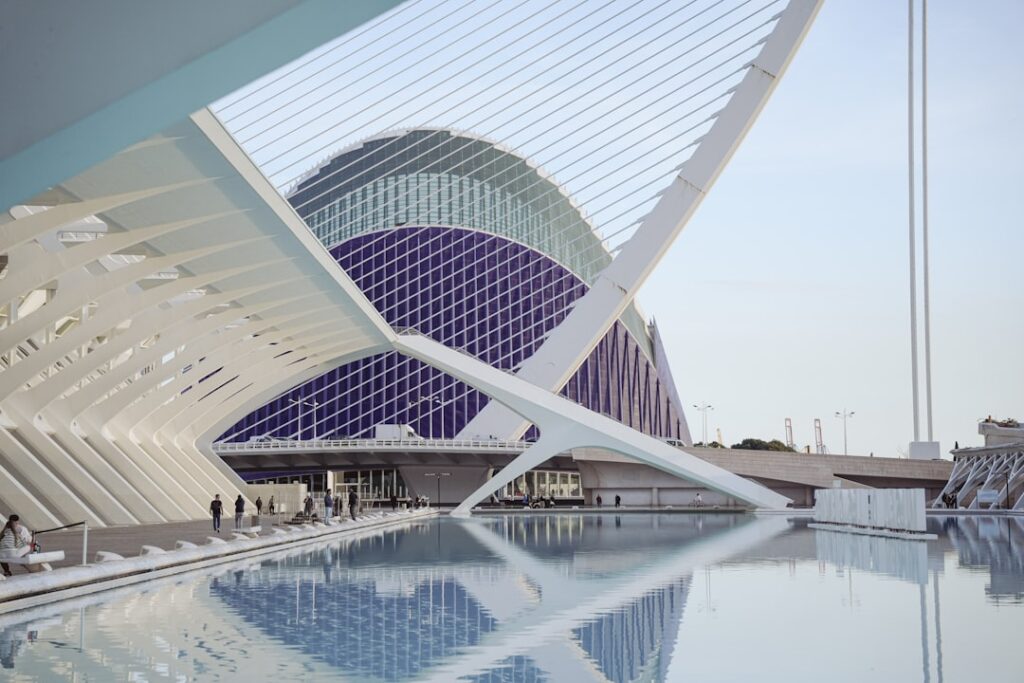
- Visit the Ciutat de les Arts i les Ciències — Av. del Professor López Piñero, 7, 46013 València. Museu de les Ciències Príncipe Felipe: usual opening hours 10:00–18:00 (seasonal variations). Indicative price for the permanent exhibition: €8–€10. The complex is especially photogenic at sunrise.
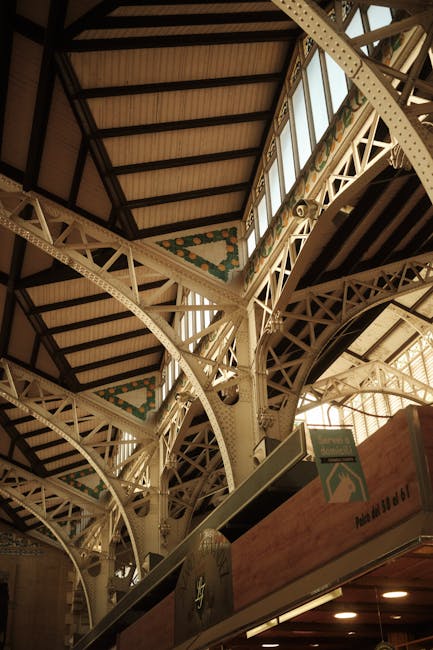
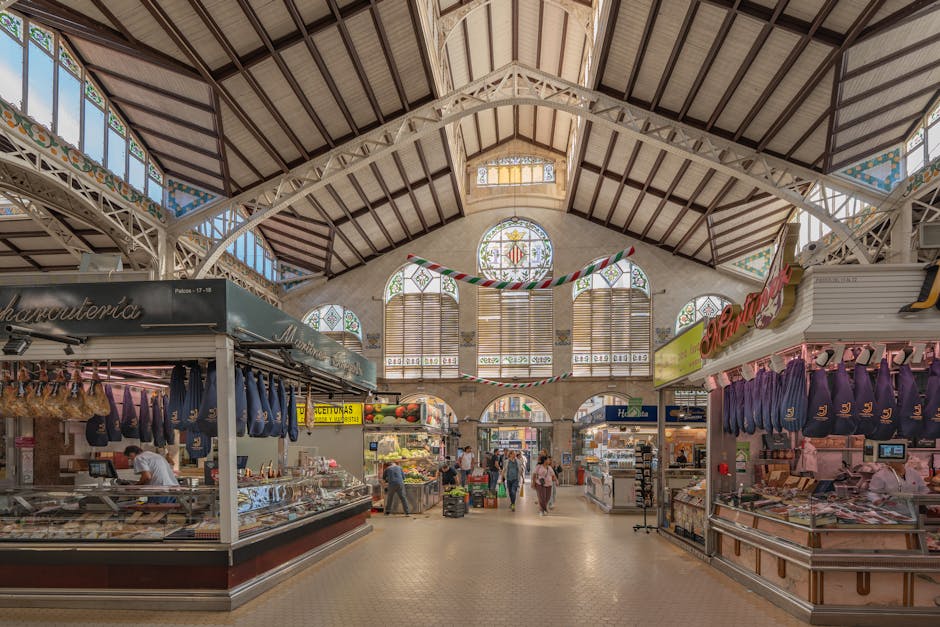
- Mercat Central (Central Market) — Plaça de la Ciutat de Bruges, s/n, 46001 València. Hours: 07:00–15:00 (closed late afternoon). Visiting in spring means you can buy the season’s first oranges and other fresh produce: nets of oranges from €2–€4/kg, local cured meats €12–€20/kg. Tip: come early between 08:00 and 10:00 to avoid crowds and sample products from the stalls.
- Walk or cycle in the Turia Gardens — Jardí del Túria (linear park). Free access, bike paths and playgrounds. Bike rental from about €6–€12/hour depending on the rental point.
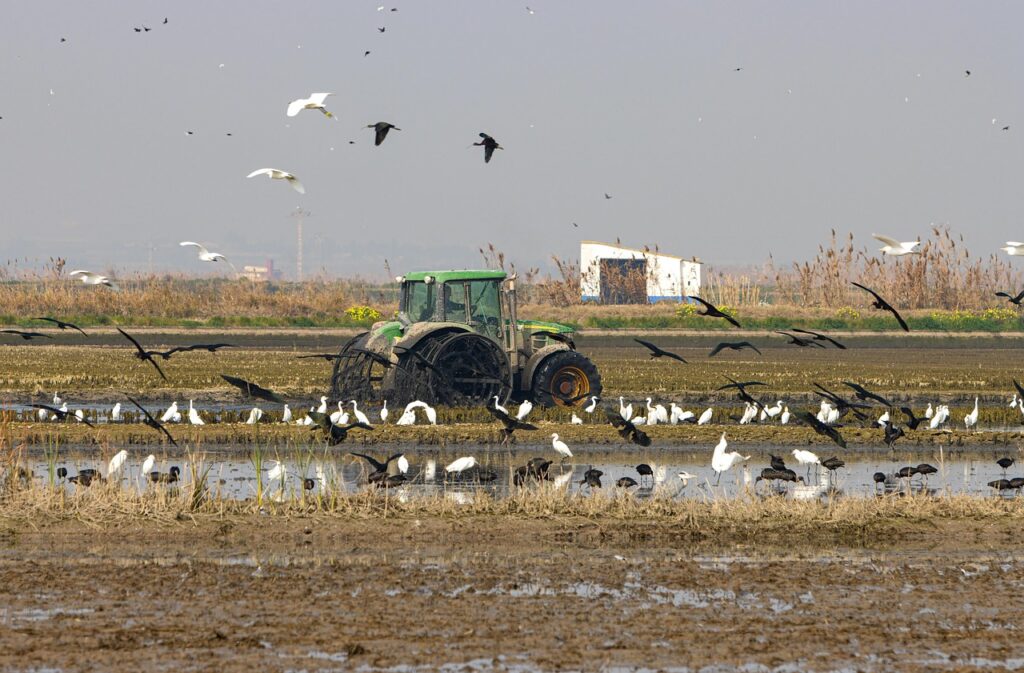
- Trip to the Albufera — Parque Natural de la Albufera, El Palmar. Boat departures from El Palmar, 46012 València. Traditional boat rides from €7–€15 per person (30–60 minutes). Spring is ideal for seeing restored wetlands and green rice fields.
Local tips: in spring, book tickets for the Ciutat de les Arts i les Ciències and any Fallas-related shows well in advance if you’re visiting in March. Cafés bring their terraces back to life: try a café con leche with a tostada at Café de las Horas (Carrer del Mar, near Plaza de la Reina) or cool off with a fresh horchata and fartons at the classic Horchatería Santa Catalina (Plaça del Mercat, 14, 46001 València) — opening hours 09:00–21:00, horchata around €2.50–€3.50.
Spring is also when many museums extend their hours to welcome more visitors. For example, the Museo de Bellas Artes de València (Museo de Bellas Artes de València) — Plaça de Sant Llorenç, 5, 46003 València — usually opens Tuesday to Saturday 10:00–20:00 and Sunday 10:00–14:00. Entry is often free or heavily reduced (check temporary exhibitions: tickets €2–€6). Enjoy mild evenings dining on a terrace in El Carmen, where several restaurants offer spring menus (menu del día around €12–€18). On Friday and Saturday nights the historic streets come alive; aim for an early evening stroll if you want to avoid the biggest crowds.
Summer in Valencia: beaches, parties and Mediterranean heat
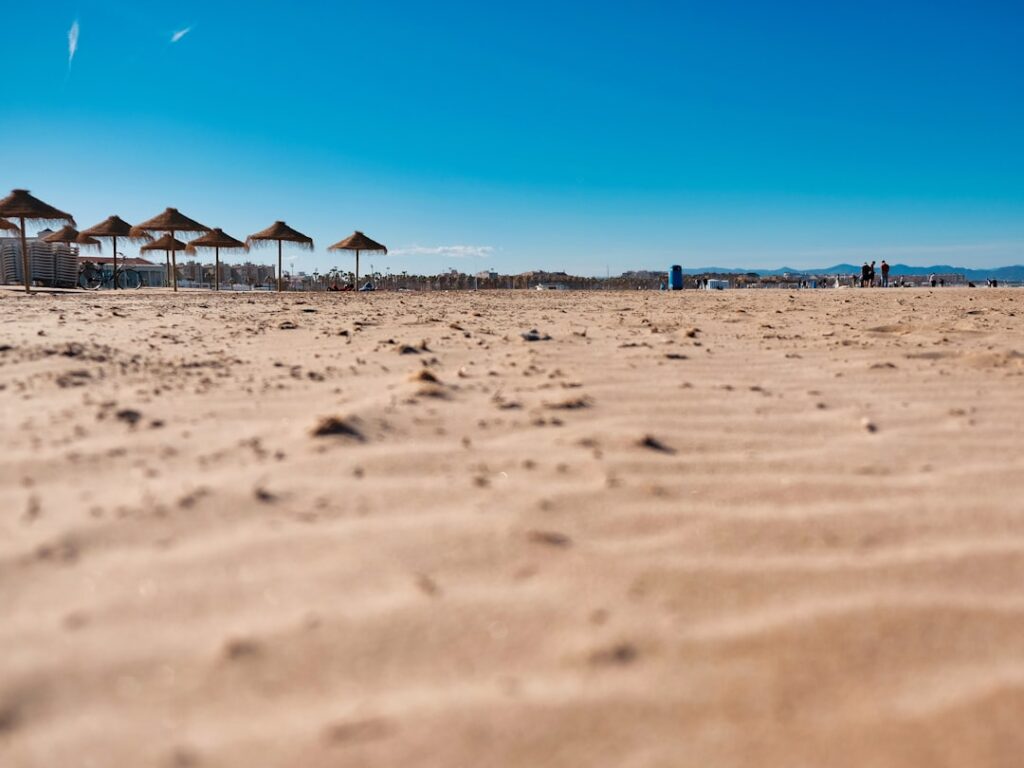
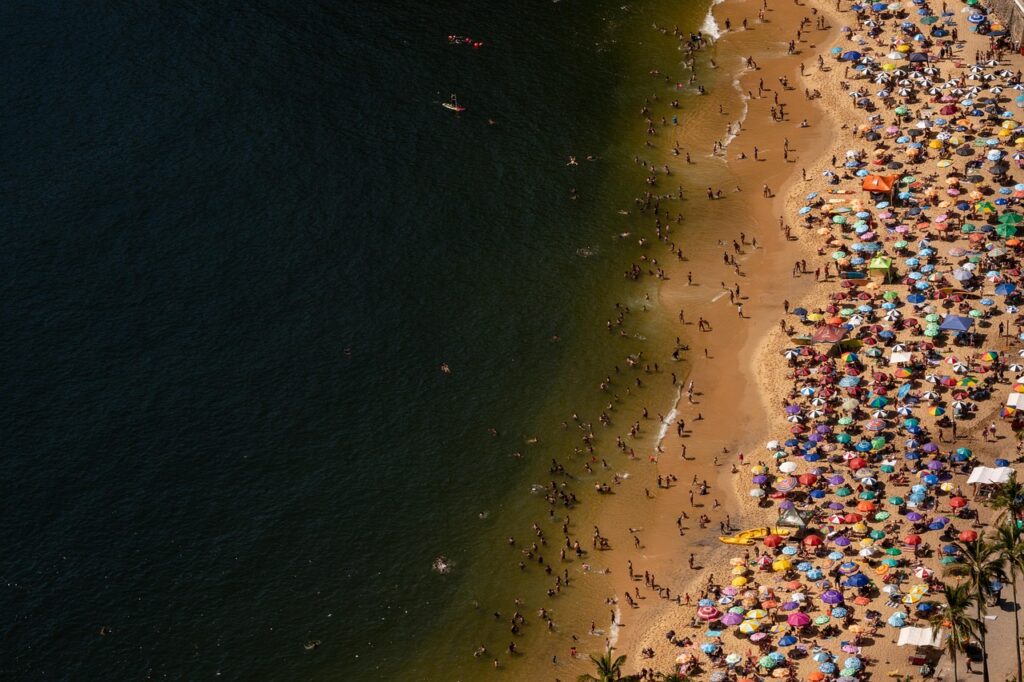
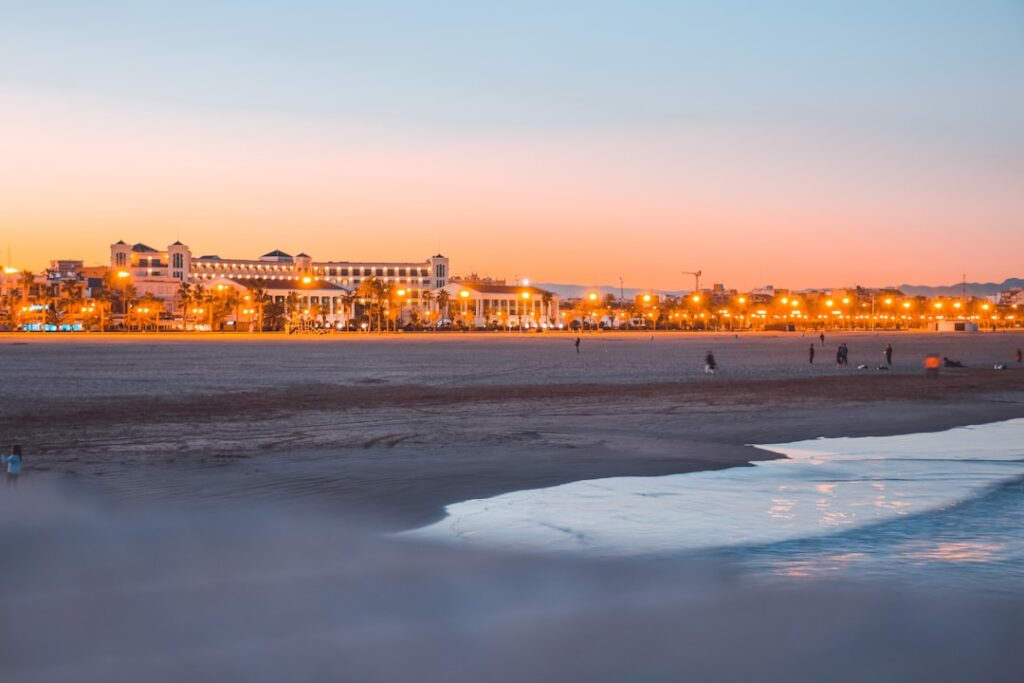
Summer (June–August) is Valencia’s high season. Temperatures can climb from 28 °C to 35 °C, with long sunny days and sometimes humid nights. The nearby Mediterranean provides a salty breeze that can ease the heat, especially along the shoreline. Summer means lively beaches: Playa de la Malvarrosa (Carrer Neptú s/n, 46011 València) and Playa de las Arenas attract families and watersports enthusiasts. The beaches are free, but services like umbrellas and sunbeds cost extra: expect around €8–€18/day for an umbrella and two chairs depending on location.
Summer activities and attractions
- Oceanogràfic — Oceanographic park in the Ciutat de les Arts i les Ciències, Carrer Eduardo Primo Yúfera, 1B, 46013 València. Hours: 10:00–19:00 in summer (check calendar). Adult ticket around €32–€35, reduced rates for children/students. Book online and arrive early to avoid queues.
- Bioparc Valencia — Av. Pío Baroja, 3, 46015 València. Hours: 10:00–20:00 in summer. Adult entry around €24–€26. Tip: visit early morning or late afternoon to see animals at their most active and avoid midday heat.
- Watersports at Marina Real Juan Carlos I — Muelle de la Aduana, s/n, 46024 València. Paddleboard, kayak and sailing rentals: prices from approximately €15–€40 depending on duration and activity.
- Terrace nights: Ruzafa and the Marina offer bars and rooftops. Mercado de Colón (Carrer de Jorge Juan, 19, 46004 València) also has terraces and lively evening drinks. Hours vary; many venues stay open until 01:00–02:00.
Practical tips: in summer, book restaurants and museums in advance. The most comfortable times to visit monuments are morning (08:30–11:30) and late afternoon (18:00–20:30). Carry a refillable water bottle — the Turia fountain and many public water points allow free refills. To escape the crowds, head to less-known beaches on the southern coast (El Saler, El Perellonet) in the Albufera Natural Park — perfect for a beach day plus a traditional paella in El Palmar: paella dishes from around €12–€18 per person depending on size and ingredients.
[[IMAGE:Oceanografic underwater tunnel large fish]]
Summer nightlife is in full swing: outdoor festivals, concerts and cultural events are common. If you’re traveling with children, note that many attractions (Oceanogràfic, Bioparc) run special summer activities, sometimes with extra fees for workshops or animal encounters. Museum and site hours may be extended, but some shops close for siesta in early afternoon (13:30–17:00). Also watch out for higher prices: high season can raise accommodation and some service rates — compare options and book early for better deals.
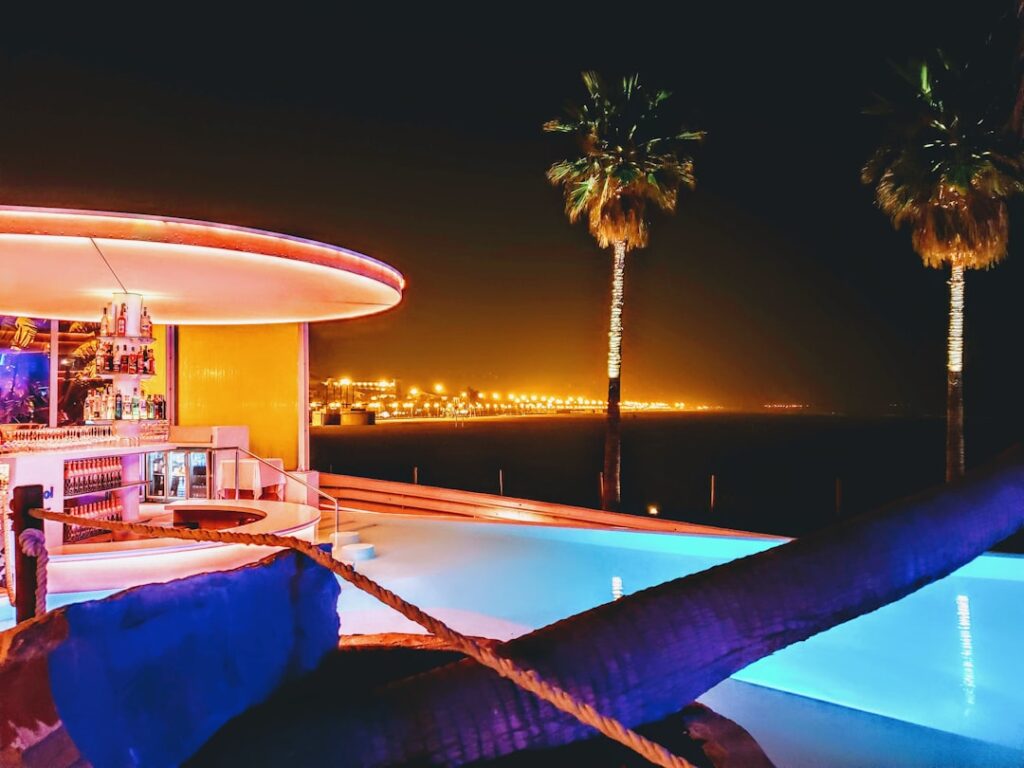
Autumn in Valencia: harvests, golden light and cultural life
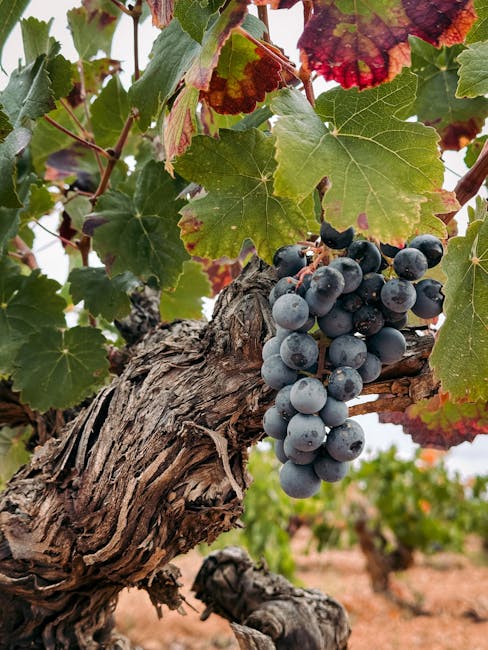
Autumn (September–November) is a gentle season in Valencia, with a gradual drop in temperatures (around 12 °C to 25 °C) and a golden light that makes city walks especially pleasant. It’s the cultural restart: museums, galleries and theaters roll out full programming again, and restaurants put seasonal produce front and center — mushrooms, squash and fresh fish become highlights. Autumn is also grape harvest season in the region, and wine-focused excursions to nearby vineyards are widely available.
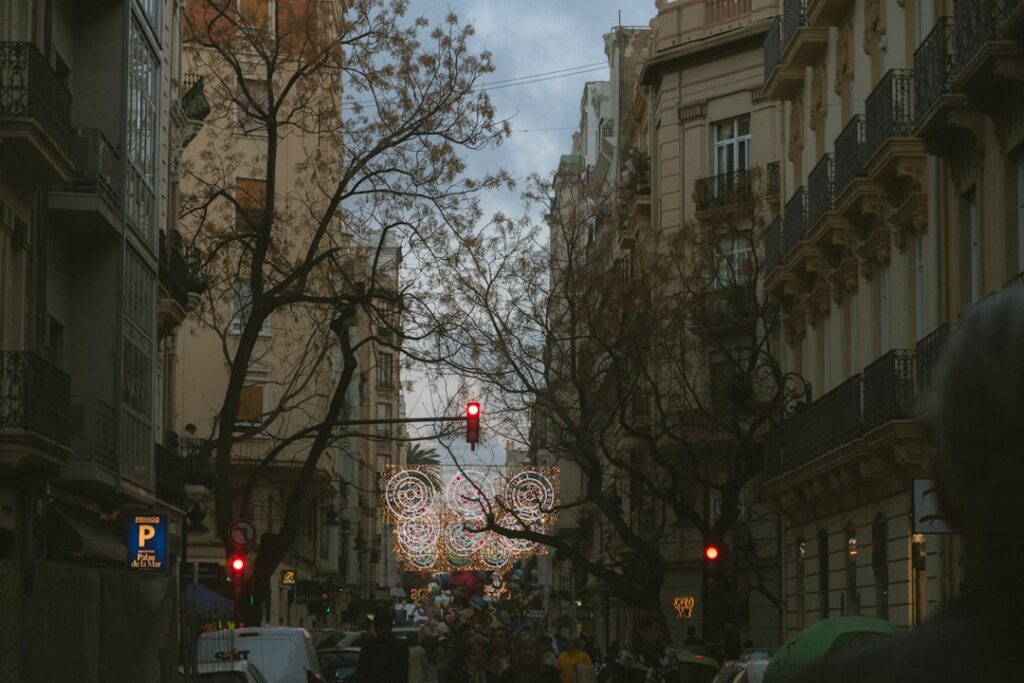
Autumn highlights
- Museums and exhibitions: The Museo de Bellas Artes de València (Plaça de Sant Llorenç, 5, 46003 València) presents permanent and temporary collections. Typical hours: Tuesday–Saturday 10:00–20:00, Sunday 10:00–14:00. Entry is often free or inexpensive (check temporary shows: €2–€6).
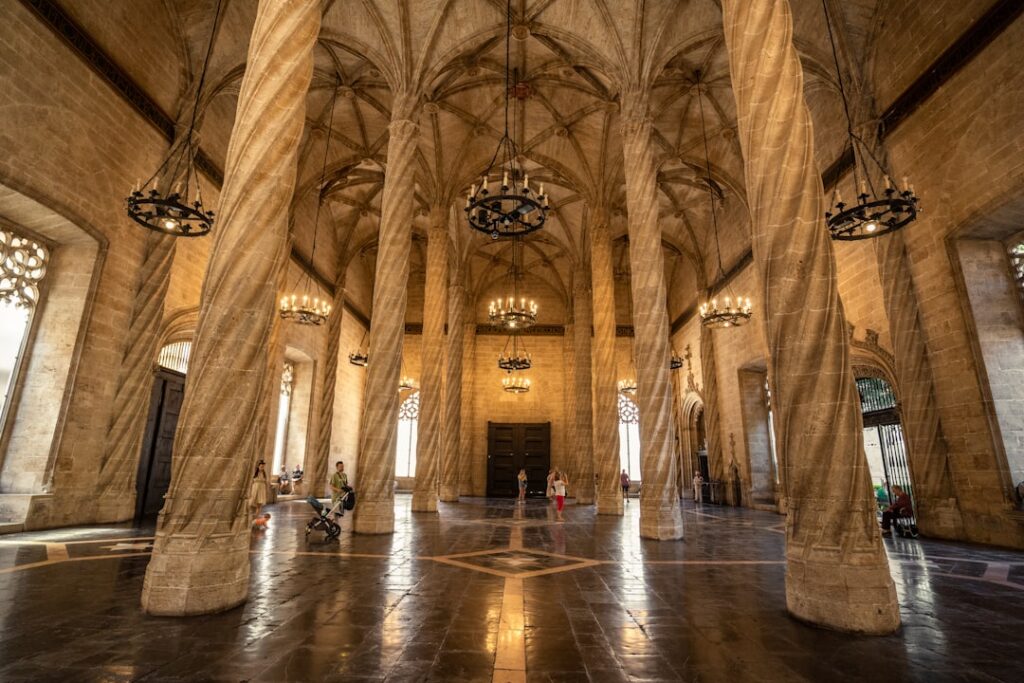
- La Lonja de la Seda — Carrer de la Llotja, 2, 46001 València. This UNESCO-listed Gothic building. Hours: 09:30–19:00 in high season, variable off season. Adult entry around €2–€4 (discounts for students and seniors). In autumn the atmosphere becomes more intimate — perfect for guided visits at dusk.
- Markets and gastronomy: return of slow-cooked dishes and seasonal markets at Mercat Central (Plaça de la Ciutat de Bruges, s/n). Local culinary options abound: tapas from €2–€4, menu del día on weekdays around €10–€16.
- Trips inland: hiking in the Sierra Calderona or visiting provincial towns (Xàtiva, Cullera). Cooler temperatures make these excursions comfortable; bring a light jacket and walking shoes.
Local tips: autumn is ideal for combining fewer tourists with a full cultural calendar. Book a table at taverns known for traditional Valencian paella. For an authentic experience head to Casa Carmela (Carrer Isabel de Villena, 155, 46011 València) which specializes in wood-fired paellas; typical hours 13:00–16:00 and 20:00–23:00, family paella from €18–€22 per person depending on ingredients (reservation recommended). Autumn also sees local fairs and pop-up organic markets offering artisanal foods and edible souvenirs.
Days shorten in autumn but often bring lovely sunny spells. Late-afternoon walks along the Turia or around the modernist Mercado de Colón reveal a more relaxed Valencia. It’s also a good time for themed guided tours: modern architecture, El Carmen street art, or wine-tasting circuits. Hotel rates tend to be more reasonable than in summer, and you’ll often find good multi-day deals.
Winter in Valencia: mild Mediterranean season and year-end festivities
Winter in Valencia (December–February) is mild compared with many European cities. Temperatures typically range from 8 °C to 16 °C, snow is rare, and many days are sunny. Evenings can be chilly, especially by the sea, so bring a warm jacket and a windbreaker. Winter means Christmas lights, seasonal markets and hearty comfort food — soups, stews and dishes made with local winter vegetables.
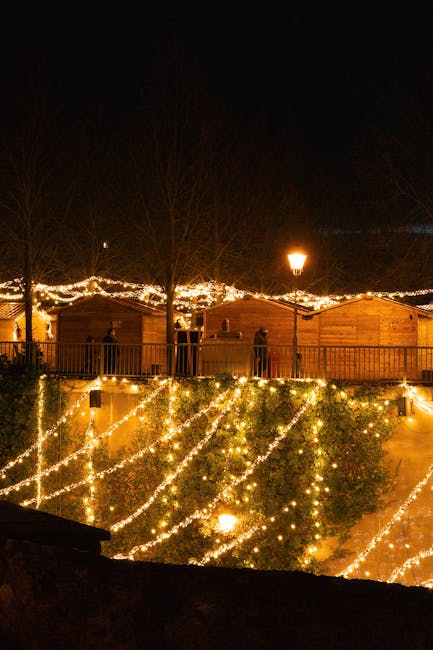
Winter events and activities
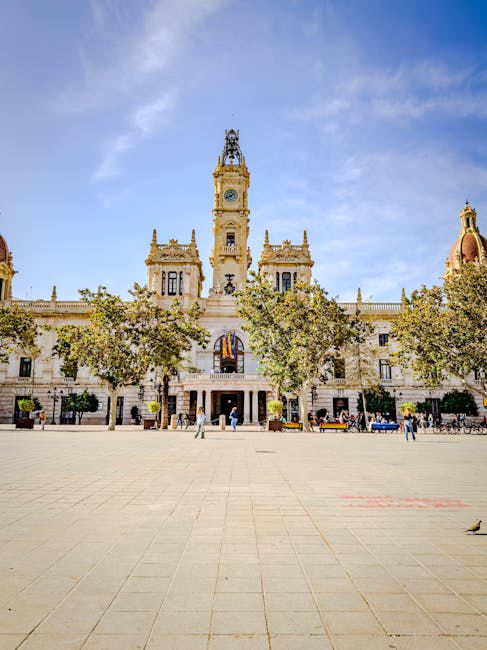
- Christmas and New Year: Plaza del Ayuntamiento (Plaça de l’Ajuntament) lights up with festive decorations and a seasonal market. Ice rinks and stalls sell crafts; typical period late November–early January, stalls open 10:00–22:00. Festive events can lead to traffic restrictions and occasional closures.
- Museum visits: winter is perfect for museums with fewer visitors. The Museu de les Ciències Príncipe Felipe (Av. del Professor López Piñero, 7) and the Museo de Bellas Artes are especially pleasant on rainy or cool days. Typical winter hours: 10:00–18:00, with lower off-season prices (e.g., Science Museum entry €6–€8).
- Carnival and local celebrations: Carnival usually falls in February. Small parades, balls and neighborhood parties animate parts of the city; check municipal listings for exact dates and times.
- Coastal walks: while not usually beach weather, the coast is still lovely for brisk walks along Malvarrosa or Cabanyal. Nearby bars serve hot dishes and local wines to warm up (tapas from €2–€4).
Practical tips: winter is the cheapest time to travel to Valencia — accommodation and flights are often lower cost. It’s a great moment to book private guided tours, cooking workshops (paella classes from €40–€60 per person) or day trips (Xàtiva, the Albufera). Restaurant hours may be reduced between Christmas and Epiphany; always check public holiday schedules and reserve ahead if you plan to dine out on December 24th or 31st.
Conclusion: picking the right season for your Valencia trip
Valencia reveals different faces depending on the season. Spring offers pleasant temperatures, spectacular festivals (Las Fallas) and the scent of orange blossoms — it’s ideal for urban walks, markets and cultural discovery. Summer is the sea season, full of festivals and nightlife — perfect for beach lovers and party-goers, but it requires planning around heat and reservations. Autumn is a superb compromise: golden light, intense cultural life and fewer tourists, great for inland excursions and food and wine tasting. Winter, mild and welcoming, is the most budget-friendly time to enjoy museums, Christmas markets and a temperate climate.
To optimize your stay, keep these tips in mind: book ahead for high-demand attractions (Oceanogràfic, Bioparc, museums) in summer and during Las Fallas; favor mornings or late afternoons for visits during hot months; explore local markets (Mercat Central, Mercado de Colón) to taste Valencian cuisine and plan an Albufera trip at sunrise or sunset for a memorable experience. Note the practical addresses mentioned in this guide — Ciutat de les Arts i les Ciències, Oceanogràfic (Carrer Eduardo Primo Yúfera, 1B, 46013 València), Mercat Central (Plaça de la Ciutat de Bruges, s/n, 46001 València), La Lonja de la Seda (Carrer de la Llotja, 2, 46001 València), Bioparc (Av. Pío Baroja, 3, 46015 València) — and check official sites before visiting to confirm hours and prices, which can change by season and for temporary exhibitions.
In short, whenever you go, Valencia offers a full range of experiences: futuristic architecture, medieval heritage, colorful markets, friendly beaches and preserved natural spaces. Tailor your itinerary to the season — mornings for museums, afternoons for the beach, evenings for food and local buzz — and you’ll get the best out of what Valencia has to offer across the year.