



Introduction — Valencia’s tasty history and the quest for authenticity
Valencia (València in Valencian) is a city where culinary history is written in its stones, markets and Mediterranean shores. Between millennia-old farming traditions and maritime influences, Valencian cuisine grew out of a meeting between rice, local vegetables, olive oil and fresh fish from the port. Understanding the history of Valencia’s restaurants means tracing how fishermen’s taverns and market stalls evolved into respected dining rooms, how paella — now an international emblem — was shaped by rural hearths, and how forward-thinking cafés changed the way people ate in the city.
This comprehensive guide invites you to step into that history — not just as a story, but as a practical map to spot authenticity today: which historic places are still in operation, which spots preserve recipes and traditional techniques, and which visual or behavioral cues point to a restaurant truly rooted in local culture. We’ll cover iconic markets where traders and restaurateurs set up shop, century-old taverns still run by local families, and practical markers to tell apart staged tourist experiences from genuinely Valencian ones.
The approach is both historical and pragmatic. On the historical side, we’ll go over the major stages: the importance of the huertas (market gardens) around the city, the rise of ports and seaside promenades that gave birth to the first arrocerías, the opening of covered markets at the end of the 19th century (like the Mercado Central), and the emergence of bistros and cider houses in the 20th century. On the practical side, we provide full names of establishments, exact addresses, price ranges in euros, typical opening hours, sensory descriptions and concrete tips (for example how to order a paella to share, how to recognize a traditional horchatería, and when to avoid tourist traps).
This guide is aimed at both the curious traveler and the discerning foodie: you’ll find markers to plan a quality culinary itinerary in Valencia, tips for chatting with servers and vendors, and a checklist of authenticity signs (short local menu, visible cooking, certified products, predominantly local clientele, family recipes on offer, wood oven where appropriate, etc.). We’ll also illustrate the points with emblematic addresses: from Casa Montaña, a historic tavern in the Cabañal neighborhood, to the Mercado Central, the beating heart of producers, as well as century-old horchaterías and beach restaurants rooted in maritime tradition.
Finally, because the culinary experience is primarily visual and sensory, this guide offers photographic cues to locate places within Valencia’s urban and seaside landscape. Suggested images (visual markers) will help you identify elements on site: the façade of a taberna, the counter of a horchatería, a fishmonger’s stall at the port, a steaming paella served on the beach promenade, or the tiled interior of an old tavern. Get your address book ready: following this introduction, several detailed sections will guide you step by step to understand and spot the authentic in Valencia.
The origins: from the peasant hearth to the first taverns (250+ words)
Valencian cuisine has its roots in the countryside. The huertas — vast irrigated market gardens surrounding Valencia since the Islamic period — provided vegetables, oranges and rice for centuries. In the 15th and 16th centuries, rice cultivation intensified in the Albufera, the lagoon south of the city: this was the fertile ground for paella, born from a simple peasant dish of rice, vegetables and chicken, cooked in a large pan over a wood fire.
The first modern-style restaurants appeared at the end of the 19th and the start of the 20th century: taverns and bodegas opening near ports and markets where fishermen and farmers gathered. These places resembled counters more than dining rooms, with wooden bars, rows of bottles and daily specials chalked on boards. Many of these establishments survived — sometimes transformed into renowned family-run restaurants — and today they are prime addresses to feel living history.
Concrete examples: Bodega Casa Montaña (official name Bodega Casa Montaña) is a living testimony from that era. Address: Bodega Casa Montaña, Carrer de Josep Benlliure, 69, 46011 València. Typical hours: Tue–Sat 13:00–16:00 and 19:00–23:00 (closed Sun and Mon); prices: tapas €3.50–€8.50, mains €12–€25 depending on fish dishes or special paella. Its décor — wooden bar, wine labels and old photos — perfectly illustrates historical continuity.
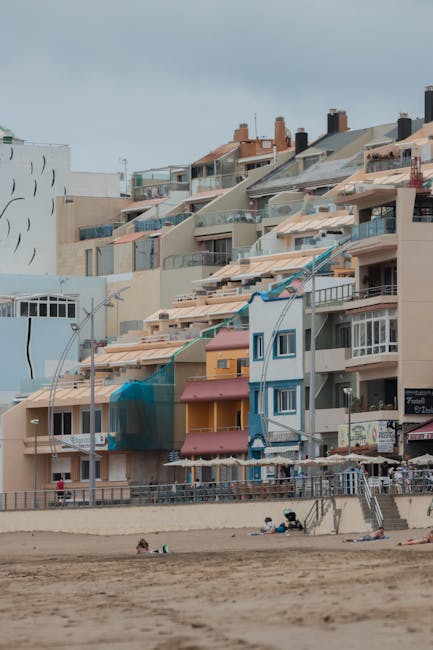
Another emblematic example tied to the sea-land relationship is La Pepica (Restaurant La Pepica), strongly associated with the Malvarrosa promenade and the history of seaside arrocerías. Address: La Pepica, Paseo Neptuno, 6, 46011 València. Hours: daily 12:00–00:00; prices: paellas €18–€35 per person depending on ingredients (seafood will cost more). These beachside restaurants grew in the 20th century as the city embraced seaside tourism, blending traditional cooking with maritime conviviality.
A historical landmark to know: the Mercado Central (Mercado Central de València), open to the public since 1928, helped professionalize local catering. Address: Mercado Central, Plaza Ciudad de Brujas, s/n, 46001 València. Hours: Mon–Sat 07:00–15:00; some stalls open Sunday mornings depending on the season. On-site prices: tastings and tapas €2.50–€10; fresh products for sale vary seasonally. The market isn’t just a shopping spot: it’s the city’s original communal “restaurant,” where chefs and restaurateurs come to choose ingredients and inspiration.
From market to plate: the central role of Mercado Central and the producers (250+ words)
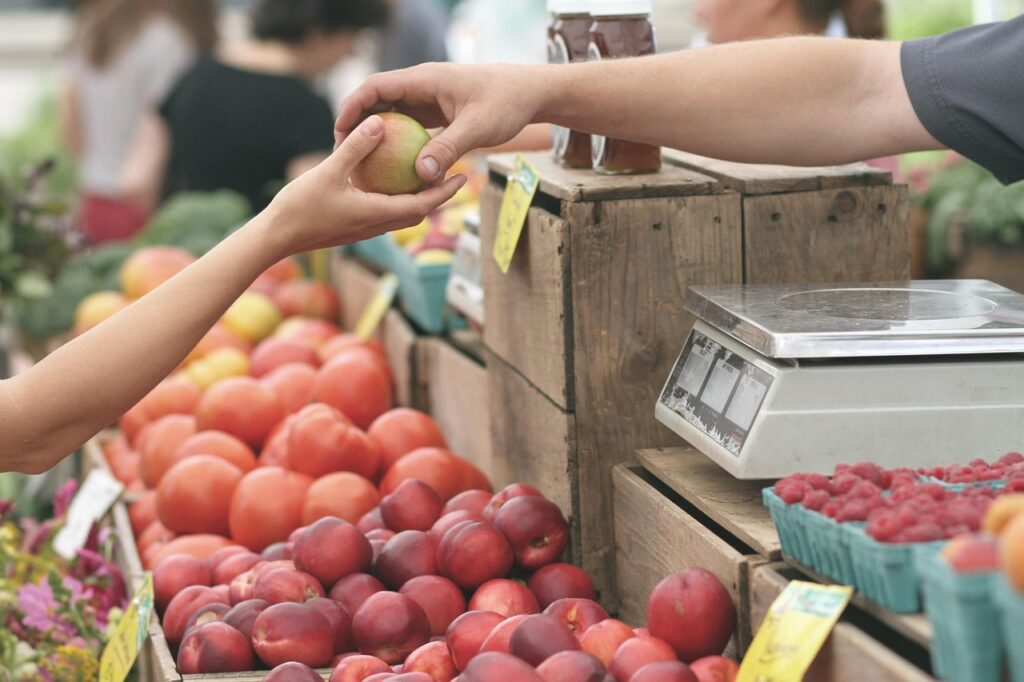
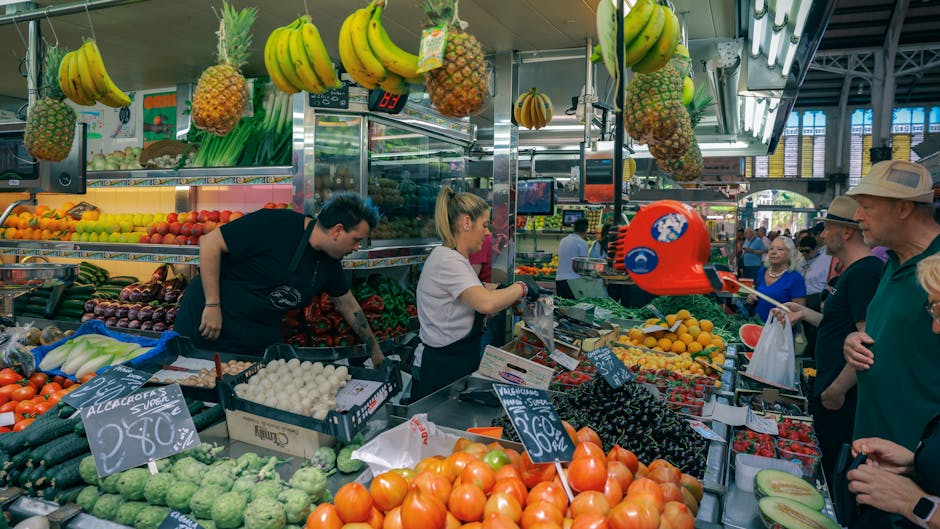
The Mercado Central is a cornerstone of Valencian culinary identity. Built in the modernist style, it brings together stalls of fruit, vegetables, fish and charcuterie: here you’ll find Valencian oranges, huerta tomatoes, local garlic, and varieties of D.O. rice like « Arròs de la Albufera. » To spot authenticity in the city, starting with a visit to the market is essential: observe the quality of products, talk to vendors (puntos de venta), and note provenance labels.
Practical info: address and hours. Mercado Central, Plaza Ciudad de Brujas (Plaça Ciutat de Bruges), s/n, 46001 València. Typical hours: Monday to Saturday 07:00–15:00 (closed some public holidays). Some stalls open very early for professionals (fishmongers, butchers). Indicative prices: huerta tomatoes €1.80–€3.50/kg depending on variety, D.O. bomba rice €1.50–€3.50/kg, fresh fish (sea bream) €6–€12/kg depending on size, seaside fish (seares) €8–€18/kg, local fruits €2–€4/kg. Inside, Central Bar (Central Bar by Ricard Camarena) is a contemporary spot: Central Bar, Mercado Central, Plaza Ciudad de Brujas, s/n, 46001 València. Hours: Mon–Sat 08:00–16:00; tapas €3–€6, tasting menus by season €30–€45.
Practical tips to spot authenticity at the market: look for vendors who produce themselves (small producers with village labels), check for D.O. or IGP certifications for products like olive oil or rice, favor stalls where the merchant cleans and prepares produce in front of you (a sign of hygiene and know-how), and taste when offered: a spontaneous bite of tomato or an olive will tell you a lot about quality. Local chefs shop at Mercado Central: if you see chefs carrying bags or chatting with a stallholder, that’s often a good sign.
Cultural note: the direct link between market and kitchen explains the apparent simplicity of local dishes: the quality of an arroz (paella) depends more on the rice and broth than on complex sauces. Well-cooked rice, a good fumet and huerta vegetables — that’s the essence. If you want to learn: some stalls and restaurants offer demonstrations or workshops (€15–€60 depending on length) to teach rice selection and product prep. It’s an excellent way to understand why some restaurants, despite attractive décor, don’t reach the authenticity level of places rooted in the producer-to-restaurant chain.
Historic addresses and how to recognize them today (250+ words)
Valencia still has several historic restaurants where family continuity and unchanged recipes guarantee an authentic experience. Here are must-know addresses, with location, hours and indicative prices, as well as signs to observe that confirm authenticity.
-
Bodega Casa Montaña
Address: Bodega Casa Montaña, Carrer de Josep Benlliure, 69, 46011 València.
Hours: Tue–Sat 13:00–16:00 & 19:00–23:00 (closed Sun and Mon).
Prices: tapas €3.50–€8.50, raciones €8–€18, fish mains €14–€25.
Description: a seaside tavern vibe, handwritten chalkboards, a wine cellar with signed bottles, predominantly local clientele. Signs of authenticity: a queue of regulars, a short menu focused on seasonal produce, staff who guide you on wine-and-tapas pairings. -
La Pepica
Address: La Pepica, Paseo Neptuno, 6, 46011 València (Malvarrosa Beach).
Hours: daily 12:00–00:00.
Prices: rices/paellas €18–€35 per person (depending on ingredients), tapas €4–€10.
Description: a beach arrocería, large paellas served family-style, terrace facing the sea. Signs of authenticity: on-site cooking, a menu centered on arroces and fish, and simple but well-executed dishes like esgarraet (grilled peppers with salt cod). -
Horchatería Santa Catalina
Address: Horchatería Santa Catalina, Plaza de Santa Catalina, 6, 46001 València.
Hours: Mon–Sun 09:00–22:00 (seasonal variations possible).
Prices: glass of horchata €2.50–€3.50, fartons €1.50–€2.50.
Description: a traditional tea room specializing in chufa (tigernut) horchata and fartons, frequented by local families. Signs of authenticity: chufa milk made on-site, no trendy coffee gimmicks, recipes kept unchanged. -
Central Bar (Mercado Central)
Address: Central Bar, Mercado Central, Plaza Ciudad de Brujas, s/n, 46001 València.
Hours: Mon–Sat 08:00–16:00 (closed Sunday).
Prices: tapas €3–€6, small plates €8–€15.
Description: a modern bar inside the market, market-driven cuisine, shareable portions. Signs of authenticity: direct supply from the stalls, daily specials depending on the morning’s catch or produce.
Visiting tips: book ahead for Casa Montaña and La Pepica (especially on weekends); outdoor seating at La Pepica is in high demand in season. For Horchatería Santa Catalina, visit late afternoon to see local customers and taste freshly strained horchata. Central Bar often operates without reservations in the morning; if you want to lunch at Mercado Central, arrive early (before 13:00) to avoid crowds and enjoy the freshest produce.
[[IMAGE:Horchatería Santa Catalina serving horchata and fartons Plaza de Santa Catalina 6]]
Signs of authenticity to look for in a Valencian restaurant (250+ words)
Spotting authenticity requires observing both visible elements and practices: the menu, the clientele, ingredient sourcing, cooking and serving methods. Here’s a practical, detailed checklist.
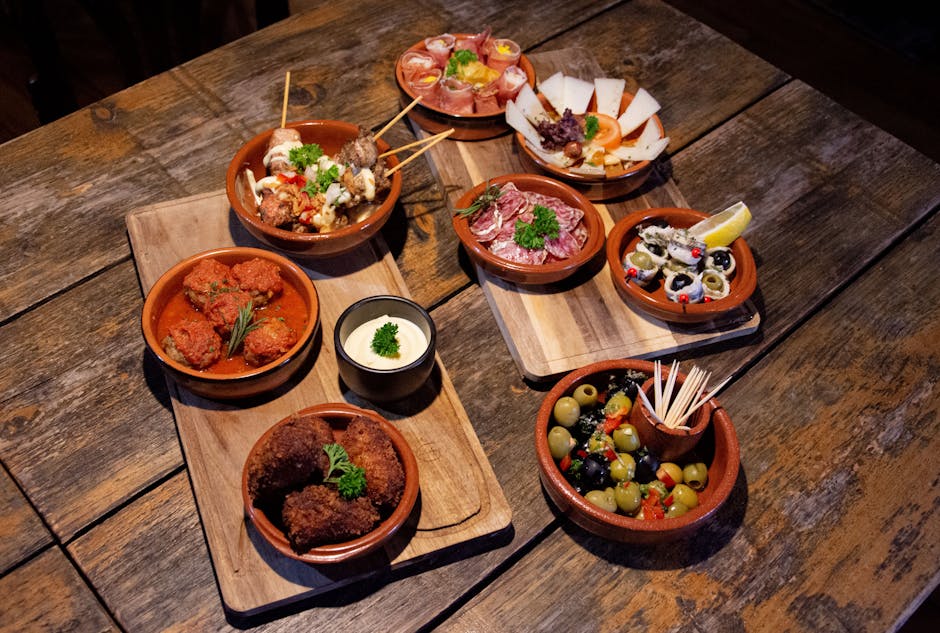
- Short, local-focused menu: an authentic restaurant highlights a limited selection of mastered dishes using local ingredients (bomba rice, huerta vegetables, pescado del día). Be wary if the menu lists 50 starters and 30 mains — that often points to mass-produced cooking.
- Proximity to markets or producers: if a restaurant lists its suppliers (producer name, D.O.), that’s a strong sign. Example: “arroz D.O. Albufera” on the menu.
- Predominantly local clientele: if you see many neighborhood residents and families, the place is likely authentic. Tables of isolated tourists often indicate a restaurant promoted by guides without quality control.
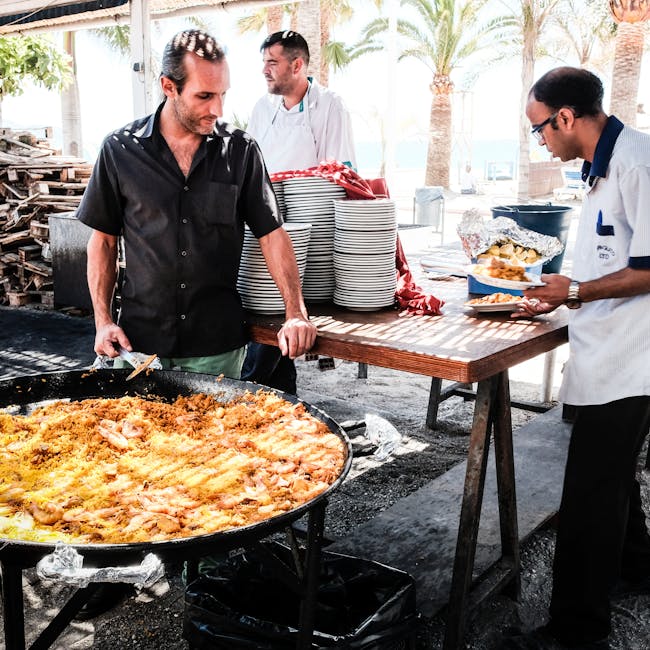
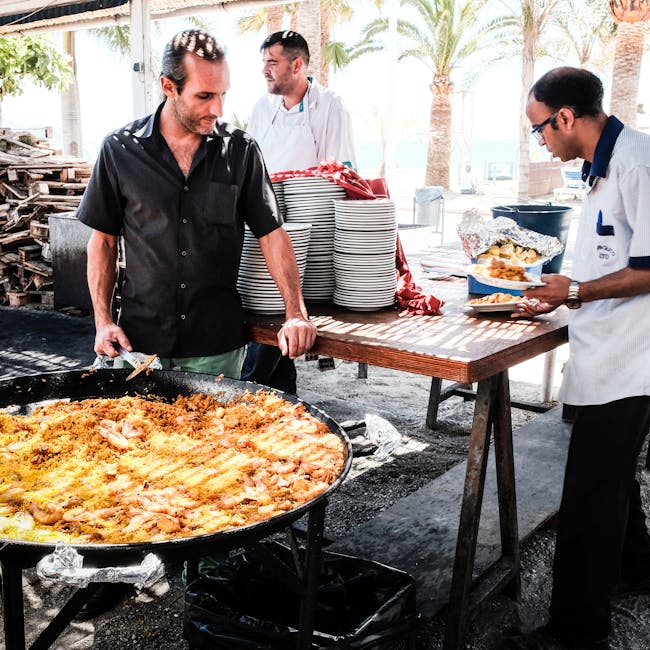
- Visible cooking: for arroces, on-site paellera cooking or a visible paella station is a good sign; for fish, a cold display showing the daily supply is revealing.
- Personal touches and inherited gestures: presence of a handwritten daily chalkboard, chef’s traditional gestures (filleting fish in front of customers, serving rice from a large pan), and a well-kept wine cellar are qualitative indicators.
- Consistent pricing: a quality paella in Valencia will generally run around €18–€30 per person depending on ingredients; very low prices for traditional dishes can indicate industrial preparation and imported products.
- Local rhythms and opening hours: in Valencia people eat lunch late (13:30–15:30) and sometimes dine after 21:00. If a restaurant is empty at 21:30 but busy at 13:30, it’s following local rhythms. Authentic places often respect these hours and close after service, unlike touristy spots open continuously.
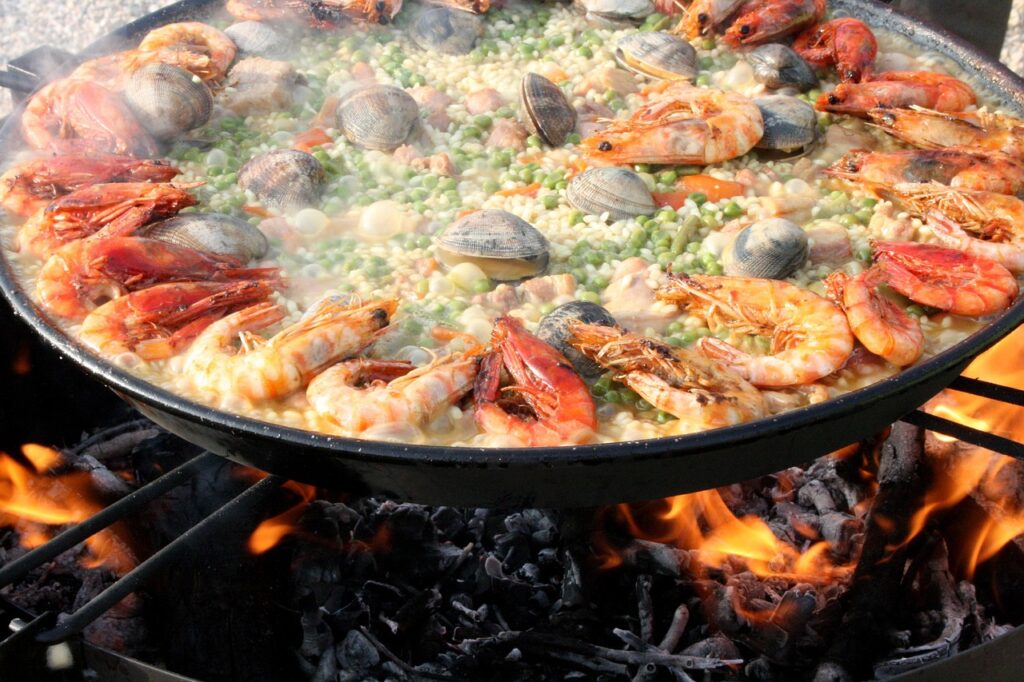
Concrete observations: if your paella tastes like an « industrial broth » or uses frozen ingredients, it’s not authentic. Conversely, a paella with separate grains, a socarrat (slightly caramelized crust at the bottom), crisp vegetables and a smoky wood-fired aroma signals authenticity. For horchata, the real thing is cloudy, not overly sweet, and served with local fried pastries (fartons) — typical prices €2.50–€3.50.
Practical route: a day to taste the authentic (250+ words)
Here’s a one-day itinerary designed to maximize authentic discoveries, with addresses, hours and a rough budget. The goal: go from the market to the beach and finish in a historic tavern.
Morning (08:00–10:30) — Mercado Central and a savory breakfast
Start at Mercado Central (Plaza Ciudad de Brujas, s/n, 46001). Ideal time: from 08:00. Have a coffee and a tapa at Central Bar (Central Bar, Mercado Central). Budget: coffee €1.20–€1.80, tapa €3–€6. Wander among the stalls, chat with a rice vendor (a packet of bomba rice costs €2–€4 depending on quality) and buy fruit for a snack.
Midday (13:00–15:00) — Paella by the sea
Head to La Pepica (Paseo Neptuno, 6, 46011). Book for 13:00. Order a mixed paella or a seafood paella to share (expect €18–€35 per person). In Valencia, paella is traditionally shared; ask for a portion for 2–3 people depending on appetite. Tip: avoid unjustified extras and ask how long the paella will take (an authentic paella needs time).
Afternoon (16:00–18:00) — Horchata and a stroll through El Carmen
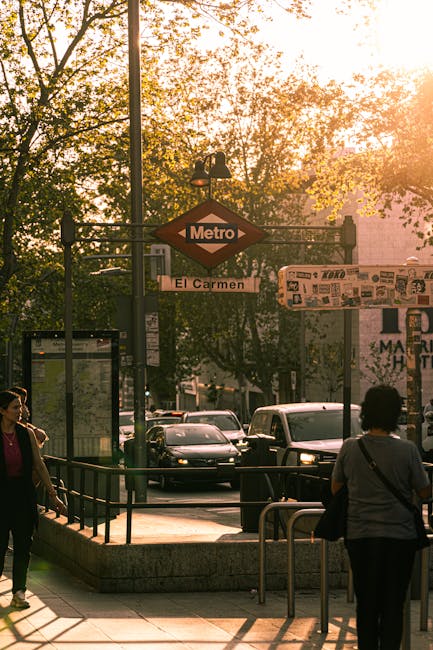
After the beach, refresh yourself at Horchatería Santa Catalina (Plaza de Santa Catalina, 6, 46001). Price: €2.50–€3.50. Then wander the Barrio del Carmen to admire façades, small bodegas and spot restaurants with traditional décor.
Evening (20:00–23:00) — Historic tavern
Finish at Bodega Casa Montaña (Carrer de Josep Benlliure, 69, 46011). Book for 20:00. Order a selection of tapas and a bottle of local wine (bottles €12–€40 depending on the vintage). Dinner budget: €25–€45 per person depending on wine and dishes chosen. Sign of authenticity: the owner or server will recommend dishes based on the market’s arrivals — follow their advice.
Tourist traps and how to avoid them (250+ words)
Paella’s fame and Valencia’s rising popularity bring tourist traps: restaurants offering a “paella for tourists” with no real tie to tradition, overloaded menus promising every cuisine in the world, and inflated prices for « sea view » locations. Here are practical tips to avoid these pitfalls.
- Beware of overly multilingual menus: a menu translated into 10 languages can signal a strong tourist focus. Prefer places that offer a local menu and a brief translation.
- Compare prices: a paella for €8 by the sea is suspicious (likely poor quality). Expect to pay €18–€35 for a decent paella. Too cheap often equals cut corners on ingredients.
- Avoid spectacular but pre-cooked « paella shows »: some places prepare paella in advance and reheat it. Ask if the paella is cooked on-site and the estimated cooking time (20–40 minutes depending on size).
- Don’t judge by the façade alone: a traditional-looking décor can be stagecraft. Scrutinize the menu quality, ingredient sourcing and the clientele.
- Skip places advertising « tourist menus »: if a restaurant posts a “tourist menu” at the entrance, move on; look for recent reviews and prefer spots recommended by local guides or specialized food blogs.
When in doubt, ask simple questions: « Where does your rice come from? », « Is the fish from today’s catch at the port? », « Can you show me the daily menu? » Direct, unhesitating answers are a good sign. Finally, remember that authenticity is also about attitude: a genuine place highlights the product rather than theatrical presentation, and will happily explain dishes and their origins without turning it into a show.
Conclusion — Take Valencia home on your plate and keep the spirit of discovery
Valencia’s cuisine balances land and sea, peasant tradition and maritime know-how. Historic restaurants, markets and small horchaterías tell this story by preserving techniques, recipes and close ties with producers. To spot authenticity today, combine observation (menu, clientele, provenance), curiosity (ask questions) and taste (test ingredient quality). The addresses we presented — Bodega Casa Montaña (Carrer de Josep Benlliure, 69, 46011), La Pepica (Paseo Neptuno, 6, 46011), Mercado Central (Plaza Ciudad de Brujas, s/n, 46001), Horchatería Santa Catalina (Plaza de Santa Catalina, 6, 46001) and Central Bar (Mercado Central) — are solid starting points, but the best discovery is often a small unknown tavern favored by locals.
Practical: budget flexibly (breakfast €5–€10, lunch €15–€40, dinner €25–€50 per person depending on the type of restaurant and wine selection). Book historic places for weekends; arrive early at Mercado Central; and consider joining a workshop to better understand paella — these experiences typically cost €30–€70 but offer hands-on learning about techniques and ingredients.
Finally, remember that authenticity isn’t limited to recipes: it shows in human relationships, the transmission of gestures and respectful simplicity. In Valencia, a good meal is a shared moment between residents and visitors. Open your senses, ask about product origins, smile at the server, and sometimes accept the owner’s recommendation: those gestures will let you truly step into Valencia’s culinary history.