



Introduction — A Foodie’s Route Through Valencia: Dodge the Tourist Traps
Valencia (València) is one of Spain’s great food capitals — a place to eat excellent paellas, sip fresh horchata, and discover simple, generous market cooking while sharing tables and laughs with locals. But like any popular destination, tourist traps abound: seafront restaurants serving reheated paella, overpriced terraces around monuments, gimmicky menus and frozen portions. This guide aims to give you a concrete, detailed and realistic foodie route to taste Valencia differently — prioritizing markets, tapas bars favored by locals, artisan horchaterías and neighborhood restaurants that preserve authenticity.
You’ll find exact addresses here, typical opening hours, price ranges in euros and practical tips for each stop. The approach is pragmatic: avoid the places that sell “paella for tourists” (beach buffets, for example), learn to read a Valencian menu, know the seasonal ingredients and where to order a real paella or a fideuà made to order. I’ll also explain how to get between neighborhoods, when to book, and what to order to minimize culinary disappointments.
The route is designed to be enjoyed on foot and by bike over two to three days, but each section can be adapted for a single gourmet Sunday or a one-night escape. We favor local produce (rice from the Albufera, vegetables from the huerta, fish from El Cabanyal), covered markets where you can chat with vendors, tapas bars for a vermut or a local vino, and a handful of must-visit spots that — while well-known — remain references because they’ve been doing it right for years. I list average prices — often reasonable — and times to avoid queues or dead hours.
Finally, this guide isn’t an exhaustive list; it’s more of a method: how to spot a good restaurant in Valencia, how to build a local gastronomic outing, and which typical dishes to try to avoid overly touristy versions. Use this route as a base and adapt it by season: some huertas and the Albufera are especially beautiful and productive in spring and autumn. Ready your taste buds — and your camera —: Valencia is a celebration of color, texture and aroma.
1) Morning at Mercat Central and a Valencian Breakfast (250–450 words)
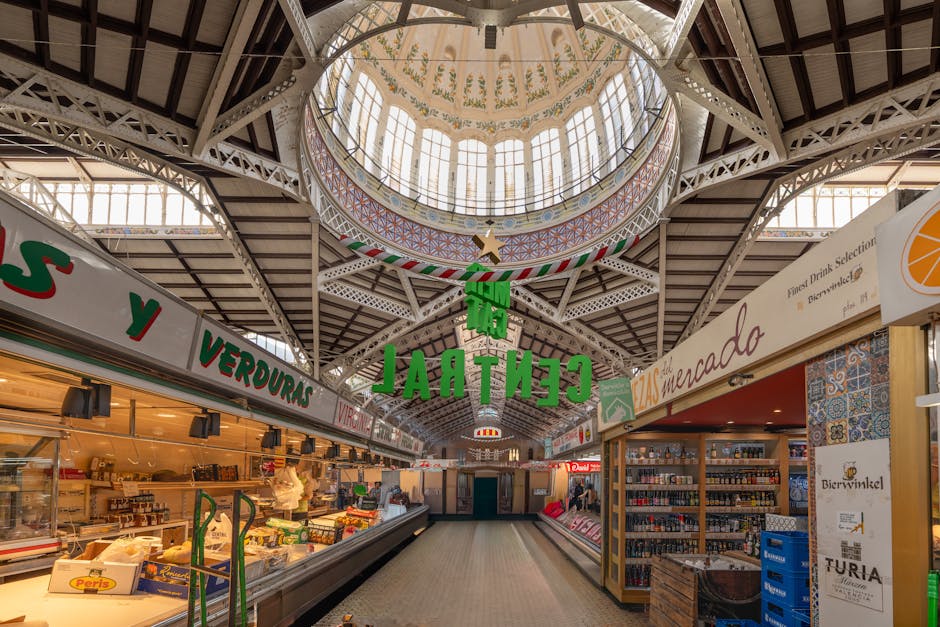
Start your day at Valencia’s Mercat Central, one of the largest covered markets in Europe, for a fresh, sensory immersion. Address: Plaça Ciutat de Bruges, s/n, 46001 València. Opening hours: open Monday to Saturday, typically 07:00–15:00 (closed Sunday). Arrive right at opening if you want to avoid the crowd and chat with vendors as they unpack the day’s arrivals; 09:00–11:00 is when the atmosphere buzzes the most.
Why here? The market is the city’s food heart: local fish (sardina, jurel), Albufera rice beside the rice stalls, juicy vegetables and citrus. Plan 1 to 2 hours. Inside, two recommended stops:
- Central Bar (Barra del Central / Central Bar by Ricard Camarena) — located inside Mercat Central, address: Mercat Central, Plaça Ciutat de Bruges, s/n, 46001 València. Hours: usually 08:00–16:00. Expect to pay between €3 and €12 for fresh tapas and small plates (reimagined canned tapas, tortillas, montaditos). Perfect for a coffee and croissant or a light tapa after wandering the stalls.
- Fruit stalls & takeaway horchata counters — buy seasonal fruit (clementines, pomegranates depending on the season) for €1–3 a portion. If you want to taste artisan horchata, head next to Horchatería Santa Catalina (Plaza de Santa Catalina, 6, 46001 València). Hours: 09:00–20:00. Prices: horchata ~€2.50–3.50, fartons (pastry for dipping) ~€1.40–2.
Practical tips: bring small change for counter purchases; haggle gently but respectfully with fishmongers if you’d like a small fillet to taste back home. Don’t buy pre-made paella here: rice doesn’t keep well if prepared too early. Instead, identify the rice (« arroz bomba » or « senia ») sold on the stalls; a 1 kg bag costs around €3–6 depending on quality. Afterwards, head up toward Mercado de Colón for a coffee break amid modernist architecture.
2) Lunch in Ruzafa and Authentic Tapas (250–450 words)
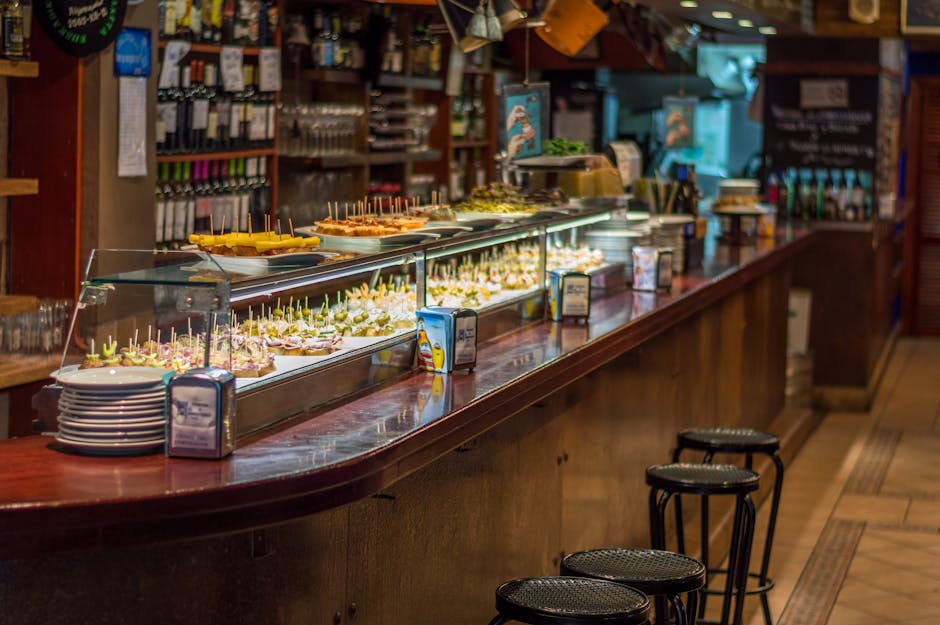
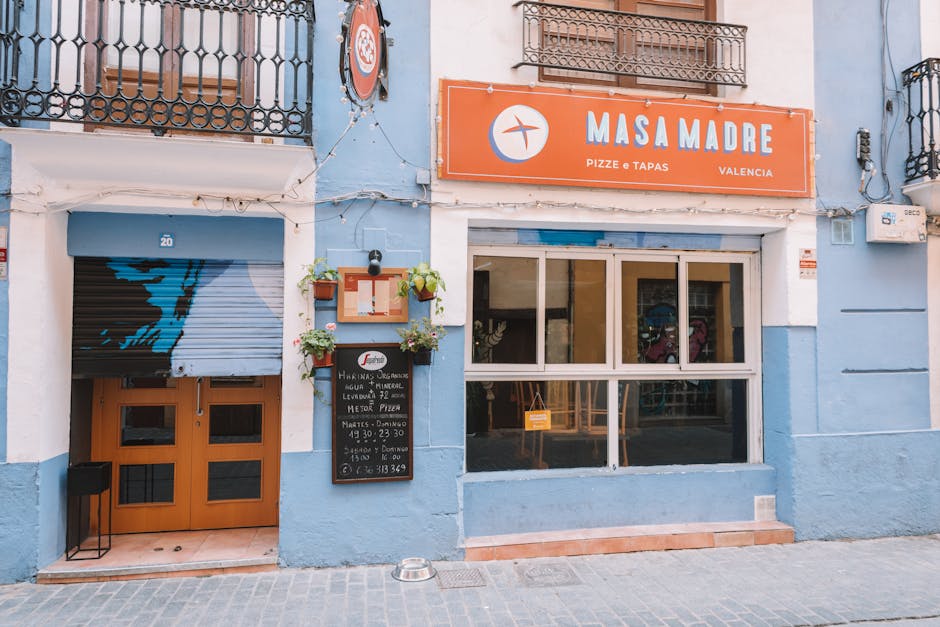
Ruzafa (Russafa) is Valencia’s bohemian neighborhood: narrow streets, small squares, tapas bars frequented by locals and neighborhood markets. For lunch, skip the tourist restaurants in the historic center and head to one of these modest but locally loved spots.
Recommended addresses:
- Casa Montaña — Calle José Benlliure, 69, 46011 València (technically in El Cabanyal but an excellent stop for fish and conservas). Hours: Tue–Sat 13:00–16:00 and 19:00–23:00; closed Sun and Mon. Prices: tapas €3–8, main courses €12–25. Specialties: conservas, fish tapas, Jerez wines and regional bottles (strongly recommended to reserve for dinner).
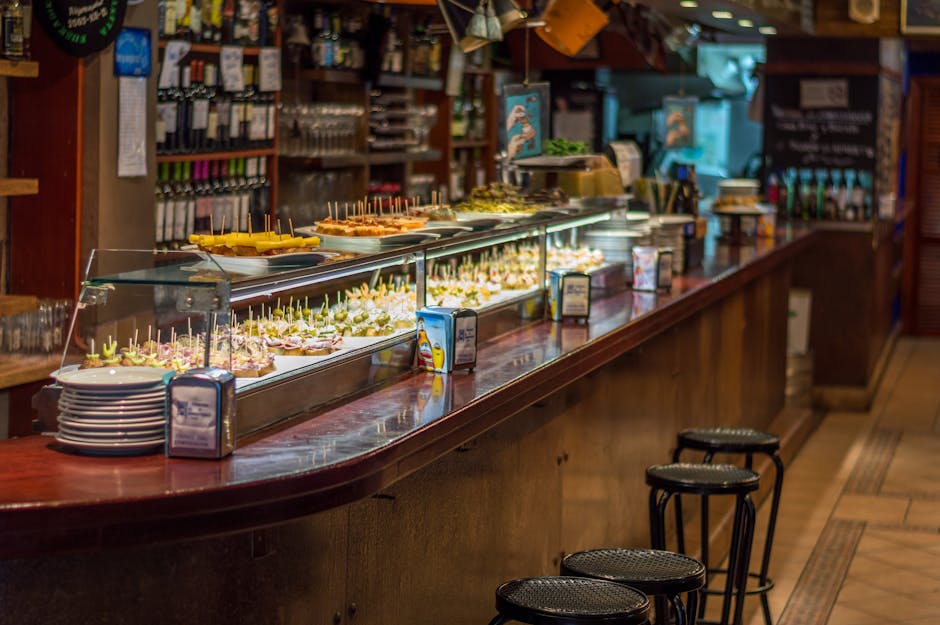
- Bar La Dolores / Traditional tavern (examples of neighborhood bars) — in Ruzafa you’ll find many bars offering tapas for €2–6 a portion. Look for places where the clientele is mostly local, typically between 13:00–15:30 for lunch. Average tapas meal (3–4 tapas + drink): €12–20 per person.
What to order: ask for « esgarraet » (roasted peppers with salted cod), « all i pebre » (a garlic-and-paprika sauce for eel — an Albufera specialty, sometimes offered in a milder form), « clóchinas » (Valencian mussels, in season) or assorted montaditos. Avoid paellas advertised in big letters: if a menu only lists paella in 2–4 person portions and explains it’s made to order, that’s usually a good sign; tourist places tend to prefer individual frozen portions.
Local tips: if you want a genuine paella, ask whether the rice is cooked « al dente » and how long it’s been sitting. True neighborhood restaurants will tell you if they make it to order and how long you’ll wait (usually 30–45 minutes minimum for a traditional paella, often longer for a Valencian-style paella served for a group). For a quick, authentic experience, order several tapas and a rice dish portion to share among 2–3 people.
3) Afternoon Sweets and Horchata at Santa Catalina, then Stroll El Carmen (250–450 words)
After lunch, head back down to the historic center and focus on two must-try experiences that visitors often misunderstand: real chufa horchata and local pastries, then explore the barrio del Carmen away from the tourist traps.
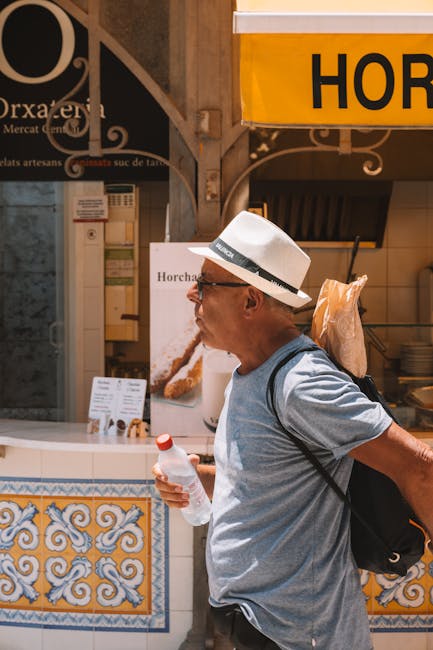
Horchata and fartons: Horchatería Santa Catalina (Plaza de Santa Catalina, 6, 46001 València) is a historic spot famous for its chufa horchata (a milky drink made from tiger nuts). Hours: roughly 09:00–20:00. Prices: horchata ~€2.50–3.50, a portion of fartons ~€1.40–2. How to recognize a good horchata? It’s fresh, slightly sweet but not gelatinous, and served cold. Industrial horchatas (often served in tourist bars) tend to be either too thin or overly sweet.
Desserts and pastries: nearby, try buñuelos (traditional donuts often served at All Saints’ Day but found year-round at some bakeries) or a coca de llanda (a soft sponge cake) at an artisan bakery; expect to pay €1–3 per serving depending on the place.
Stroll through El Carmen: then wander the barrio del Carmen (historic center). Reference point: Plaça del Tossal, 1, 46003 València. Avoid ultra-touristy squares where menus are displayed in multiple languages with photos (a classic tourist trap sign). Instead, look for small taverns tucked into alleys where the clientele is mostly local. Coffee prices: €1–1.80; a glass of local wine: €2.50–4 depending on the spot. The best finds come from checking the menus on site: local products, crafted tapas and small plates to share.
Practical tips: for a proper coffee-scented break, choose small neighborhood cafeterías (espresso €1–1.50). If you want to bring horchata home, ask for a sealed bottle or buy dried chufa at Mercat Central to make your own later (250 g–1 kg bag: €3–8 depending on quality).
4) Evening in Cabanyal/La Malvarrosa: Fish, Well-Crafted Paella and the Albufera (250–450 words)
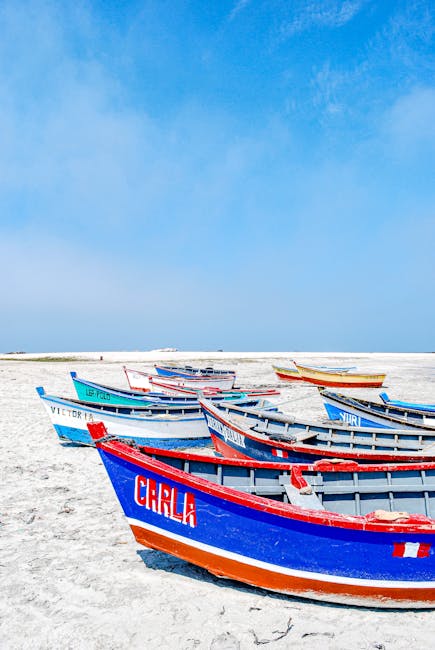
For the evening, head to the maritime neighborhood El Cabanyal and La Malvarrosa beach, but avoid the rows of beachfront restaurants that cater to tourists. Instead, favor historic taverns and restaurants known for respecting seafood.
Recommended spots:
- Casa Montaña (reminder, Calle José Benlliure, 69, 46011 València) — if you didn’t visit at lunch, it’s an excellent choice for conserved fish, tapas and wines. Prices: tapas €3–8, mains €12–25. Book for the evening.
- La Pepica — Paseo Neptuno, 6, 46011 València. Hours: 13:00–16:30 and 20:00–23:00 (seasonal variations). Prices: paella for 2–3 people €25–40 per portion depending on type (paella valenciana, seafood paella). Note: La Pepica is famous and draws tourists; however its rice dishes and history make it worth a visit if you reserve and steer clear of “photo-ready” plates — ask for a genuine paella cooked for you, respecting proper cooking time.
Albufera option (best for a full day): for a more authentic experience, travel to the Albufera Natural Park (El Palmar) and choose a village restaurant where paella is cooked over a wood fire or in a traditional paellera. General example: restaurants in El Palmar (along Av. de la Albufera). Prices: paella for 2–4 people €25–35 per person (often including starter and dessert). Hours: most open at noon and serve paella for lunch; some offer dinner by reservation. Transport: 25–40 minutes from the center by car/taxi or about 25–30 minutes by bus depending on the stop.
Anti-tourist tips: order paella in advance (the day before or the morning of) if you’re in a group; don’t fall for individual “tourist paellas”: a true Valencian paella is meant to be shared. If you want fresh fish, look for places that display the catches and let you choose — a sign of freshness. Ask for rice cooked « al dente » and respect the cooking times the chef gives you; don’t rush the preparation.
Conclusion — Final Tips and a Checklist to Avoid the Traps
To sum up this foodie route through Valencia while avoiding tourist traps, keep five simple principles in mind: favor markets and local counters over flashy façades; always ask if the paella is made to order and when it will be served; look for a local clientele (it’s often the best indicator of quality); taste seasonal specialties and learn a few culinary terms (horchata, fartons, esgarraet, fideuà, arroz a banda); and finally, book ahead for well-known restaurants — especially evenings and weekends.
Practical checklist:
- Mercat Central, Plaça Ciutat de Bruges, s/n, 46001 València — Hours: 07:00–15:00 (Mon–Sat). Budget: purchases €1–10 depending on items.
- Central Bar (Mercat Central) — Hours: about 08:00–16:00. Tapas €3–12.
- Horchatería Santa Catalina, Plaza de Santa Catalina, 6, 46001 València — Hours: 09:00–20:00. Horchata €2.50–3.50; fartons €1.40–2.
- Casa Montaña, Calle José Benlliure, 69, 46011 València — Hours: Tue–Sat 13:00–16:00 and 19:00–23:00. Tapas €3–8, mains €12–25 (reserve for evenings).
- La Pepica, Paseo Neptuno, 6, 46011 València — Variable hours, best to reserve. Paella €25–40 (shared portion).
Other tips: give feedback to local vendors — saying thank you in Spanish/Valencian (gràcies/gracias) is always appreciated. If you have dietary restrictions, communicate them clearly; most local places can adapt tapas or prepare a rice dish without shellfish if warned in advance. Tipping isn’t obligatory in Spain but leaving 5–10% in a good restaurant or rounding up the bill at a bar is a nice gesture to show appreciation.
Above all, stay curious: Valencian cuisine delivers surprises in alleyways and markets. The best souvenirs often come from a vendor at Mercat Central who recommended a cheese, or a tiny neighborhood bar that offered a family specialty. Enjoy your foodie trip to Valencia — and buen provecho, far from the tourist traps.