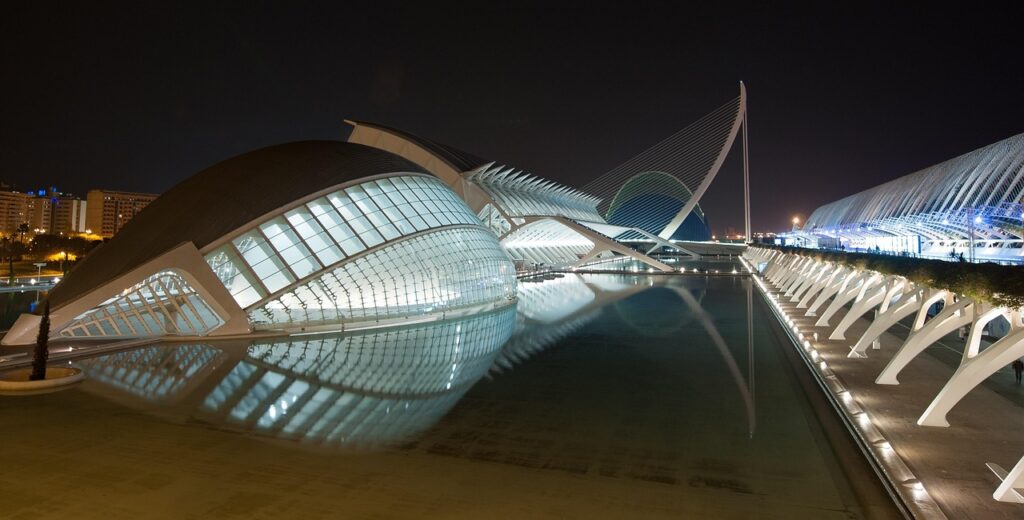




Introduction — Valencia in 12 Months: Climate Overview, Tips and Activities
Valencia (València in Valencian), sitting on Spain’s east coast in the Valencian Community, blends a mild Mediterranean climate, striking architecture and a lively local scene. This « Valencia in 12 Months » guide offers a month-by-month snapshot of temperatures, precipitation and recommended activities, including exact addresses, indicative prices in euros, typical opening hours and local tips to make the most of each visit depending on the season. Whether you love beaches, contemporary museums, strolling a city park or culinary experiences, Valencia has options year-round — though weather and crowds change a lot from January to December.
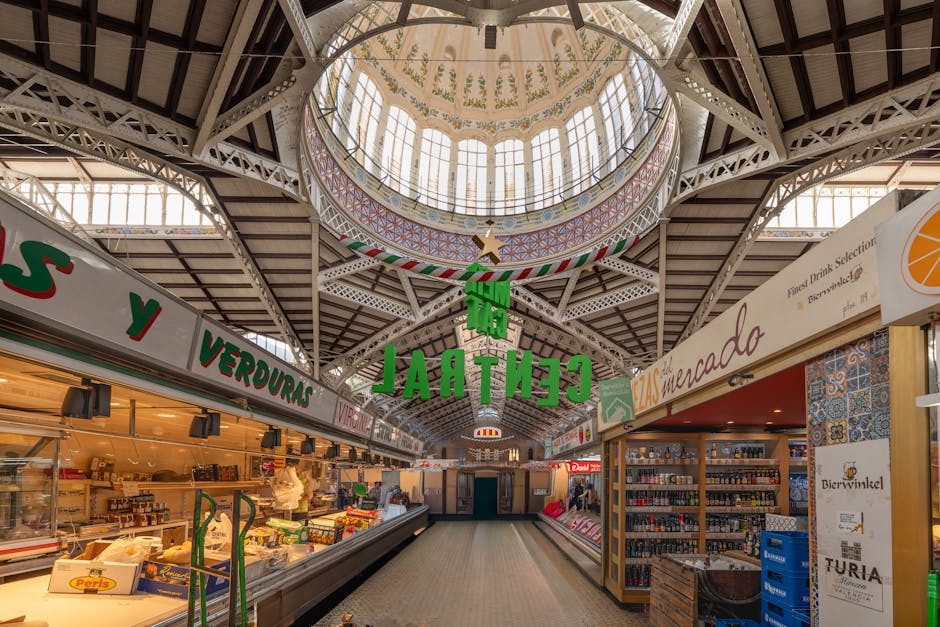
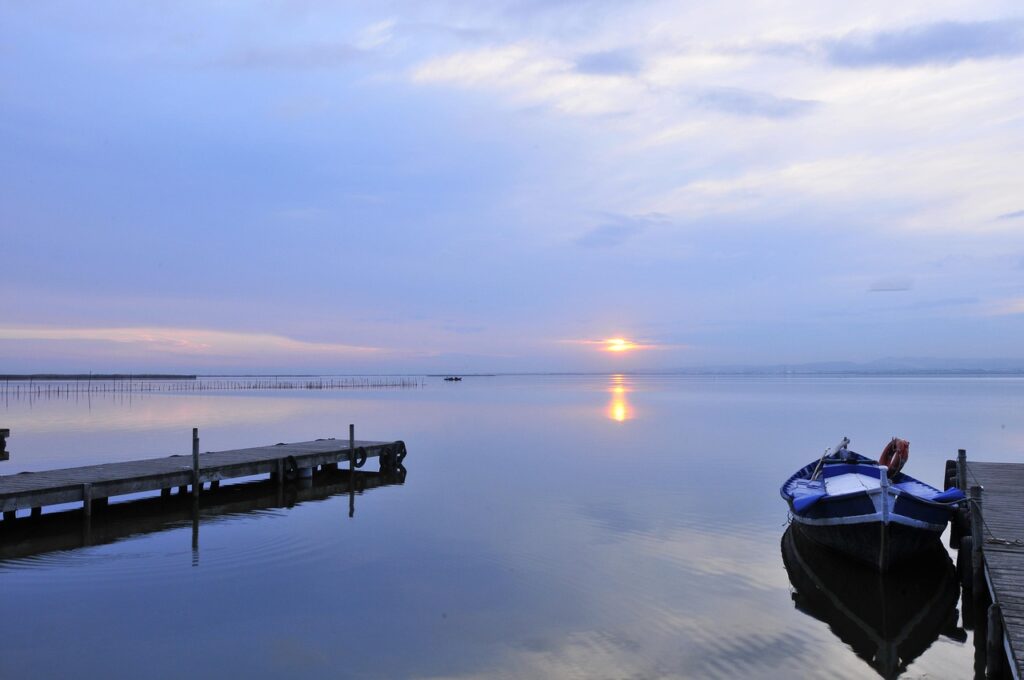
What you’ll find here: a detailed monthly weather summary (average daily temperatures, likelihood of rain), activity suggestions tailored to the weather and local events (Fallas in March, New Year’s Eve at the Marina in December, swimming in August), plus practical details: full names of places (museums, markets, parks), exact addresses, entrance fees and typical opening times. I also share local tips, such as the best hours to visit Mercado Central to avoid the crowds or how to take a boat on the Albufera for a spectacular sunset.
This guide is meant as a practical reference when planning your trip: book tickets for the Ciutat de les Arts i les Ciències in summer, check museums for closures during local holidays, and bring a light jacket in winter — nights can be cool even if days feel pleasant. Addresses, prices and opening hours are indicative and may change; it’s recommended to verify online before you travel. The numbered sections below correspond to the 12 months and provide, for each month, an immersive description of activities, must-see places and practical tips.
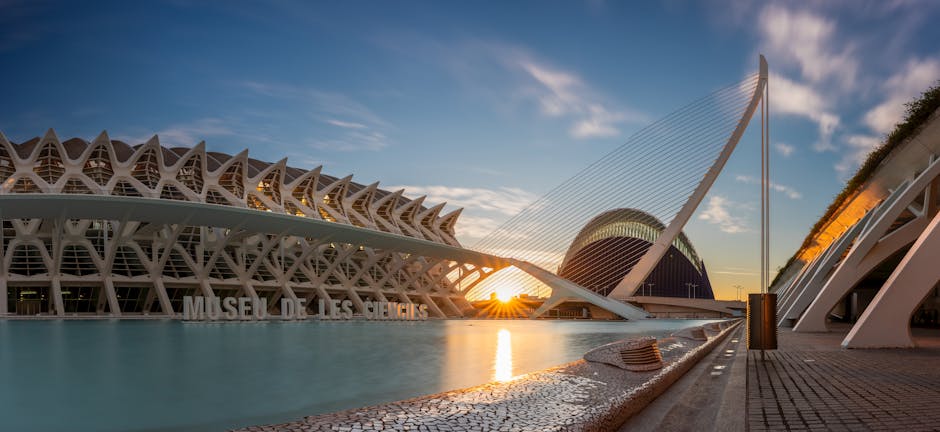
1. January — Mild Chill and Cultural Visits
Climate: January is one of the coldest months in Valencia, with average temperatures ranging from 6 °C at night to 15 °C in the afternoon. Precipitation is moderate: about 40–50 mm during the month, often as short showers. The Autan wind can make evenings feel cooler.
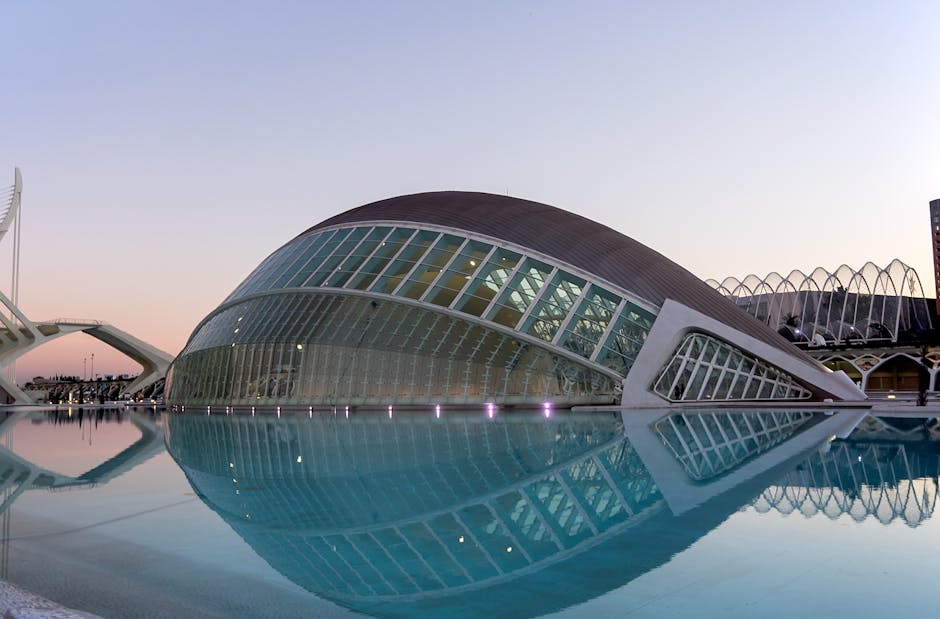
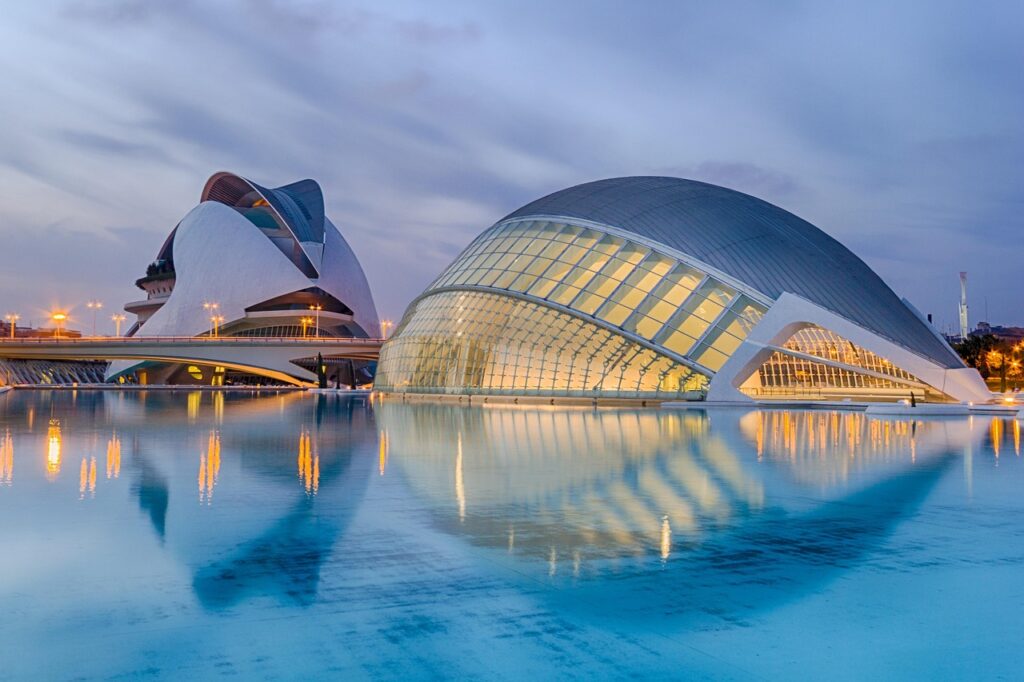
Recommended activities: This is a great time to explore museums and architecture without summer crowds. Visit the Ciutat de les Arts i les Ciències (City of Arts and Sciences) — Av. del Professor López Piñero, 7, 46013 València. Museu de les Ciències Príncipe Felipe (Science Museum): typical opening hours 10:00–18:00 (variable), indicative adult price €8–10, students €5–7. The complex includes the Hemisfèric (IMAX) — tickets around €8–9; check screening times on the official site.
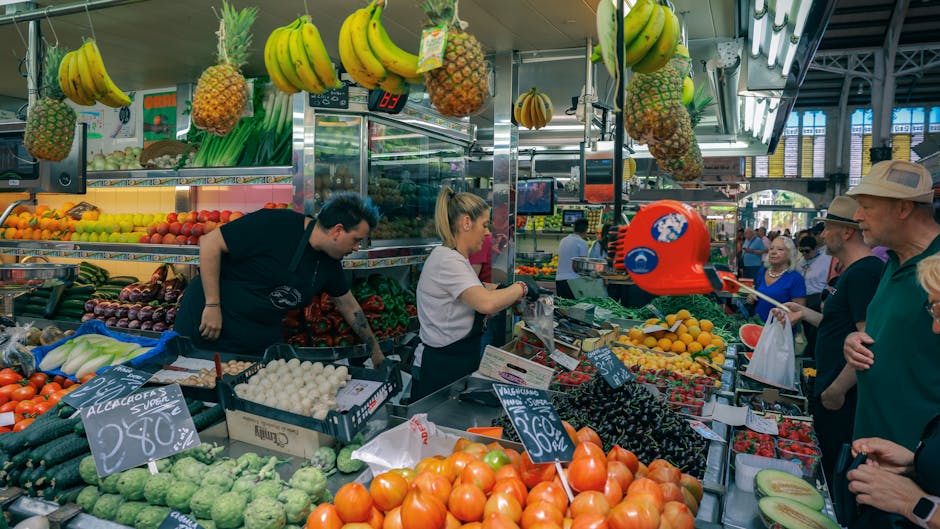
Other suggestions: Wander through Mercado Central — Plaça de la Ciutat de Bruges, s/n, 46001 València — generally open Monday to Saturday 07:30–15:00; perfect for trying horchata or buying fresh produce. Entry is free; budget €10–20 for a light meal at the market. Visit Valencia Cathedral — Plaza de la Reina, s/n, 46003 València — often open 10:00–19:00; entrance around €8 including access to the Miguelete tower, with an extra €2–4 for the climb depending on season.
Local tips: Bring a windbreaker — evenings near the Turia riverbed can be chilly. January is also a good month for enjoying tapas in traditional bars in El Carmen neighborhood (Carrer del Palau, 6; typical hours 12:00–16:00, 20:00–00:00). For a special meal, book Restaurante Casa Montaña, address Calle José Benlliure, 69, 46011 València — tapas €3–8 each, open 12:00–16:00 and 19:00–00:00.
2. February — Mild Days and the Lead-Up to Fallas
Climate: February often feels similar to January but slightly warmer: lows around 7 °C, highs about 16 °C. Rainfall stays moderate (40–50 mm). Days gradually get longer.
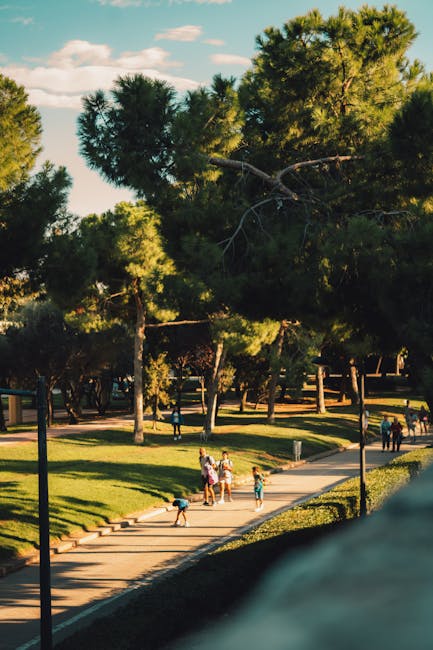
Recommended activities: Museum season continues, but you can start enjoying walks along the Jardí del Túria (Turia Garden), the large linear park that runs through the city. Main access from the Pont de les Arts (Passeig de la Petxina). The park is open at all times and free; great for cycling (rentals roughly €6–12/day) and jogging.
Events: Late February marks the setup period for Fallas; some artists’ workshops (talleres de falla) are open to visitors. For an immersive experience, head to Plaza del Ayuntamiento (Plaça de l’Ajuntament, s/n, 46002 València) to see scale models; free entry. Themed guided tours like « Fallas Workshops Tour » usually cost €10–20 per person depending on the operator.
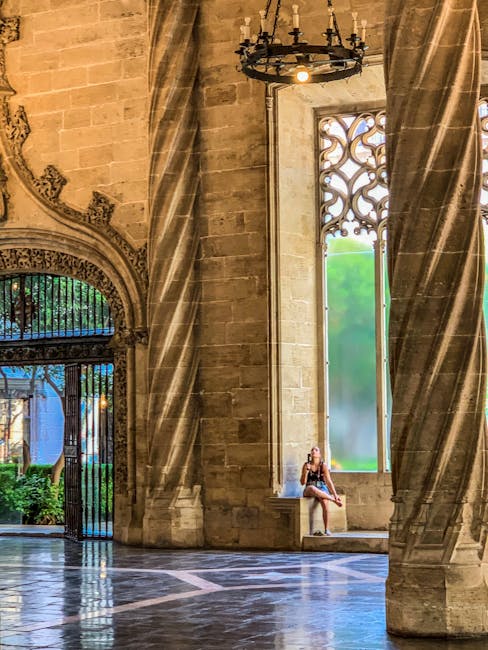
Places to visit: La Lonja de la Seda (La Lonja de la Seda de Valencia) — Calle de la Llotja, 2, 46001 València — a UNESCO World Heritage site; typical hours 10:00–19:00, entrance €2–3; a stunning Gothic hall, perfect for interior photos. In the evening, dine at Canalla Bistro (Carrer del Dr. Sumsi, 10, 46001 València), dishes €12–25, open 13:30–16:00 and 20:00–23:00.
Local tips: February can be great for short trips to the Albufera Natural Park. Paella stalls in the village of El Palmar are still quiet; boat trips from the El Palmar landing cost about €4–8 per person, with schedules roughly 09:00–18:00 depending on the season.
3. March — Fallas: Social Heat and Variable Weather
Climate: March brings steadily warming temperatures: about 9 °C at night to 18 °C during the day. Rainfall is irregular (40–60 mm); showers may be followed by sunny spells. Winds from the west (poniente) or east (levante) can affect conditions.
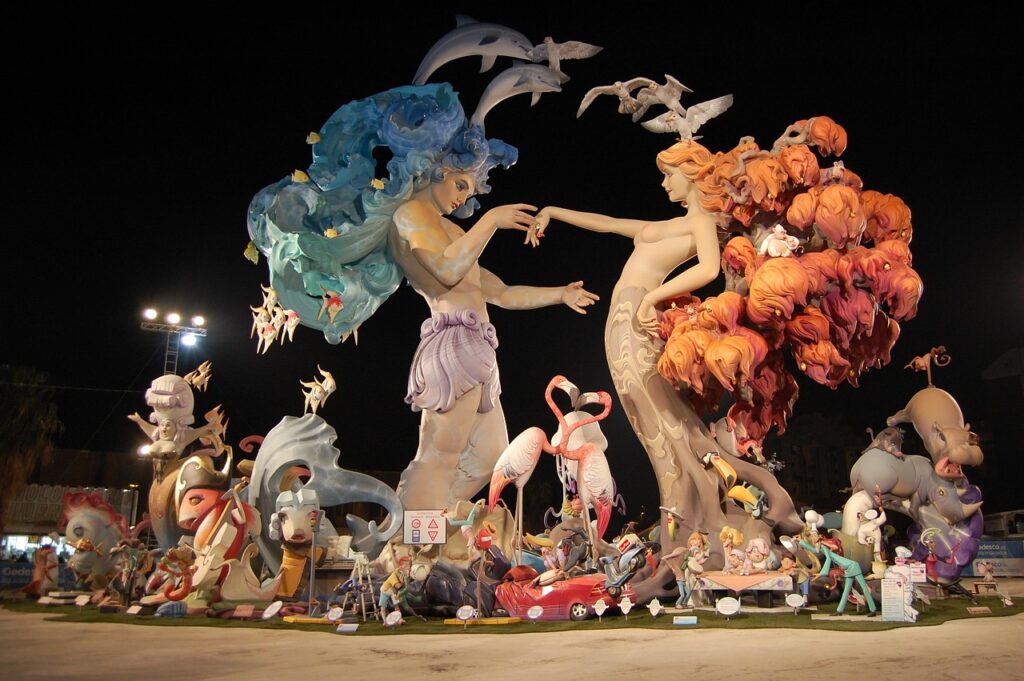
Activities and events: March is Fallas month — Valencia’s most iconic festival. Key dates are around March 15–19, peaking on March 19 with the Cremà (burning) of the fallas. To see parades and the mascletàs (loud daytime pyrotechnic displays), head to Plaza del Ayuntamiento (Plaça de l’Ajuntament, s/n, 46002 València). The mascletàs take place at 14:00 each day during the central week; they’re free but very crowded — arrive early (10:00–12:00) to secure a good spot.
Complementary visits: Between events, explore the Ciutat Vella: Valencia Cathedral (Plaza de la Reina, 46003) and the Torres de Serranos (Plaça dels Furs, s/n, 46003) — towers are often open 10:00–19:00; entries €2–4. Wander the El Carmen neighborhood to admire street fallas, artisan shops and cafés.
Practical tips: Book accommodation and transport well in advance (prices rise sharply during Fallas). Museums like the Museu de Belles Arts de València — Calle de Sant Pius V, 9, 46010 València — typically open 10:00–20:00; entry €3–6. For dinner, try a traditional paella at Restaurante L’Estimat, Calle de la Reina, 26 — main dishes €12–20, open 13:00–16:00 and 20:00–23:00. If you’re near Plaza del Ayuntamiento for the mascletàs, consider ear protection as the noise is intense.
4. April — Spring, Flowers and Coastal Walks
Climate: April is mild and pleasant: temperatures between 11 °C and 20 °C, with rainfall decreasing (30–40 mm). Sunny days become dominant, making outdoor activities ideal.
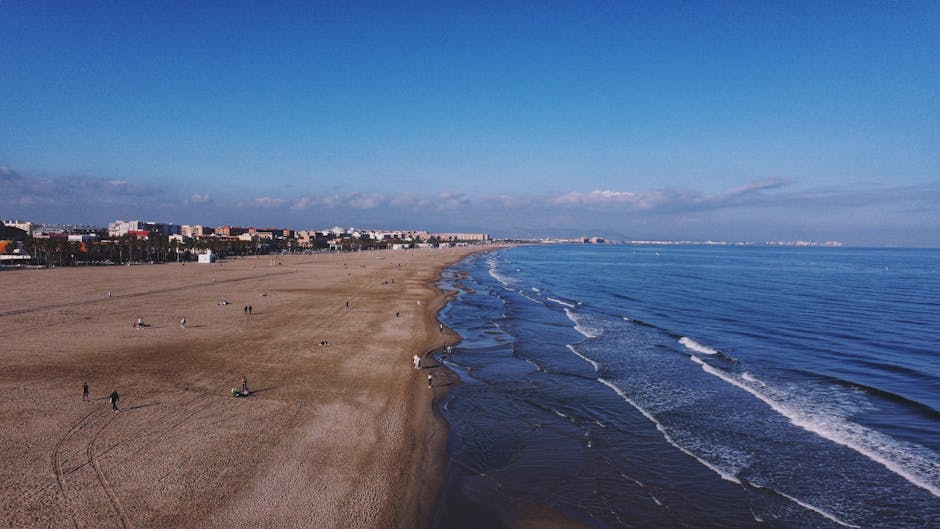
Recommended activities: Walks along Malvarrosa Beach (Playa de la Malvarrosa, Passeig de la Malvarrosa, 46011 València): golden sand and seaside cafés. The Marina de València (Marina Real Juan Carlos I, Moll de la Barceloneta, s/n, 46024 València) offers waterfront restaurants and promenades; parking and public access are free, restaurants open roughly 12:00–00:00. April is also a great time to explore the Albufera: boat landings at El Palmar — El Palmar, 46012 — sunset boat trips (30–60 min) cost about €4–10 per person, with spring schedules around 17:00–20:00.
Culture and museums: Museu de les Ciències and the Palau de les Arts Reina Sofía (Av. del Professor López Piñero, 4, 46013 València) start offering more outdoor performances. Bioparc Valencia (Avinguda Pío Baroja, 3, 46015 València) is ideal for a family day — hours roughly 10:00–19:00 depending on season, adult entrance about €24, with discounts for children and seniors.
Local tips: April is perfect for sampling regional produce at Mercado de Colón (Carrer de Jorge Juan, 19, 46004 València); cafés and restaurants open from about 09:00 and stay lively throughout the day. To avoid beach crowds, go on weekdays early in the morning. Bring a light jacket for evenings, especially by the sea.
5. May — Full Spring, Festivals and Day Trips
Climate: May is one of the best months: temperatures around 14–23 °C, low rainfall (20–30 mm). Lots of sunshine and pleasant nights encourage outdoor activities.
Recommended activities: Gardens and open spaces are in bloom — enjoy the Jardí del Túria for cycling and picnics. It’s also an ideal time for an electric-bike trip to the Ciudad de las Artes y las Ciencias (Av. del Professor López Piñero, 7). Bike rental options include Valenbisi stations or private shops around the park, rates €6–15/day.
Events and culture: Small local festivals and street fairs take place in May. Visit Mercado Central in the morning for fresh produce and tastings (open 07:30–15:00). For an evening of music, check the Palau de la Música programme (Palau de la Música de Valencia, Calle de la Paz, 18, 46003); tickets €12–60 depending on the concert, times usually 19:00–22:00.
Food: This is asparagus and citrus season. Book a table at Restaurante Navarro (Carrer de les Barques, 27, 46003) for contemporary Valencian cuisine; starters €10–18, main dishes €15–30. For an authentic local experience, take bus line 25 or 40 to El Palmar for paella by the Albufera: dishes €10–18 per person, open 13:00–16:00.
6. June — Early Summer, Beaches and Long Evenings
Climate: June marks the start of summer: temperatures 18–27 °C, rain is rare (15–25 mm). Long sunny days and strong sun; humidity can gradually increase.
Recommended activities: Summer is kicking off: swim at Malvarrosa or Las Arenas beaches. Beaches are accessible 24 hours, but lifeguard services are typically fully active (usually 10:00–19:00 in high season). Try water sports at Marina Real Juan Carlos I: paddleboard or catamaran rentals roughly €15–40/hour depending on activity.
Culture and nightlife: June brings terrace nights in Ruzafa (Carrer del Denia area) or El Carmen. Recommended bars: Café de las Horas, Plaza del Rosario, 3, 46001 — cocktails €8–12, open 12:00–02:00. Book night tours of the Torres de Serranos (Plaça dels Furs) to enjoy city views at sunset (guided tour fees €5–10).
Local tips: Stay hydrated and avoid the hottest hours (13:00–16:00) for long city visits; opt for museums or an afternoon siesta. Reserve tables in advance for popular restaurants. If you plan to visit the Ciudad de las Artes y las Ciencias, buy tickets online to skip the queue — combined museum + Hemisfèric tickets around €15–18.
7. July — High Summer: Sea, Street Festivals and Busy Tourism
Climate: July is hot and dry: averages 22–31 °C, with higher peaks during heat waves. Rain is rare (10–15 mm). Coastal humidity is noticeable but sea breezes often cool afternoons.
Recommended activities: Beach time, water sports and coastal boat trips. Tourist ferries often depart from Port of Valencia (Marina Real Juan Carlos I) for short cruises; prices €10–25 per person depending on duration. Book early: July sees heavy demand, especially on weekends.
Cultural outings: Visit Bioparc early in the morning to avoid the heat (Avinguda Pío Baroja, 3); adult tickets around €24. In the evenings, enjoy Mercado de Colón terraces (Carrer de Jorge Juan, 19) or tapas bars in Ruzafa. For a classic seaside meal, Restaurante La Pepica (Paseo Neptuno, 6, 46011 València) on the beach — mains €15–30, open 12:00–00:00; reserve a terrace spot.
Practical tips: Wear a hat and sunscreen (SPF 30+), drink often. If heat is extreme, plan cultural visits for the morning and sea activities for the afternoon. Public transport runs frequently; a metro/tram travel card can be economical for multiple trips (single fares €1.5–2.0 depending on journey).
8. August — Heatwaves, Beaches and Mountain Getaways
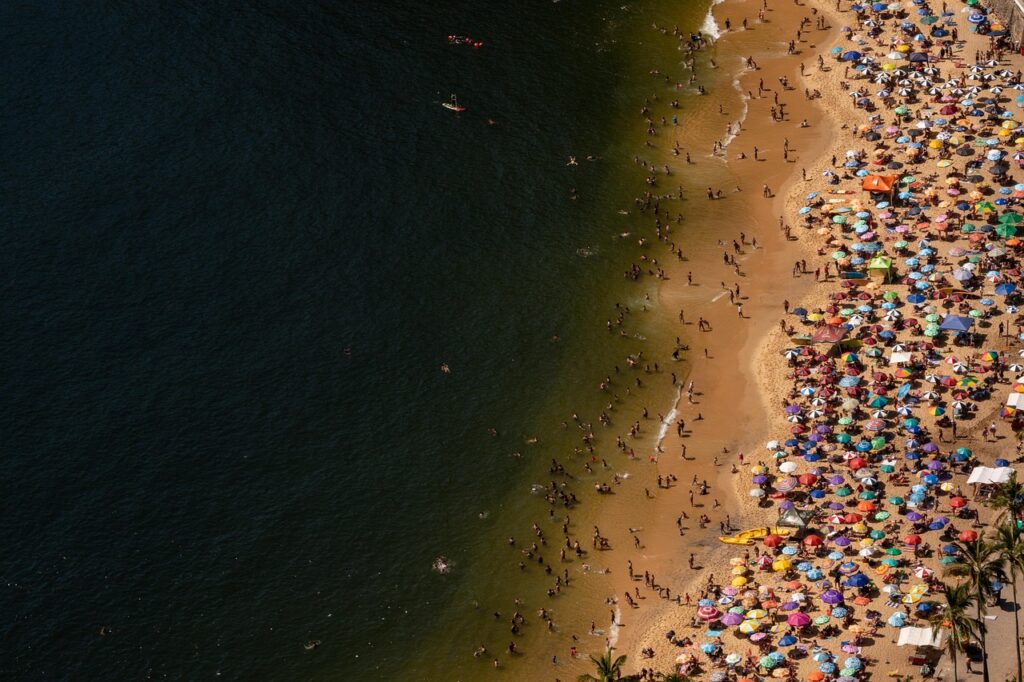
Climate: August is often the hottest month: average 24–33 °C, with peaks above 35 °C during heatwaves. Rainfall is very scarce, humidity varies.
Recommended activities: Beach time in the morning and evening; between 13:00 and 17:00 prefer pools, air-conditioned museums or a siesta. Families enjoy the Oceanogràfic (Av. Eduardo Primo Yúfera, 1B, 46013 València) — hours 10:00–20:00 variable, adult tickets roughly €31–35, with child discounts and online combo offers.
Recommended excursions: To escape the heat, nearby mountains like Serra Calderona (Parc Natural de la Calderona) offer hikes 30–45 minutes by car away. Suggested hike: PR-V 262 starting from Serra (parking available); allow 2–4 hours, bring water and a hat.
Tips and dining: Avoid walking during the hottest hours; choose air-conditioned restaurants. For a seaside meal, Restaurante Casa Carmela (Avenida de Neptuno, 6, 46011) serves home-style paella: dishes €14–22, open 12:00–16:00 and 20:00–23:00. Reservations are recommended, especially for dinner.

9. September — Return to Mild Weather and Local Harvests
Climate: September is very pleasant: temperatures 20–28 °C, a gradual cooling after summer, moderate rain (20–30 mm). The sea remains warm, ideal for swimming.
Recommended activities: Enjoy the beach and a calmer sea after August. It’s a perfect month for cultural visits: the Ciutat de les Arts i les Ciències is less crowded; typical hours 10:00–20:00, tickets €8–18 depending on exhibitions and combos. Markets return to normal pace after summer; try Mercado Central stalls for seasonal fruit and seafood.
Excursions: September is ideal for wine trips inland in the Valencia DO: wineries around Requena (Requena-Utiel, about an hour by car). Many bodegas offer guided tours and tastings: prices €8–20 depending on the visit; hours 10:00–14:00 and 16:00–19:00 by appointment.
Local tips: September combines great weather with cultural reopening events; book shows at the Palau de les Arts (Av. Professor López Piñero, 1) and check schedules. Evenings stay pleasant for dining on terraces; try El Rall (Carrer de la Boqueria, 13) in the historic center, mains €10–22.
10. October — Autumn Colors and Urban Strolls
Climate: October brings cooler temperatures: 14–23 °C, with slightly more frequent rain (40–50 mm) — long sunny days can alternate with wet spells. The air is pleasant and the trees in the Turia take on autumnal hues.
Recommended activities: City walks and museums; October is perfect for exploring the old town without summer heat. Climb the Miguelete (Valencia Cathedral, Plaza de la Reina) for panoramic views: hours 10:00–19:00, combined entry usually €8–10. Also visit La Lonja de la Seda (Calle de la Llotja, 2) — entry €2–3.
Nature trips: Mild days are ideal for Albufera nature walks and bike rides in the wetland. Boat rides at El Palmar cost €4–10, with schedules 09:00–18:00 depending on weather. October’s evening light makes sunsets especially photogenic.
Local tips: Carry a small folding umbrella. For traditional dining, reserve Restaurante Navarro (see May for details) or enjoy churros with chocolate in historic cafés around Plaza de la Virgen. Covered markets offer seasonal produce (mushrooms, squashes); perfect for cooking in an apartment or sampling tapas.
11. November — Cooler Temperatures and a Cultural Month
Climate: November gets cooler: 9–18 °C, with more frequent rain (45–60 mm). Days shorten and the city takes on a cozy vibe, perfect for cafés and museums.
Recommended activities: Visit museums and galleries. Museu de Belles Arts de València (Carrer de Sant Pius V, 9) is an excellent autumn option: open 10:00–20:00, entrance €3–6. It’s also a good time to attend concerts at the Palau de la Música or shows at the Teatre Principal (Plaça del Teatre Principal, s/n) — tickets generally €10–40 depending on programming.
Food: November calls for heartier dishes: Valencian rice, beef preparations and hot tapas. For a warm dinner, try Restaurante El Poblet (Carrer de Correus, 8); tasting menus from €45–70 (reservation recommended), dinner service 20:00–23:00.
Practical tips: Bring a waterproof jacket and plan activities around weather forecasts. November is less touristy: a great time to visit popular sites (Mercado Central, La Lonja) without queues. Public transport remains reliable; use the metro or tram for longer trips.
12. December — Festivities, Lights and Festive Atmosphere
Climate: December is cool but rarely freezing: temperatures 6–15 °C, moderate rainfall (40–50 mm). Nights can be chilly, but festive decorations brighten central neighborhoods.
Recommended activities: Enjoy Christmas markets and the lights in the historic center, especially around Plaza del Ayuntamiento. There are often pop-up ice rinks and craft markets depending on the year. The Marina and seaside restaurants stay open: late dinners around 21:00–23:00 are common during the festive season.
Events: New Year’s Eve is celebrated with gatherings at the Marina Real and dinners at waterfront restaurants. Many places offer special New Year’s menus (€40–100 per person). For a local experience, book a New Year’s Eve table at a traditional spot like Casa Montaña (Calle José Benlliure, 69) — menus and prices vary; early booking several weeks ahead is recommended.
Local tips: Pack warm layers and plan reservations in advance for winter bookings: restaurants and some attractions may have reduced hours on December 24–25. Museums often feature temporary exhibitions in December; check official sites for special hours and closures. For a final panoramic view of the lit city, climb the Torres de Serranos (Plaça dels Furs) at sunset.
Conclusion — Planning Your Valencia Trip Throughout the Year
Valencia is a versatile destination that changes with the seasons: mild winters perfect for museums, ideal spring and autumn for strolling and tasting local produce, and intense summers focused on the sea and water activities. This month-by-month guide helps you pick the right time based on your interests: cultural festivals (Fallas in March), beaches and water sports (June–August), nature escapes to the Albufera and nearby mountains, or leisurely culinary walks through covered markets like Mercado Central (Plaça de la Ciutat de Bruges, s/n).
Final practical tips: book tickets and accommodation for busy periods (Fallas, August); buy combined online tickets for Ciutat de les Arts i les Ciències and Oceanogràfic to save time; opt for morning or late-afternoon visits to avoid summer heat. Always carry a small amount of cash for local markets; many places accept cards, but some small stalls prefer cash.
Useful addresses and resources recap: Ciutat de les Arts i les Ciències — Av. del Professor López Piñero, 7, 46013 València (tickets €8–18 depending on exhibition, hours variable), Mercado Central — Plaça de la Ciutat de Bruges, s/n, 46001 València (open 07:30–15:00), La Lonja de la Seda — Calle de la Llotja, 2, 46001 València (entry €2–3, 10:00–19:00). Always check official sites for updated hours and prices.
Finally, embrace the Mediterranean pace: sip an horchata, taste an authentic paella in El Palmar, stroll in the sun along Malvarrosa and end the day in a tavern in El Carmen. Valencia reveals itself differently each month — this guide will help you make the most of your visit, whatever time of year you choose to come.