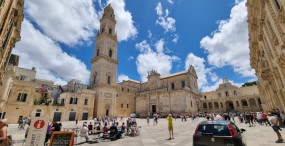




Introduction: Gluten-Free Valencian Cuisine — a sensory journey through Valencia
Valencia is a city where sun, sea and land meet on the plate. Its culinary heritage is rich: paella, fideuà, arròs al forn, horchata and citrus-based specialties. For people with gluten intolerance or celiac disease, eating in Valencia can feel intimidating at first. Yet traditional Valencian cooking is largely built around rice, seafood, vegetables and local produce — all ingredients that can be gluten-free when handled properly. This article is a practical, detailed and immersive guide to help you discover the region’s must-try dishes, spot reliable places to eat, and enjoy Valencia worry-free.
We’ll cover: iconic dishes that are naturally gluten-free or easy to adapt, restaurants and markets where you can try them, exact addresses with opening times and price ranges, plus local tips to avoid cross-contamination. You’ll find recommendations across different neighborhoods of Valencia — from Ciutat Vella to the Malvarrosa beaches — so you can plan street-food bites, sit-down lunches or more refined dining experiences.
This guide takes a realistic and cautious approach to food safety for celiacs: it explains when to ask for adaptations, how to phrase your requests in Spanish or Valencian, and which questions to ask staff. Valencia’s food scene has evolved: many traditional places now work with gluten-free suppliers or offer specific menus. However, the reality is that traditional cooking methods — using broths, frying or flours — can still pose risks. We’ll tell you not only where to eat, but also how to order to minimize those risks.
Finally, this guide includes practical tips for buying gluten-free products at the Central Market, finding gluten-free pastries, and choosing safe street-food options during festivals like Las Fallas. If you want to photograph your meals, every section gives visual cues to help you capture a dish or a spot. Note the addresses and opening hours we list, but always verify in real time (by phone or official site): hours and prices can change, especially in high season.
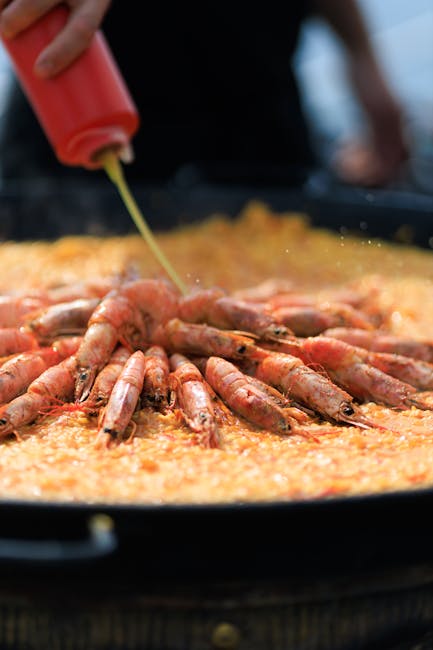
Valencian dishes that are naturally gluten-free (or easily adaptable)
Rice is the foundation of Valencian cuisine; that works in favor of people avoiding gluten. Here’s a detailed selection of dishes you’ll encounter in Valencia, what they contain, how to ask for a gluten-free version, and what to check before ordering.
Paella valenciana / Arroz a banda / Arròs a la marinera
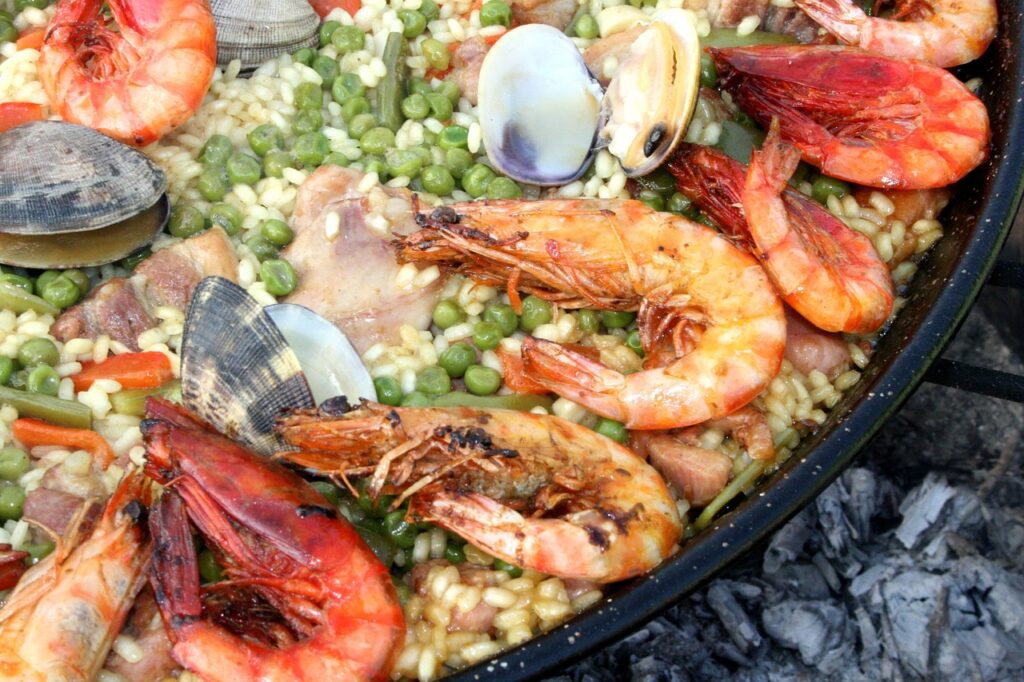
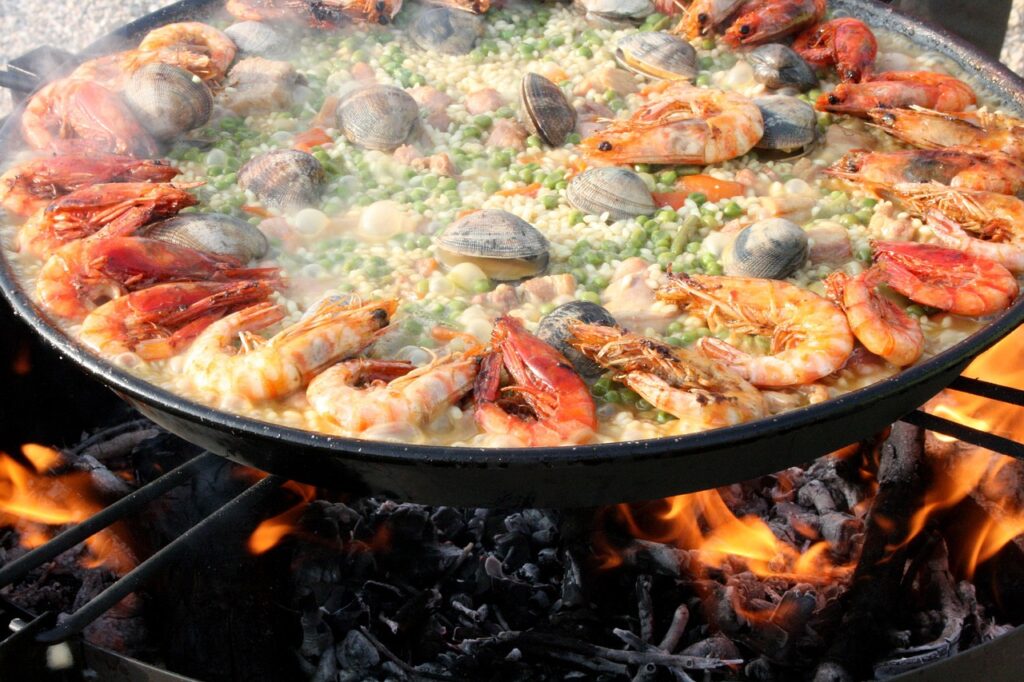
The paella is the region’s emblem. The traditional Valencian version (paella valenciana) features rice, chicken, rabbit and sometimes green beans, while the seafood versions (arroz a banda, arròs a la marinera) include fish and shellfish. Rice itself is naturally gluten-free, but the risk comes from broths (fumets) made with ingredients that contain gluten or from industrial seasonings (sauces, stock cubes).
- How to order: say « sin gluten » and specify « sin caldo o con caldo casero sin gluten » (no industrial broth or with homemade gluten-free broth). In reputable casas de paella, you can ask for a homemade broth made with water, vegetables and fish, without gluten-containing additives.
- Price guide: individual paella €18–28; family paella (for 2–4) €35–70 depending on the restaurant and ingredients (seafood or meat).
- Risk: cross-contamination if the paella is cooked on the same heat source or served with shared towels/utensils. Ask for clean utensils.
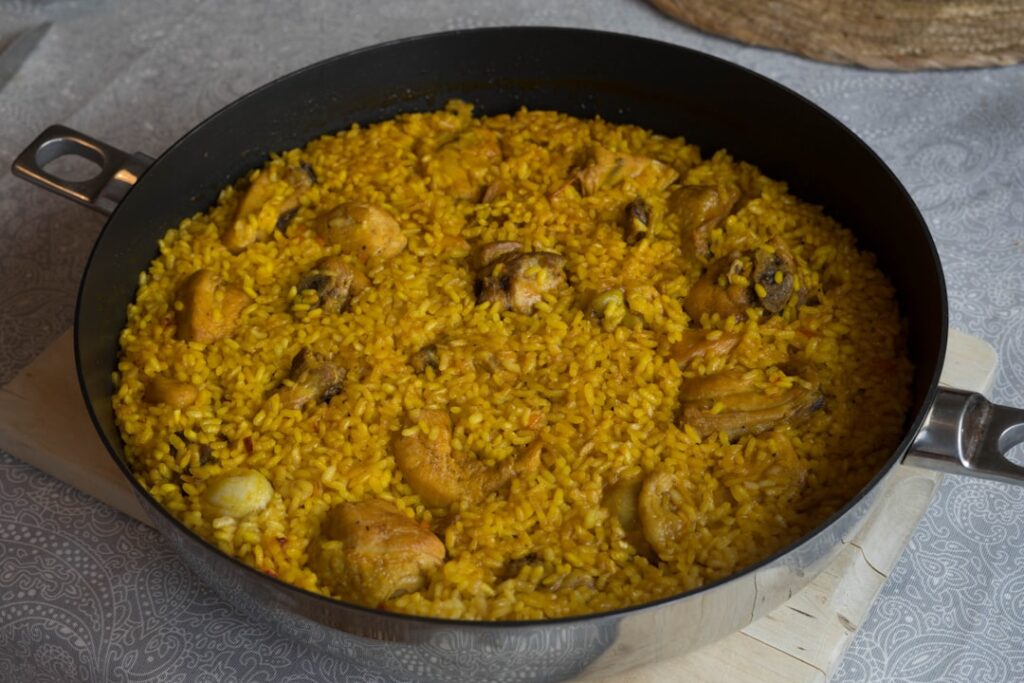
Fideuà (a variant to avoid or adapt)
The fideuà is a paella-like dish made with short noodles (fideos) instead of rice. By definition it contains gluten. Sometimes restaurants can offer gluten-free pasta alternatives but that’s not common. Only order it if the place clearly states they serve fideos without gluten.
- How to order: ask « ¿tienen fideuà sin gluten? » and insist on seeing the packaging or how it’s prepared.
- Price guide: €16–24 per portion if available.
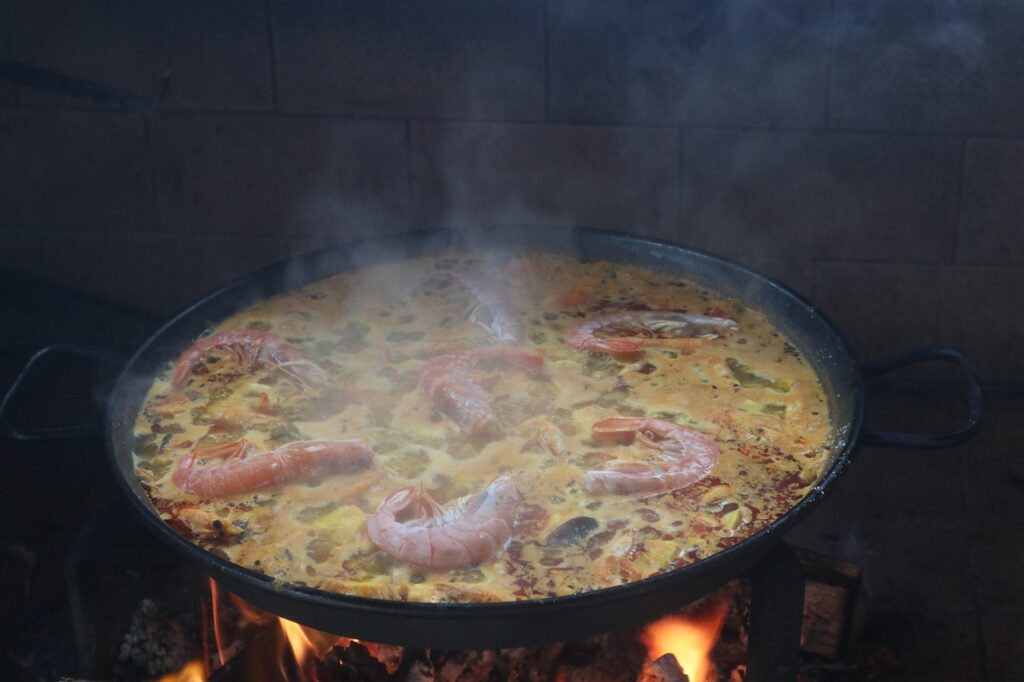
Arròs al forn, arròs negre, and other rice dishes
Dishes like arròs al forn (baked rice) and arròs negre (black rice with cuttlefish ink) are usually rice-based and therefore gluten-free; however, watch out for chorizo, flours used in certain sauces, or crunchy toppings made with breadcrumbs. Cuttlefish ink and seafood are naturally gluten-free. Always ask for the ingredient list if you have sensitivities.
- Price: €12–22 per portion depending on the garnish.
- Tip: to be safe, request the dish be prepared « con ingredientes sin gluten ».
[[IMAGE:Arroz al horno Valencia traditional dish at family restaurant]]
Tapas and small plates
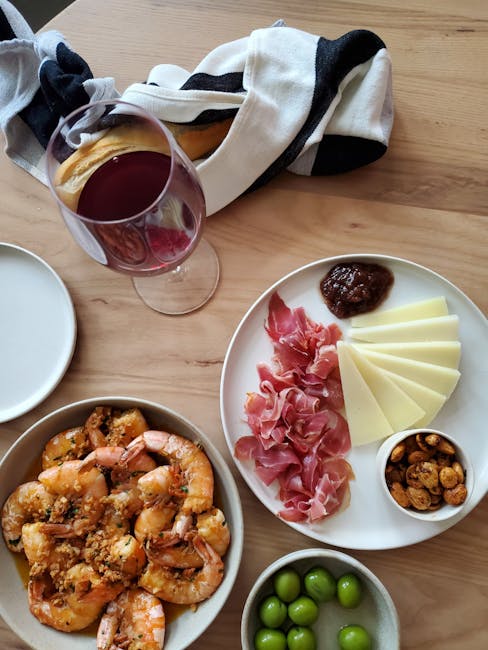
Tapas can be tricky if they include pan (bread), rebozados (breading) or thickened sauces. On the other hand, many tapas are naturally gluten-free: garlic prawns, marinated anchovies, aliñadas tomatoes, espetos (fish skewers), grilled vegetables, gazpacho (check thickeners).
- Key question: « ¿Este plato contiene harina o está rebozado? » (does this dish contain flour or is it battered?)
- Price: individual tapas €3–8; a selection for two typically €15–30.
Horchata and fartons
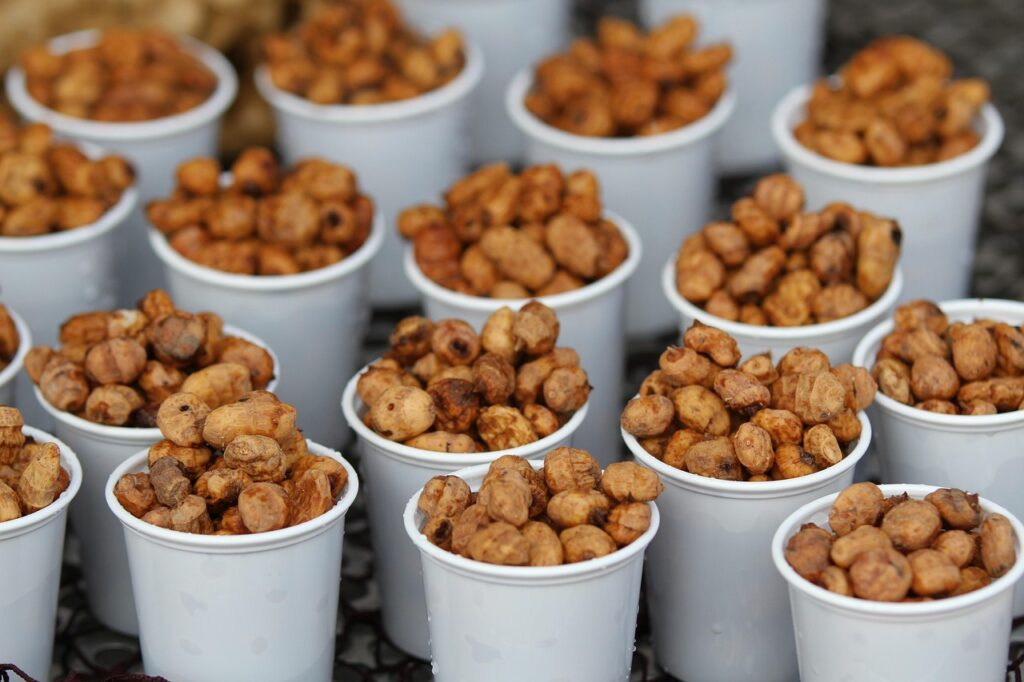
Horchata de chufa (a cold drink made from tigernuts) is a Valencia staple. The drink itself is gluten-free. Fartons (elongated pastries for dipping) are usually made with wheat flour — avoid them. Fortunately, many horchaterías and artisanal shops now offer gluten-free alternatives (fartons without gluten, cookies or dry biscuits).
- Price: glass of horchata €1.50–3.50; gluten-free fartons €2–4 depending on the shop.
- Tip: enjoy your horchata with migas sin gluten or tell the cashier « sin gluten ».
Where to eat in Ciutat Vella: markets, small spots and reliable restaurants
Ciutat Vella (the historic center) concentrates markets, tapas bars and traditional restaurants — a great starting point for gluten-free travelers. Here’s a selection of places where knowledge of local products and attention to allergies is often better.
Mercado Central (Mercat Central)
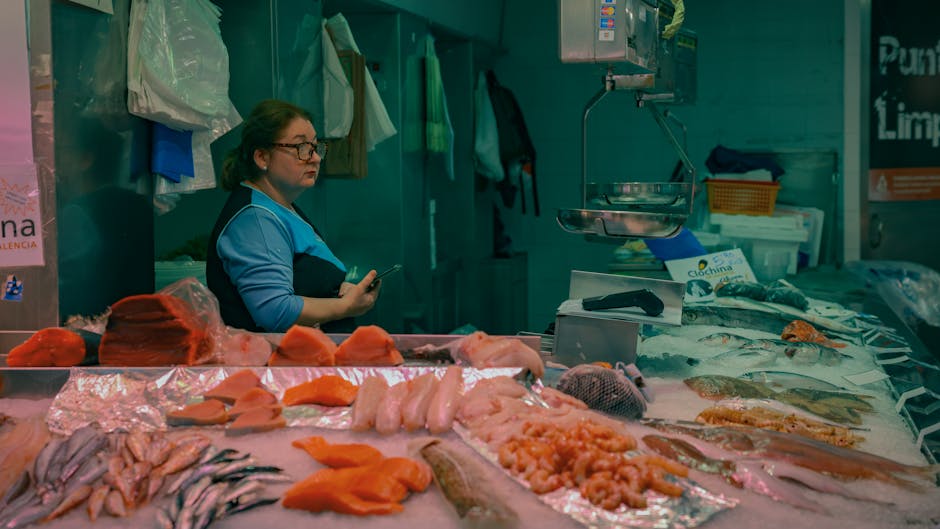
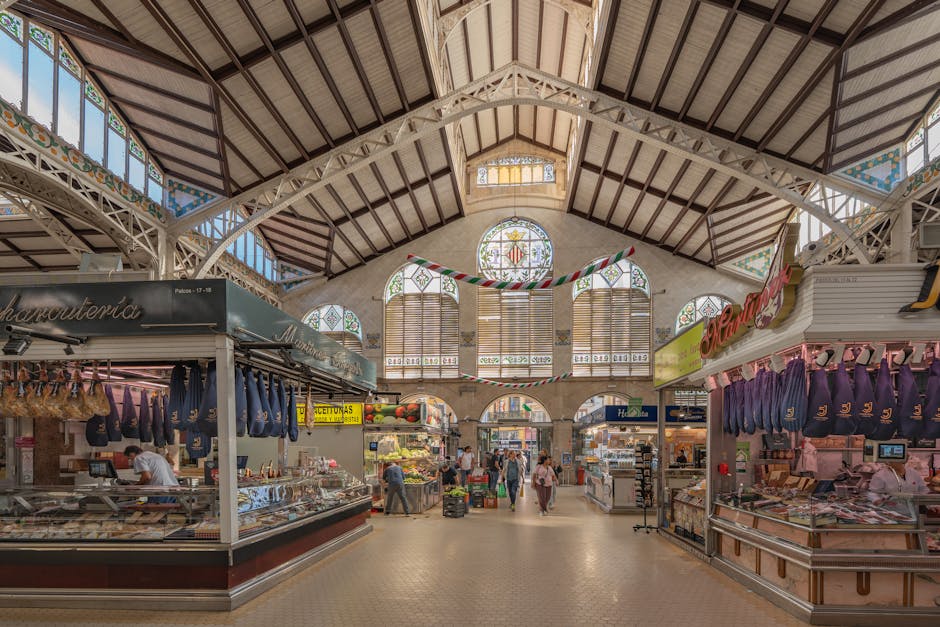
Mercado Central — Pl. Ciudad de Brujas, s/n, 46001 Valencia. Opening hours: Monday to Saturday, 7:30–15:00 (closed Sundays except for special events). This century-old, bustling market is the ideal place to buy rice (bomba), fish, unpackaged fruits and vegetables, and to ask about fresh produce. Be cautious with charcuterie if it contains additives, and speak directly with fishmongers about freshness. Many vendors understand the concept of « sin gluten » and will tell you clearly if their preparations (on-site tapas) are safe.
- Tip: look for stalls selling « bomba » rice (excellent for paella): €2.50–6.00/kg depending on quality; also buy fresh seafood (shrimp €12–20/kg depending on season).
- Local trick: arrive in the morning (8:00–10:30) for the best freshness and to avoid tourist crowds.
Horchatería Santa Catalina
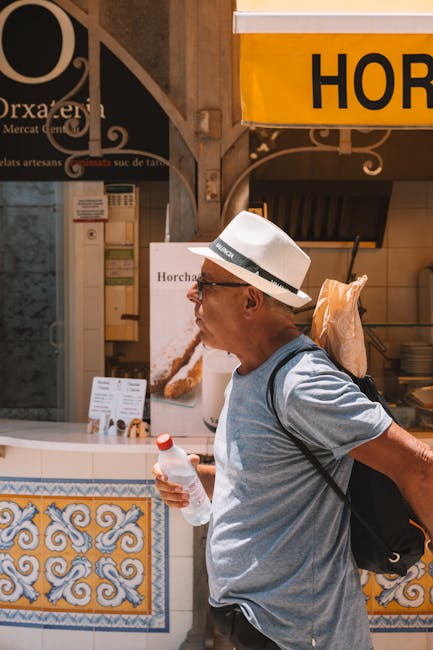
Horchatería Santa Catalina — Pl. de Santa Catalina, 6, 46001 Valencia. Hours: 09:00–19:00 daily (may vary). Price: glass of horchata €1.80–3.00, traditional fartón €1.50–2.50; gluten-free options usually €2.00–4.00. This historic horchatería is a short walk from the market and cathedral. Staff are used to tourists and can tell you clearly if a pastry is gluten-free or if alternatives exist. The vibe is friendly, with wooden tables and traditional tiles — a perfect refreshment stop after exploring the center.
Casa Carmela (traditional paellas)
Casa Carmela — Carrer d’Isabel de Villena, 155, 46011 València. Hours: Monday–Sunday 13:00–16:00 (lunch); 20:00–23:00 (dinner) — check seasonally. Price: individual paella €20–30; family paella €40–80 depending on ingredients. Casa Carmela is renowned for cooking over wood fire — the traditional technique that creates the socarrat (crust). The rice is gluten-free, and the chef can adapt the broth on request. Notify the team when booking so they prepare a paella without industrial broth and take precautions against cross-contamination.
- Booking tip: call +34 963 775 289 (indicative number, verify online) and ask for « paella sin gluten »; arrive a little early to explain your needs to the server.
Must-visit restaurants, bakeries and markets in other neighborhoods
Beyond the center, Valencia offers excellent options in neighborhoods like Ruzafa, El Cabanyal and the port area. Some places stand out for an explicit « sin gluten » policy or for modern kitchens that can adapt dishes.
La Pepica (La Malvarrosa)
La Pepica — Paseo Neptuno, 6, 46011 Valencia (La Malvarrosa beach). Hours: 12:30–16:00 and 20:00–23:00 (may vary by season). Price: paella €18–30 per portion; tasting menus €35–60. La Pepica is a historic institution on the seafront, famous for its seafood paellas. The setting is maritime, with tables close to the sea and professional service. Ask explicitly for a paella prepared « sin gluten » and, if possible, request a separate table while the paella is being cooked to minimize cross-contamination.
- Local tip: arrive at sunset to enjoy the terrace. In summer, book ahead and inform them about dietary restrictions.
Ruzafa: micro-restaurants and modern options
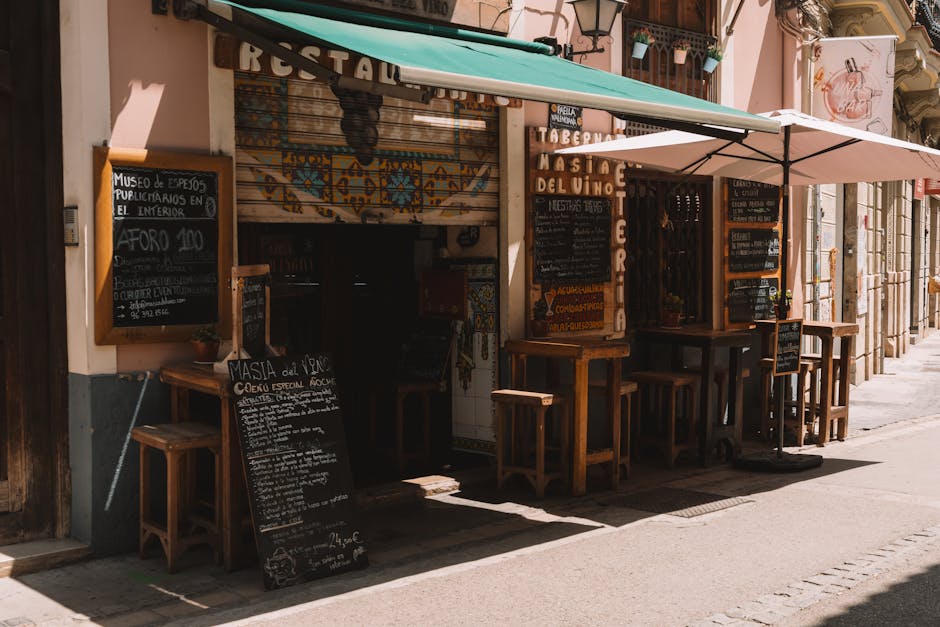
Ruzafa is Valencia’s most cosmopolitan neighborhood, full of modern restaurants, wine bars and artisan bakeries that understand the demand for gluten-free food. You’ll find internationally inspired menus where chefs naturally offer gluten-free alternatives: rice tortillas, gluten-free pasta and desserts made with almond or rice flour.
- Examples: look for « gluten-free » on the menu; a full meal costs €18–35 depending on the place. Typical hours: 12:00–15:30 and 20:00–23:30.
- Tip: trendy spots are more likely to accept substitutions; prioritize weekends for lively atmosphere but book ahead.
El Cabanyal / La Malvarrosa: seafood and beach dishes
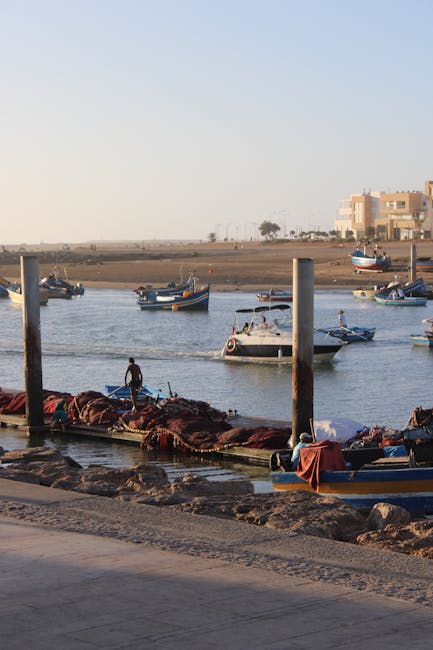
The traditional fishing quarter of El Cabanyal, continuing to La Malvarrosa beach, hosts many arrocerías and seafood restaurants. Basic rice-and-fish dishes are ideal for a gluten-free diet, with the same caveat: be vigilant about broths, sauces and breading.
- Tip: choose bocadillos (sandwiches) without gluten only if gluten-free bread is explicitly available; otherwise opt for plated dishes.
Shops, bakeries and gluten-free shopping in Valencia
If you prefer to cook or need safe snacks, Valencia has specialist shops and supermarkets with gluten-free sections. Buying quality rice, alternative flours and gluten-free pastries can make your stay much easier. Here’s where to look and what to buy:
Local products to buy and where to find them
The Central Market (Pl. Ciudad de Brujas, s/n, 46001) remains the go-to place for bomba rice (ideal for paella), fresh seafood, vegetables and Valencia oranges. Prices: bomba rice €2.50–6.00/kg, oranges €1.50–3.00/kg depending on season.
Organic shops and specialist stores: several outlets in Ruzafa and near Plaza de la Reina stock gluten-free ranges (rice flour, corn flour, baking mixes). Prices: rice flour €2.50–6.00 per 500 g bag, baking mixes €3–7.
Gluten-free patisseries and bakeries
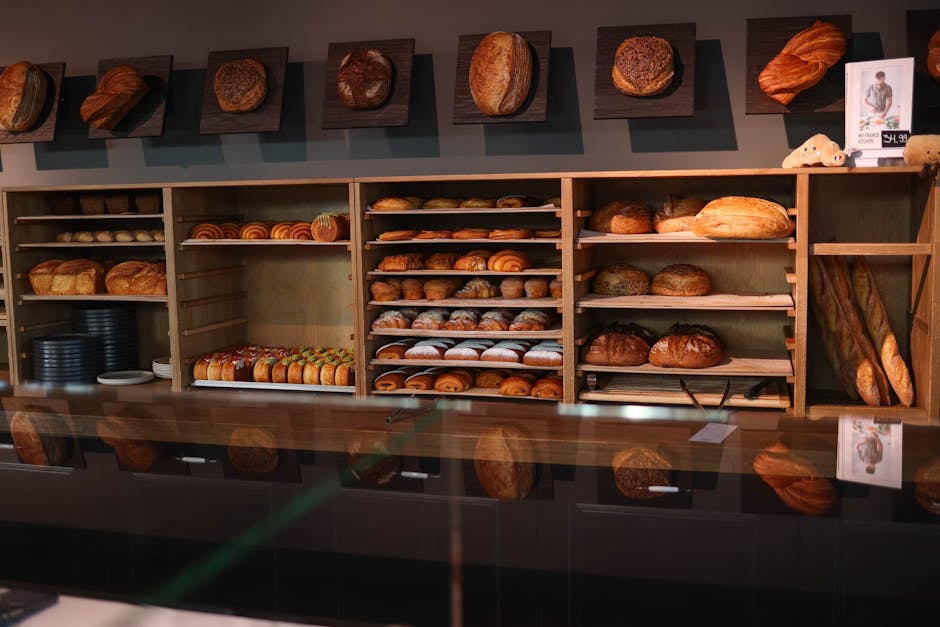
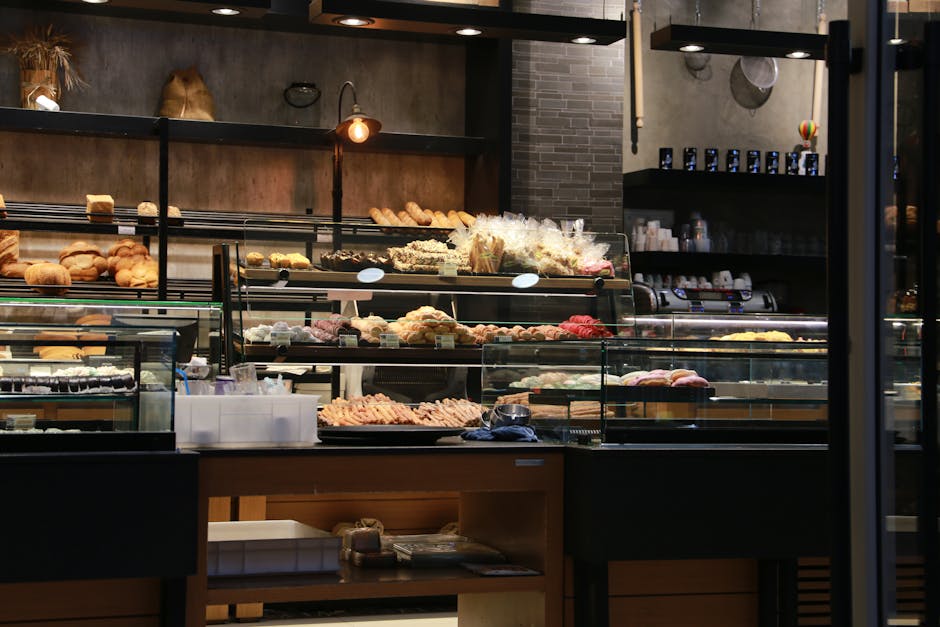
Look for bakeries labeled « pan sin gluten » or « pastelería sin gluten ». Many offer almond-flour cakes, rice-flour cookies and gluten-free brioche. Price: pastries and cakes €2.50–5.00 each; specialty breads €3–6 per loaf.
- Tip: ask the preparation date, whether they use a separate oven and how they package items to avoid cross-contamination.
Practical tips, useful phrases and precautions for a gluten-free stay
Preparation and knowing what to do are essential for traveling with peace of mind. Here’s a set of concrete tips, useful Spanish/Valencian phrases and precautions to take.
Useful phrases to say at a restaurant
- « Soy celíaco/celíaca » — I am celiac. (Specify if it’s a severe allergy.)
- « ¿Tiene platos sin gluten?» — Do you have gluten-free dishes?
- « ¿Puede preparar esto sin gluten y evitar contaminaciones?» — Can you prepare this without gluten and avoid cross-contamination?
- « ¿Usa caldo o salsa con gluten?» — Do you use broths or sauces with gluten?
How to check a dish is safe
Ask about the source of ingredients (especially broths, sauces and cured meats). Make it clear that no flour, batter, industrial sauce or vinegar containing gluten should be used. If staff aren’t trained, opt for a simple dish: plain rice, grilled fish, vegetables a la plancha.
Other precautions
- Favor establishments with written menus that indicate « sin gluten ».
- Avoid shared fryers (croquetas, calamari) because of common oil baths.
- Carry a translation card in Spanish/Valencian explaining celiac disease (useful for cafés and small shops).
- Bring safe snacks for day trips (especially if you visit Albufera or take a boat trip).
Culinary experiences not to miss and seasonal advice
Valencia follows a calendar of festivals and seasons that shape its cuisine. Here are seasonal experiences and tips to enjoy Valencian gastronomy gluten-free:
- Las Fallas (March): many street stalls sell food; favor official stands and ask « sin gluten ». For hot street food, prefer grilled seafood and rice cooked on site rather than fried items.
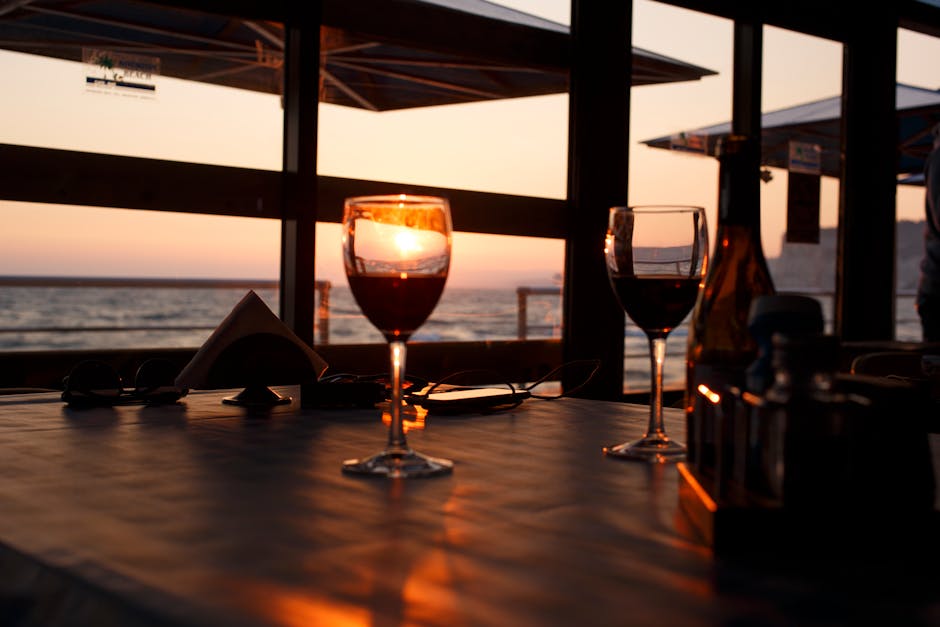
- Summer: enjoy terraces at La Malvarrosa and have paella by the sea; remember to reserve and confirm gluten-free adaptations.
- Autumn/winter: slow-cooked dishes like arròs al forn and seasonal tapas (mushrooms, pumpkin) are at their best. Indoor markets like Mercado Colón (near the bullring area) are perfect for sheltered shopping and tasting.

Always contact ahead
If you’re aiming for renowned restaurants (e.g. Casa Carmela, La Pepica), call 24–48 hours in advance. For markets and small shops, a direct conversation is often enough to confirm ingredients and preparation methods. Keep local medical and emergency contacts handy if you’re highly sensitive.
Conclusion: Savoring Valencia gluten-free — a balance of caution and discovery
Valencia is an especially welcoming destination for those on a gluten-free diet thanks to the prominence of rice and seafood in local cuisine. Iconic dishes — paella valenciana, arròs al forn, arròs negre — offer a wide palette of flavors and experiences that can be enjoyed safely with proper preparation and communication. Markets like Mercado Central, historic horchaterías such as Horchatería Santa Catalina, and landmark restaurants like Casa Carmela and La Pepica are must-visits, provided you always mention « sin gluten » and insist on precautions against cross-contamination.
Throughout this guide you’ve found practical points: exact addresses to orient yourself in the city, opening windows to plan meals, price ranges to budget, and linguistic tips to make yourself understood. We also stressed the importance of asking about broths, avoiding breading and requesting separate equipment for bread and pastries. Combine that vigilance with a curiosity to explore, and Valencia will reward you: colorful markets, seaside terraces and chefs willing to adapt traditional recipes so taste is never sacrificed for safety.
In short: plan ahead, inform your hosts, favor rice-based dishes and fresh produce, and choose places transparent about their practices. With these keys, gluten-free Valencian cuisine becomes not only possible, but can turn into one of the most memorable food experiences of your trip. Enjoy — bon viatge — and savor Valencia’s flavors with peace of mind.
[[IMAGE:Valencia city skyline evening view from Turia gardens]]