



Introduction — Why understanding tourist menus in Valencia’s Old Town matters
Valencia’s Old Town (Ciutat Vella) is a living patchwork of medieval plazas, narrow lanes, century-old markets and restaurants serving food rooted in both land and sea. For visitors, knowing how “tourist menus” work — the set formulas offered to guests (menu del día, menú turístico, combined tapas, tasting menus) — is the key to eating well, getting good value, and avoiding common traps. Tourist menus aren’t all the same: some are designed to introduce you to authentic local dishes (paella valenciana, esgarraet, fartons with horchata), while others aim to satisfy a hurried international clientele with standardized, overpriced options. Learning how to read them helps you pick places that prioritize quality and seasonality rather than tourist churn.
In this post I offer a practical, detailed guide to decoding those menus across the historic neighborhoods — El Carmen, El Mercat, La Seu — with concrete examples, public addresses and price/time benchmarks. We’ll look at where to find an auténtico “menú del día” (the weekday lunch set often available during the week), how to identify an honest “menú turístico” in the heart of Ciutat Vella, which local variations to ask for (paella valenciana, arròs al forn, suquet de peix), and how to politely probe or negotiate with staff to avoid surprises (unannounced supplements, whether service is included, actual portion sizes). You’ll also find local tips to adapt your choices by season — summer favors horchata and cold dishes, winter highlights stews and oven rice — and how to match budget and culinary experience.
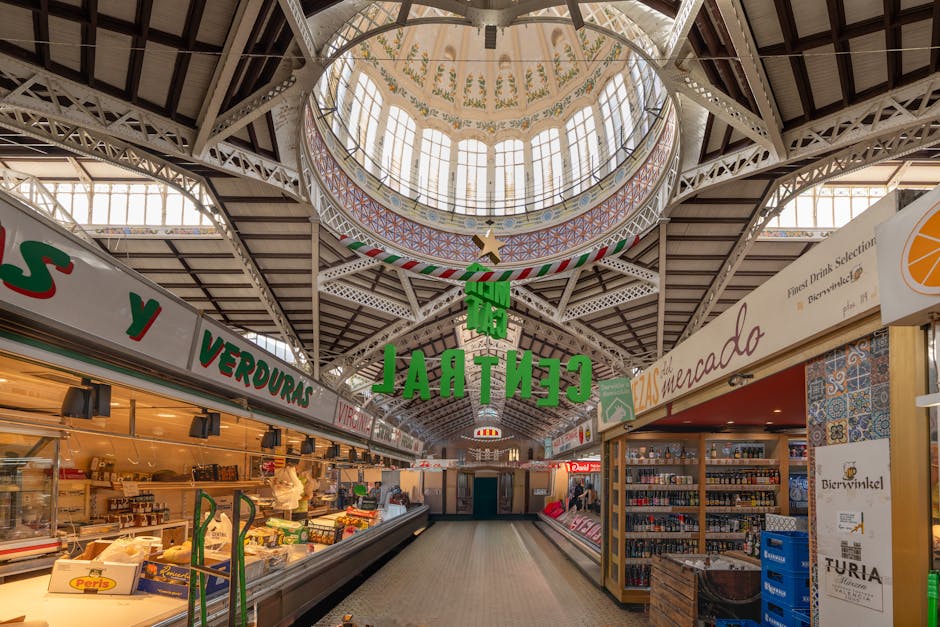
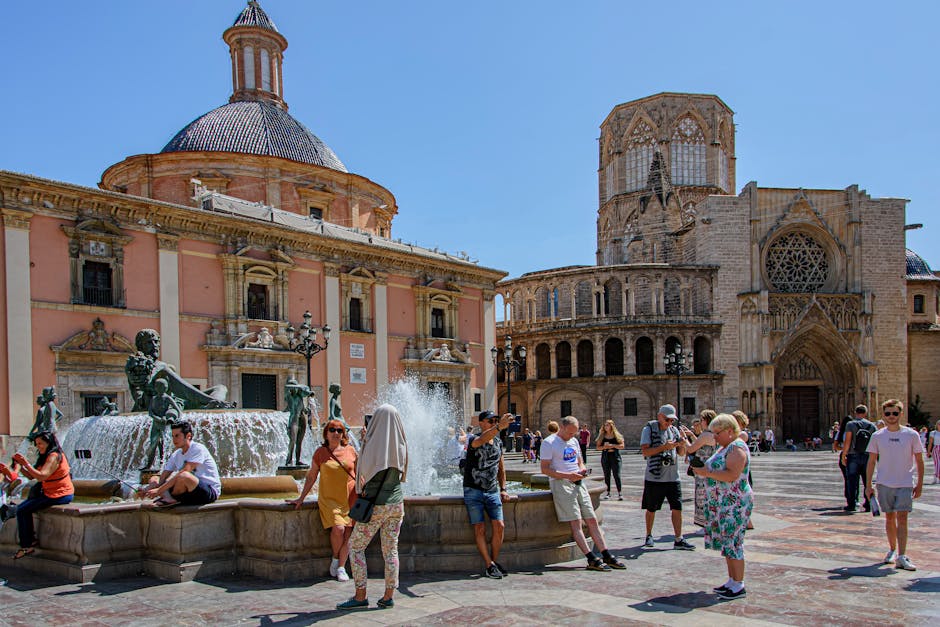
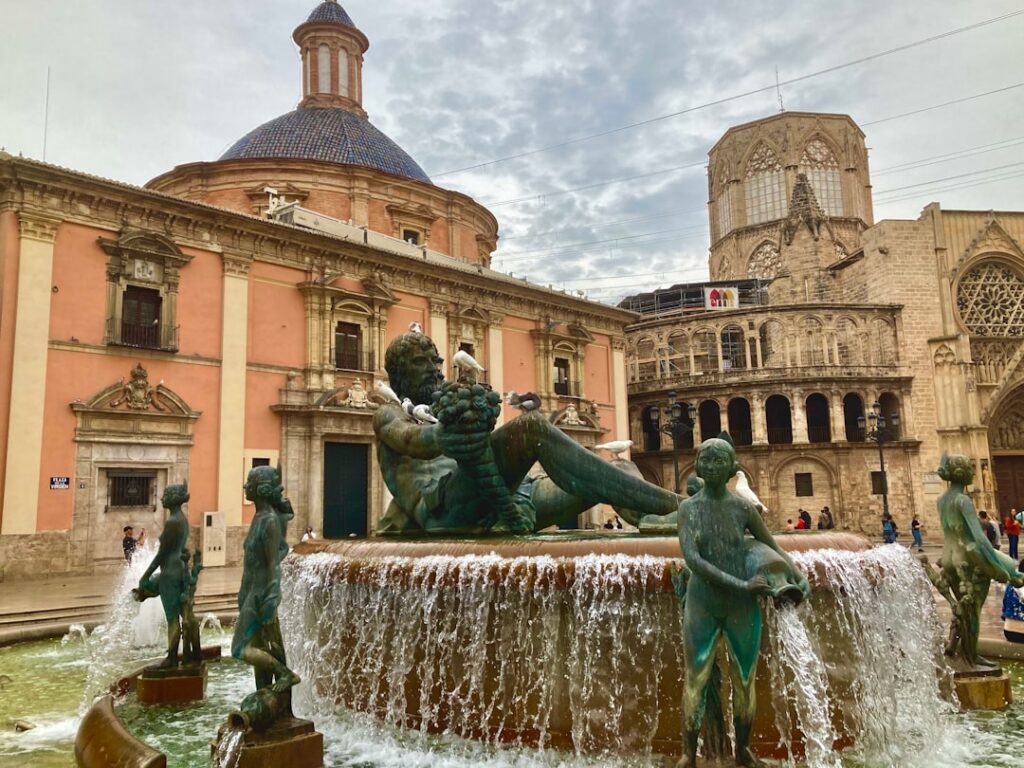
I’ll detail some must-visit spots where the culinary offering is visible and verifiable: Mercado Central (Plaça Ciutat de Bruges, s/n, 46001 València), where stalls serve raciones and quick menus; Plaza de la Reina and its tourist restaurants; the area around La Lonja de la Seda (Carrer de la Llotja, 2, 46001 València) where small tavernas serve daily menus; and the historic bars of Barrio del Carmen for old-school tapas. For each area I’ll give typical opening hours and price ranges in euros, along with immersive descriptions of atmosphere, plating and practical tips (reservations, English menus, vegetarian or gluten-free options, etc.).
Finally, this guide includes concrete hacks: how to spot a lunch menu worth it (price, number of courses, use of local produce), questions to ask before ordering (is bread or cover charged? is the main dish subject to a supplement?), and how to use markets and bars to piece together a low-cost tasting route. Traveling with kids or with dietary restrictions? Tourist menus in the Old Town can be adapted: ask for smaller portions, share a ración, or choose a combined tapa. Understanding these menus turns a meal into a cultural experience: eating in Valencia means tasting the agricultural and maritime history of a region that invented paella and cherishes local produce.
1) Midday formulas: the “menú del día” in Ciutat Vella — how to spot it and make the most of it
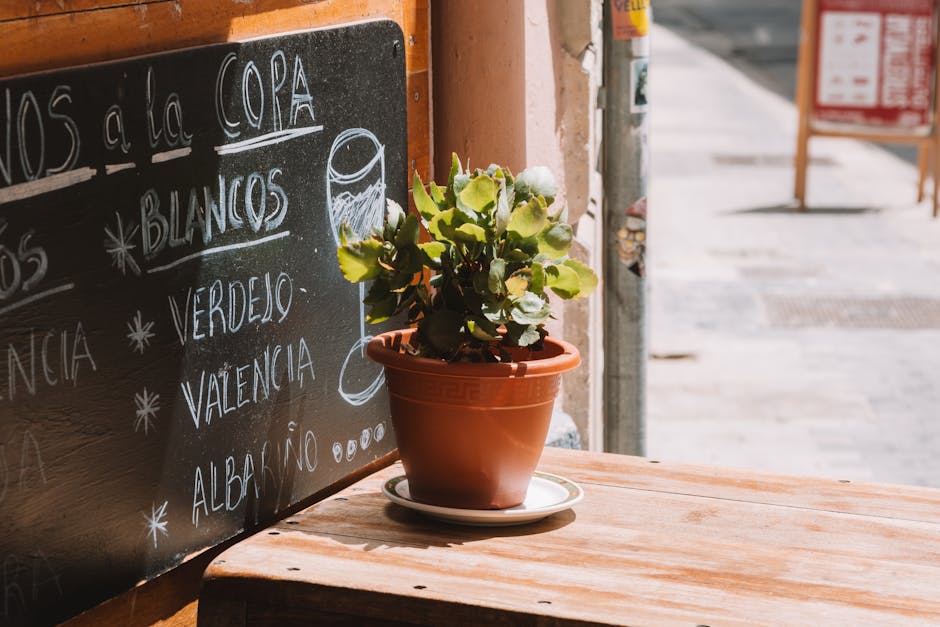
The “menú del día” (lunch set) is the practical go-to for city lunches — typically offered Monday to Friday, sometimes Saturday midday — and usually includes a starter, a main, dessert and a drink for a fixed price. In the Old Town, a good menú del día will often feature regional dishes at a fair price: expect ranges from €11 to €18 in 2024 for a decent set, and €20–30 in more touristy restaurants or those close to major sights. Look for the menu displayed at the entrance, written on a blackboard or chalkboard — that’s often a sign of fresh ingredients and daily rotation.
Concrete example: at Mercado Central (Plaça Ciutat de Bruges, s/n, 46001 València) several bars and stalls offer quick menus and tapas with clear price ranges. Typical Mercado Central hours: generally Monday to Saturday 07:30–15:00 (some stalls stay open later for evening tapas). Around Plaza de la Reina (Plaça de la Reina, 46001 València) midday menus commonly fall between €12.50 and €18; a €14.90 menu might include gazpacho or salad, a rice dish or fish of the day, bread, a drink (1/4 wine or beer) and coffee. Be aware: near attractions (Valencia Cathedral, Torres de Serranos) expect higher prices and more touristy versions.
How to recognize a good menú del día:
– Number of choices: 2–3 options for starters and 2–3 options for mains — a sign of varied cooking.
– Local produce: presence of arroz (paella, arròs a banda), Mediterranean fish, vegetables from the Huerta de Valencia.
– Drink and coffee included: if drink and coffee are included the set is usually better value; if they’re extra the total can rise by €3–6.
– Spanish/English menu: serious restaurants often provide an English translation; if the menu is only in English and overly simplified, be wary of inflated prices.
Local tip: ask whether rice dishes are served “por raciones” (shared portion) or as part of the menú (individual portions), since some paellas meant for two or more are charged differently. If you want to taste an authentic paella valenciana, choose places that cook to order and list a per-person price (usually €12–20 per person depending on ingredients) rather than those that display large pre-made pans mainly for photo appeal.
2) The “menú turístico”: when it makes sense — and when to skip it
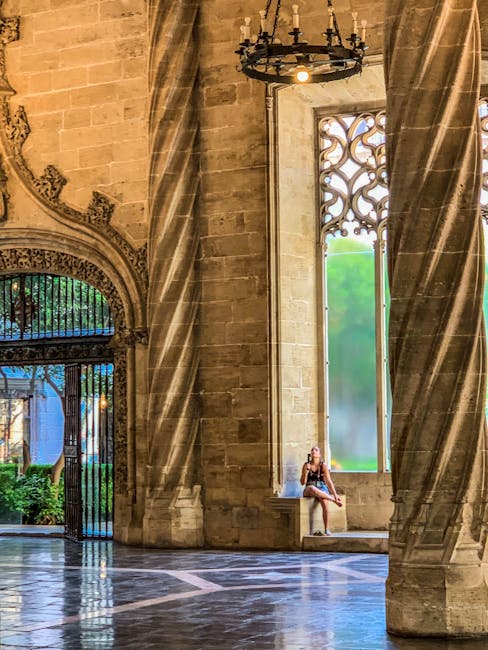
The “menú turístico” is a formula aimed at visitors and groups. Its advantage is simplicity: several pre-selected dishes, quick service, fixed price — often €18–30 in the Old Town. But it has pitfalls: standardized portions, frequent use of frozen ingredients, and dishes designed to please international palates (steak & fries, pizza, “safe” options). In Valencia some restaurants around La Lonja de la Seda (Carrer de la Llotja, 2, 46001) or Plaza del Mercado run these menus for rushed tourists.
Signs of a good “buen menú turístico”:
– Inclusion of local specialties (a tapa of esgarraet, a portion of arròs, a traditional dessert like orxata with fartons).
– Price and extra charges clearly stated (extras listed transparently on the menu).
– Vegetarian option or fish of the day: a sign they care about quality.
Indicative prices in 2024: a decent honest menú turístico will range between €20 and €28 per person, drink and coffee included. A price under €15 can indicate lower quality or very small portions; a price above €30 should offer a more gourmet selection, sometimes with an amuse-bouche or a refined dessert.
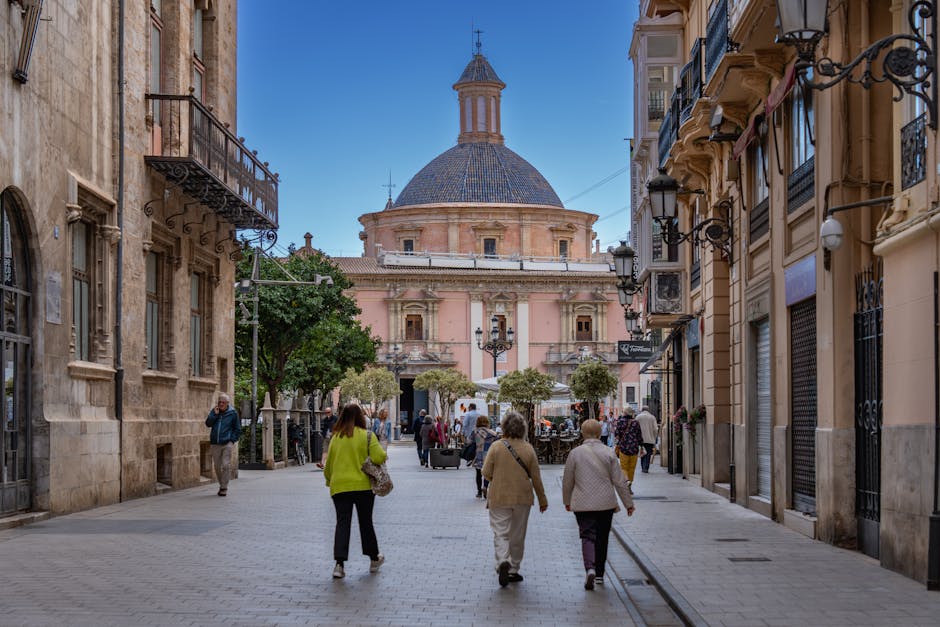
Practical tips to avoid menu traps:
– Read recent online reviews and check up-to-date photos of the dishes.
– Avoid restaurants that shout “English menu” in big letters at the entrance if you’re seeking authenticity — these places often aim for volume.
– Ask whether the menu is prepared “today” or if it’s been the same for weeks: freshness matters.
– If a tourist menu offers paella “for one” at a suspiciously low price (e.g. €8–9), be cautious — genuine paella takes time and ingredients and won’t be sold cheaply without compromising quality.
3) Where to enjoy authentic tapas and how to read a tapas menu
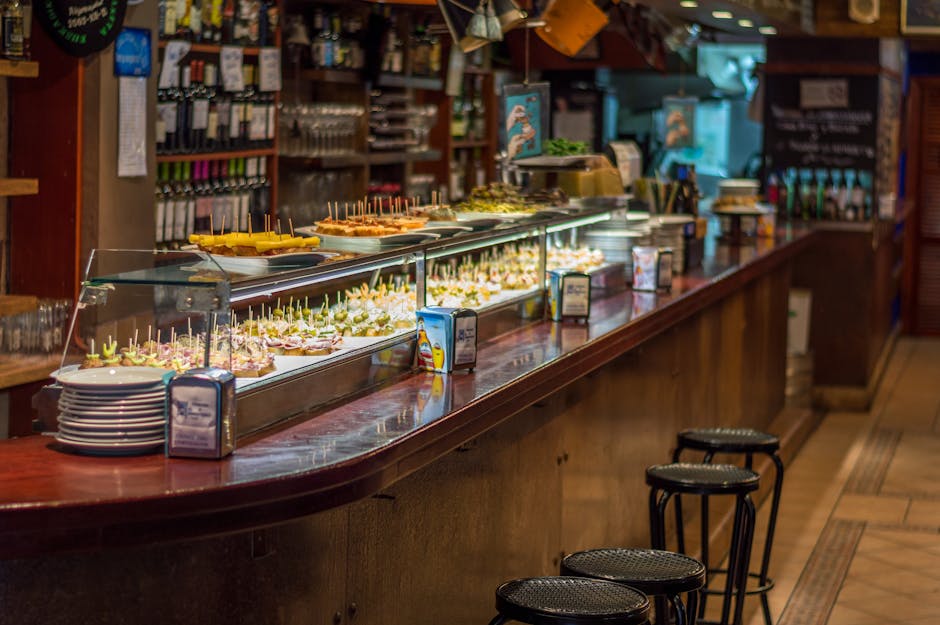
Tapas are central to Valencian social life. In Ciutat Vella, traditional bars serve raciones (large plates to share) and medias raciones (half portions), with prices typically between €3.50 and €12 for a tapa or ración depending on the ingredient (seafood and meat cost more). Barrio del Carmen (Carrer del Cabillers, Carrer de la Tapinería and nearby) is full of small tavernas where you can build a meal by sharing 3–5 tapas per person.
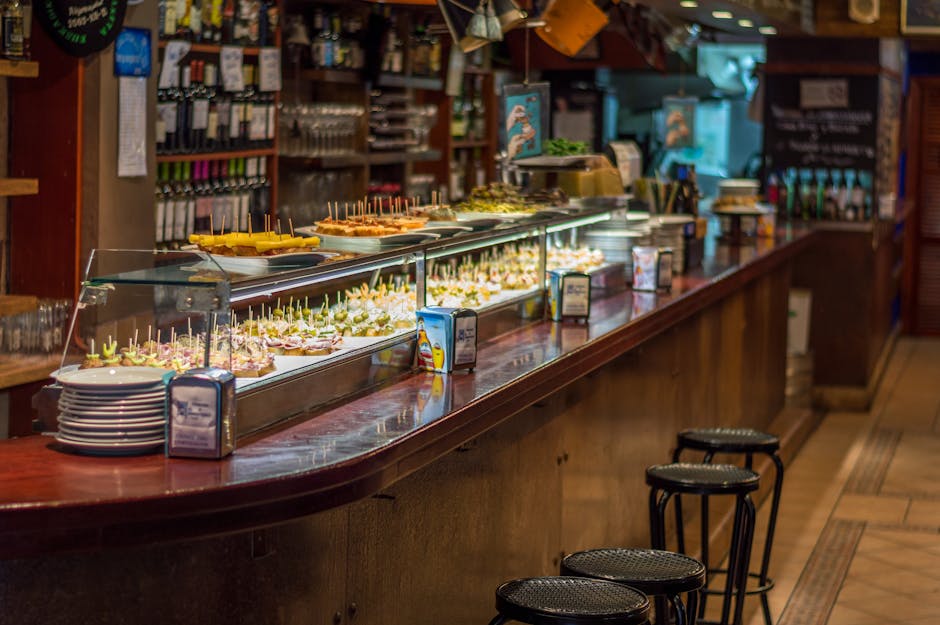
Examples of tapas and observed prices in 2024 (indicative):
– Esgarraet (roasted peppers and salt cod): €6–9 per ración.
– Clóchinas (seasonal Valencian mussels): €7–12 per ración.
– Croquetas caseras (homemade croquettes): €4–6 for 3–4 pieces.
– Small paella portion (paella en pequeña ración): €8–12 to taste without committing to a whole pan.
Historic places often display a chalkboard with daily specials; a good sign is the presence of Huerta produce (tomatoes, aubergines, artichokes) and fresh fish.
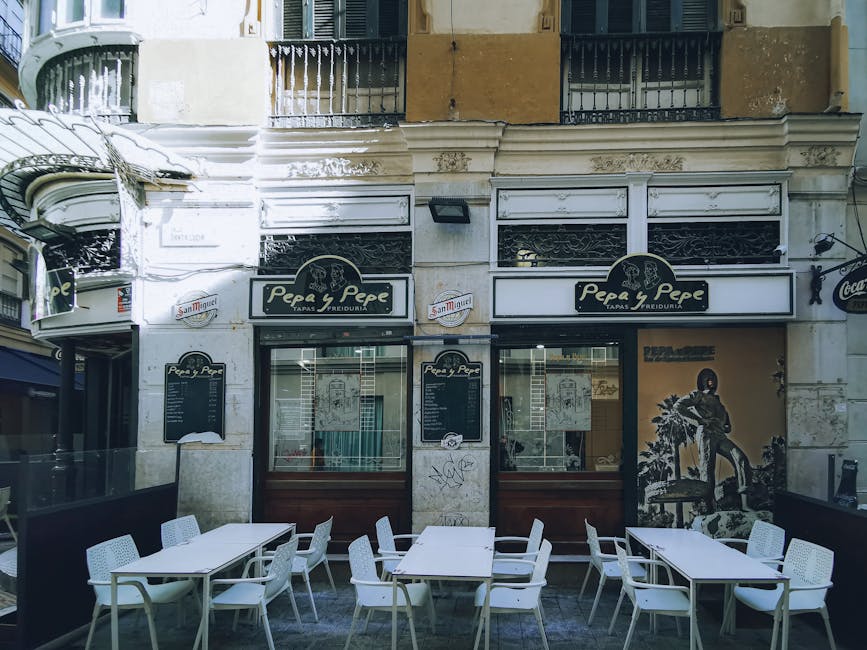
How to read a tapas menu:
– Look for words like “casero” (homemade), “a la plancha” (grilled) or “del dia” (of the day).
– If the menu specifies weight or number of pieces for each tapa, that’s a good sign of commercial transparency.
– Ask about portion sizes before ordering: some tapas are generous raciones, perfect for two.
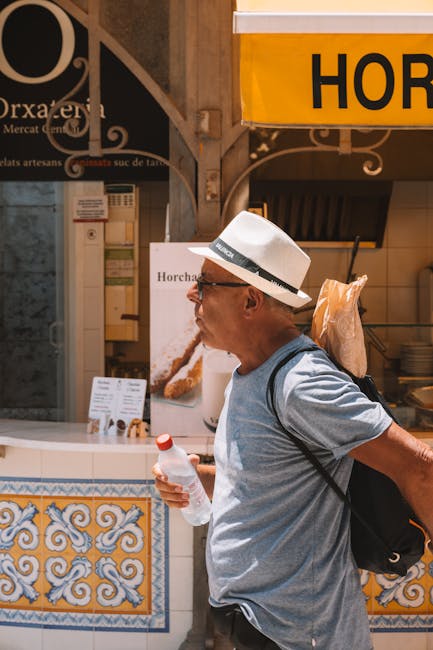
Local tip: favor places where locals eat — they’ll often be standing at the counter during aperitivo time (between 18:30 and 21:00). Don’t sit straightaway at a table facing tourist sites during peak hours: walk 2–3 streets in and you’ll likely find better prices and quality. And don’t miss trying horchata (orxata de xufa) and fartons (elongated pastries) at a traditional horchatería near Plaça de la Reina or around Mercado Central.
4) Practical benchmarks: useful addresses, opening hours and budgets to plan your meals in the Old Town
Here’s a selection of practical reference points (public places, markets, monuments surrounded by many options) with addresses, typical hours and indicative budgets — these will help you plan without guessing.
- Mercado Central — Plaça Ciutat de Bruges, s/n, 46001 València. Typical hours: Monday to Saturday 07:30–15:00 (some stalls open evening hours for tapas on Thursday/Friday). Budget: tapas €3–12, quick menu €9–16.
- La Lonja de la Seda (museum/monument) — Carrer de la Llotja, 2, 46001 València. Visitor hours: generally Tuesday to Sunday 10:00–19:00 (check public holiday schedules). Entry: variable €2–6 (reduced/full rates depending on the year). Streets nearby host many tascas and tourist restaurants with menus €12–25.
- Valencia Cathedral / Plaza de la Reina — Plaça de la Reina, s/n, 46001 València. Visiting hours: 10:00–18:30 (check for religious services). Around the square: restaurants and terraces offering midday menus €12–22.
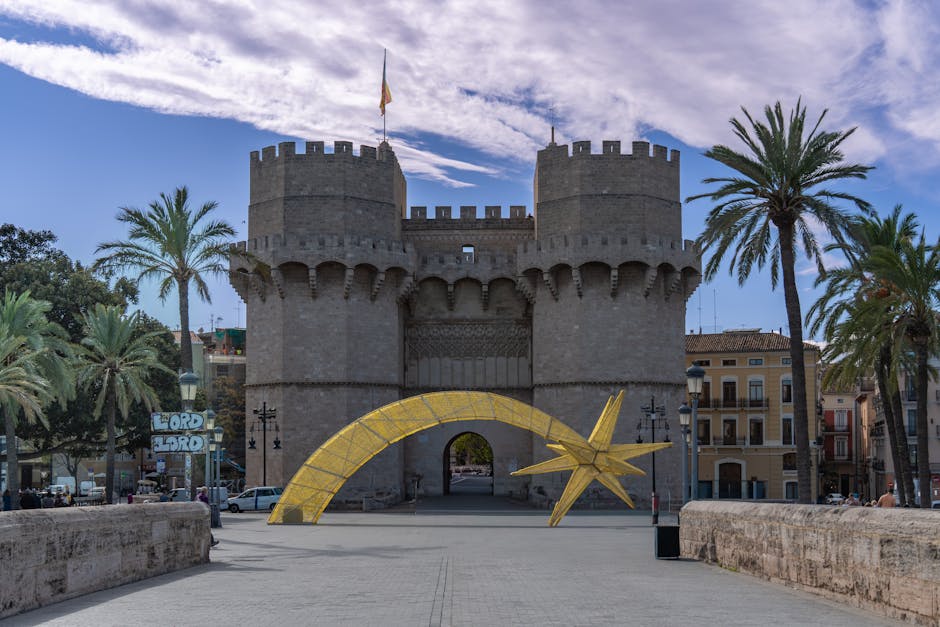
- Torres de Serranos — Plaça dels Furs, s/n, 46003 València. Visiting hours: roughly 10:00–19:00 (seasonal). The area around the Torres gives access to tapas bars and tavernas (tapas €3–10).
- Plaza del Mercado (Plaça Redona) — Carrer de la Tapineria / Plaça Redona, 46003 València. Lively atmosphere, small shops and bars. Menus and tapas €8–20 depending on the place.
Daily budget recommended for eating in the Old Town:
– Tight budget: €15–25 per person/day (shared tapas at the market, horchata, sandwich).
– Comfortable budget: €30–50 per person/day (menú del día, tapas and a shared starter).
– Gourmet budget: €60+ per person (more elaborate meals, paella for two, local wines). These ranges include non-alcoholic drinks and sometimes a glass of wine or beer.
Key hours to remember:
– Lunch (menú del día): 13:00–16:00, the majority of lunch menus are served at midday.
– Snack/afternoon treat (horchata/fartons): 10:00–20:00 at horchaterías.
– Dinner: Valencia dines later than some countries — 20:30–23:00 is normal; expect many locals to start around 21:00. Tourist dinner menus are less common: opt for tapas or à la carte.
Booking tip: for popular restaurants offering paella or tasting menus, reserve 24–48 hours in advance, especially on weekends. For tapas, reservations are usually unnecessary, but if you’re a group of more than six it’s wise to call ahead.
Conclusion — Eat smart in Valencia’s Old Town: take your time, ask the right questions and favor freshness
Understanding tourist menus in Valencia’s Old Town starts with recognizing the variety on offer: from the central market where you stand and eat freshly prepared tapas, to restaurants with well-practiced daily menus, to tourist formulas designed for groups. The key to a great experience is transparency: readable prices, clear dish descriptions, local ingredients and — above all — freshness. Favor places that display their daily menus, that use produce from the Huerta de València and the local coast, and that offer clear portioning (ración, media ración). Local rhythms (midday pause, late dinners) also shape the experience: eat like the locals if you want the most authentic vibe.
To recap my practical tips: always ask if drink and coffee are included in the menu price, check for any possible supplements, and remember that real paella takes time and ingredients — if someone offers you paella “for one” at a very low price, question the quality. Look for places frequented by locals (busy counters, daily chalkboards), explore side streets a couple of blocks from main attractions, and treat yourself to a cold horchata or a plate of clóchinas when in season.
Finally, remember that eating in Valencia is as much a social activity as a culinary one: share, taste, ask servers for recommendations, and adjust expectations to your budget. With these public reference points (Mercado Central, La Lonja, Plaza de la Reina, Torres de Serranos), opening hours and price ranges, you’ll be ready to choose smart tourist menus and turn every meal into an authentic discovery of Valencian cuisine. Buen provecho — enjoy — and savor every spoonful of a city where gastronomy tells the story of the land and the sea.