



Introduction: Month-by-month Weather in Valencia — Why This Guide Is Essential
Valencia, on Spain’s east coast in the Valencian Community, is a year-round destination: Mediterranean climate, beaches, historic sites and renowned cuisine. Knowing the weather month by month helps you plan better — whether you’re a hiker, beach-lover, urban photographer, or foodie. This comprehensive guide breaks down Valencia’s climate in detail, provides practical tips, recommends activities for each season, lists exact addresses (museums, markets, restaurants), and gives usual opening hours and indicative prices. The goal is to help you make the most of your stay, avoid unpleasant surprises and enjoy what the city has to offer.
Valencia’s weather is generally mild compared with many parts of Europe: moderate winters, hot dry summers, and pleasant springs and autumns. Still, each month has its quirks. March can bring sunny spring days but also rainy spells; July and August deliver plenty of sun but sometimes heat waves; October can be wetter, while December stays much warmer than northern Europe. This guide outlines monthly trends in temperature, rainfall and sunshine, and suggests suitable local activities—indoor visits, strolls, markets, trips to the Albufera Natural Park or boat outings depending on the season.
You’ll also find very practical information: exact addresses of places to visit (museums, beaches, markets), typical opening hours, entrance and service prices in euros, and local tips (best times to visit, what to pack, how to get around). Recommendations factor in climate variations and will help you pack smartly—light clothing, sun protection and a hat for summer; warm layers and a windbreaker for winter and cool seaside nights; a compact umbrella for unstable months. The guide also notes how the climate affects local gastronomy: the best season for traditional paella, where to find covered markets like the Mercado Central, and how to enjoy terraces even outside summer.
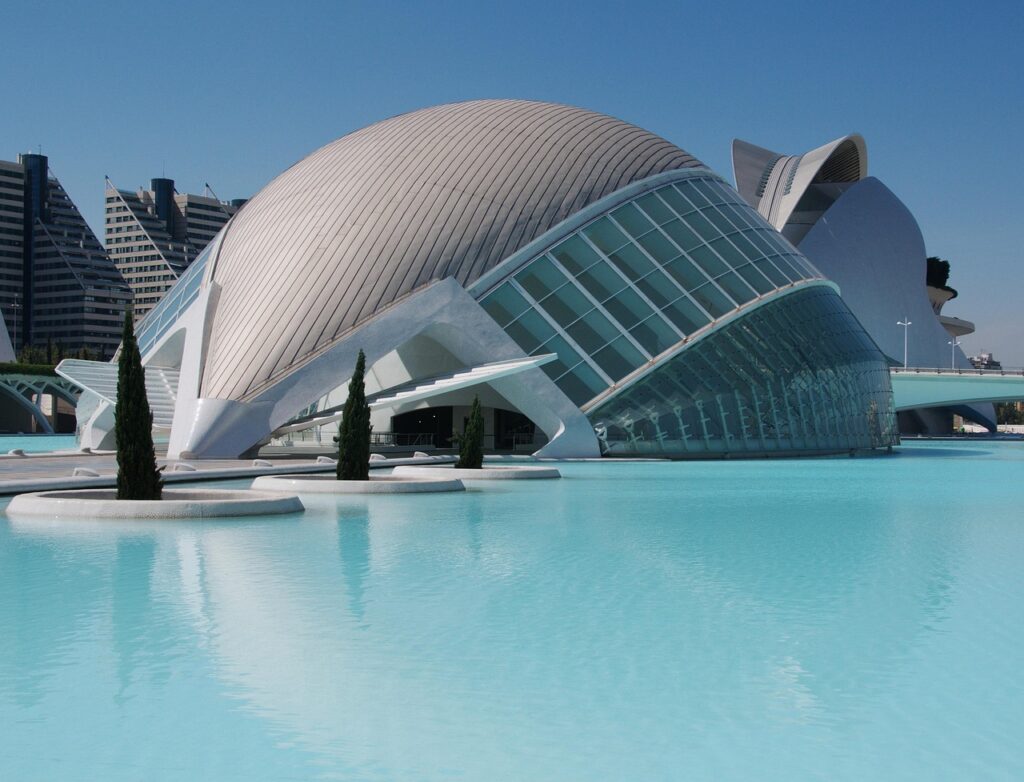
January and February: Mild Winters, City Walks and Museums
January and February are the coldest months in Valencia, but « cold » is relative: averages hover between 6 and 16 °C. Mornings and evenings can be chilly, with nights sometimes dropping to 4–6 °C. Rainfall is moderate—January is often wetter than February—and the days still get more sunshine than many northern European cities. It’s a great time to visit museums and monuments without the crowds. Dress in layers: a windproof coat, a sweater and a light waterproof jacket are usually enough.
Recommended activities:
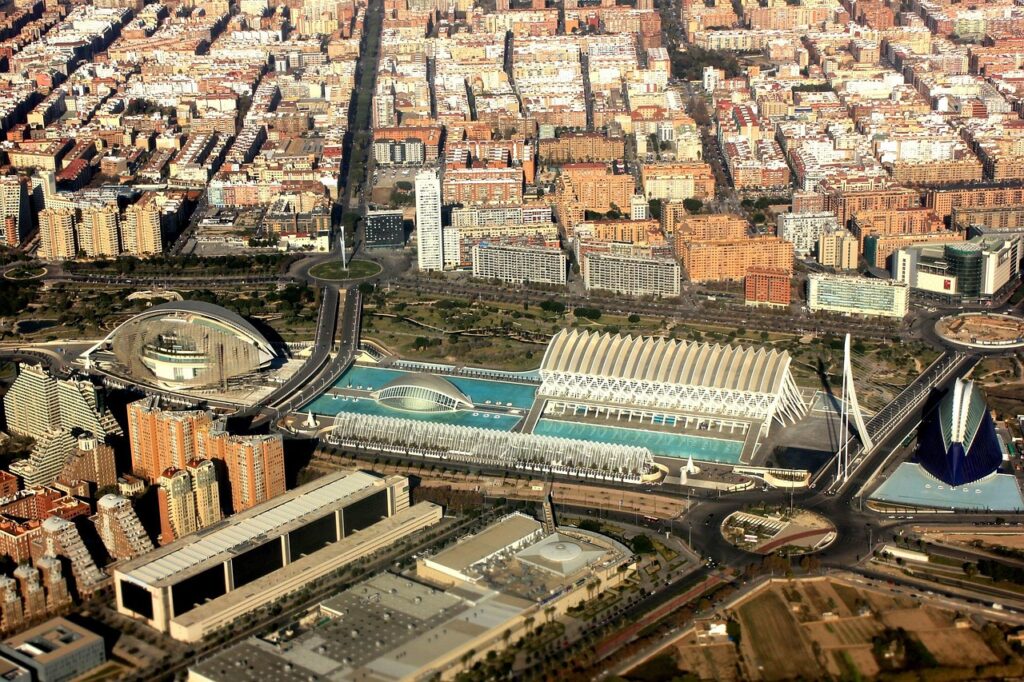
- Visit the Ciudad de las Artes y las Ciencias (Museo de las Ciencias Príncipe Felipe, L’Oceanogràfic). Address: Av. del Professor López Piñero, 7, 46013 Valencia. Hours: Museo de las Ciencias 10:00–19:00 (seasonal changes), L’Oceanogràfic 10:00–18:00; indicative prices: Museo de las Ciencias €8–€10, L’Oceanogràfic €30–€40 depending on exhibits and combined tickets. Booking online avoids queues.
- Valencia Cathedral (Seu de València), address: Plaça de l’Almoina, s/n / Carrer de la Nau, s/n, 46003 Valencia. Hours: 10:00–18:30 (may vary); price: €8–€12 for full entry including the Micalet tower. Early hours offer beautiful interior light for photography.
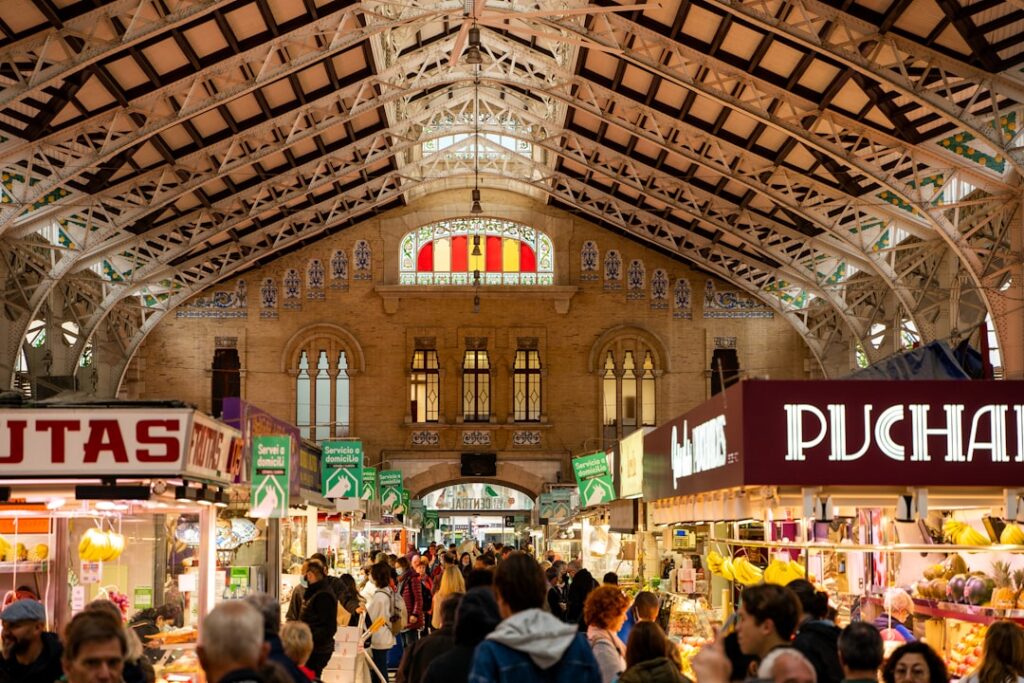
- Mercado Central, address: Plaça Ciutat de Bruges, s/n, 46001 Valencia. Hours: 07:00–15:00 (some stalls close earlier), closed on Sundays; activities: tasting local winter produce and seafood shopping.
Local tips: cafés around Mercado Central (like « Horchatería Daniel », Calle Santa Catalina, 11, 46001 Valencia) provide a cozy refuge. Walks along the Turia, the former riverbed turned garden (Jardín del Turia), are pleasant in the afternoons when the sun warms the air. For a winter culinary experience, try a paella or « arròs al forn » in the La Seu or El Cabanyal neighborhoods—for example, Restaurant Casa Carmela, Calle Isabel de Villena, 155, 46011 Valencia (paella prices: €12–€20 per person depending on ingredients; hours: 13:00–16:00, 19:30–23:00).
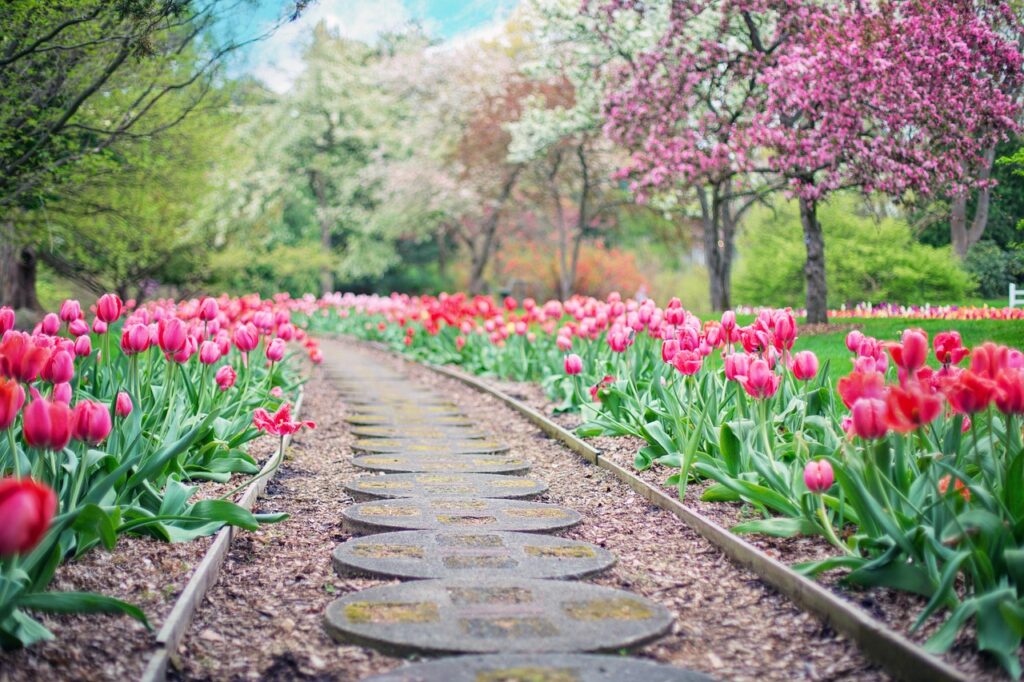
March, April and May: Spring—Blooms, Festivals and Hikes
Spring in Valencia is mild and pleasant. March marks the shift from winter to better weather: temperatures gradually rise (averages 10–20 °C) and showers are still possible, particularly in March. April and May bring longer days, more sunshine and cooler evenings; late May can already feel almost summery. It’s a perfect time to explore green spaces, the coast and take part in cultural events. Tourists start returning, especially around festivals like Las Fallas (if dates fall late)—check the calendar as dates vary each year.
Recommended activities and places:
- Jardín del Turia — long walks, bike paths and playgrounds. Free access from many points, for example Puente de la Exposición, 46013 Valencia. Bike rental costs around €10–€15 for a half-day at local shops (hours 09:00–19:00 depending on season).
- Malvarrosa Beach, address: Passeig de Neptú, s/n, 46011 Valencia. Wide beach, seafront promenades, cafés and chiringuitos. In May the water remains cool but sunny afternoons are great for sunbathing; bring sunshade and sunscreen. Facilities: public showers, sunbed rentals €5–€10 per day depending on the stall.
- Albufera Natural Park — traditional boat rides from El Palmar (El Palmar, 46012 Valencia). Typical embarkation: embarcadero El Palmar, Carretera de El Saler a El Palmar, km 2, 46012 Valencia. Boat schedules: usually 09:00–19:00 in high season, off-season trips on demand; prices: €15–€25 per person for a one-hour guided ride, depending on operator.
Practical tips: spring is ideal for market cuisine at Mercado de Colón (Paseo de Ruzafa, 1, 46004 Valencia) — modern cafés and restaurants housed in a modernist building. Hours: shops 10:00–22:00, some restaurants open 09:00–00:00. Photographers will love morning light in the historic center (Barrio del Carmen) and the colors of the Albufera at sunset. Wear layers, pack a light rain jacket for sudden showers, and book boat trips early for busy May weekends.
June, July and August: Hot Summer, Busy Beaches and Nightlife
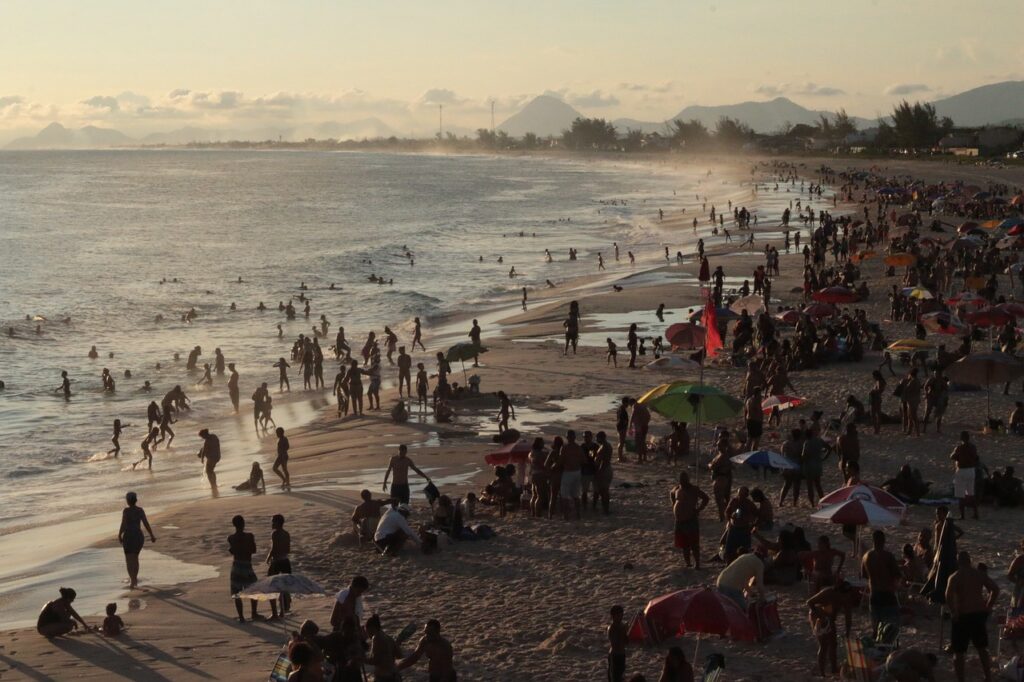
Summer in Valencia is hot and dry, with daytime highs often above 30 °C in July and August. Sunshine is abundant and the Mediterranean cools the air along the coast. Beaches — Playa de la Malvarrosa and Playa de las Arenas — are lively, with chiringuitos (beach bars), restaurants and water sports. Nights come alive with tapas, terraces, festivals and outdoor concerts. Take precautions: strong sun protection, stay hydrated and avoid strenuous activity during the hottest hours (12:00–16:00).
Practical places and services:
- Playa de las Arenas — address: Paseo de Neptuno, 46011 Valencia. Popular chiringuitos and a promenade along the Paseo Marítimo. Rent pedalos or paddleboards: about €15–€25 / hour. Public showers and toilets available.
- El Cabanyal neighborhood for seaside paella — for example Restaurante Casa Carmela, Calle Isabel de Villena, 155, 46011 Valencia. Hours: 13:00–16:00 / 19:30–23:00. Traditional shared paella price: €18–€30 per person depending on ingredients. Weekends recommended to reserve.
- Terraces and rooftops: evening outings at Mercado Colón for a drink, or the rooftop at Hotel Barceló (Avinguda de França, 11, 46023 Valencia) serving cocktails 18:00–02:00; cocktail prices: €8–€15.
Comfort and safety tips: favor mornings for cultural visits (10:00–13:00) and evenings for terraces and strolls. Public outdoor pools, like Piscina Municipal de Valencia (Centro Deportivo Municipal La Petxina, Av. del Cid, 6, 46018 Valencia), charge from €3–€6 depending on the rate; hours usually 09:00–21:00 in summer. To avoid crowds, head to quieter coves and beaches south toward the Albufera or beaches 15–30 minutes by car.
September, October and November: Autumn—Mild Days, Harvests and Occasional Rain
Autumn brings gradually cooler temperatures. September often keeps a summery feel—warm sea and pleasant days—but October and November bring more rain and cooler weather (averages around 12–22 °C in October and 8–18 °C in November). Autumn colors appear in the city parks and provide perfect light for photography. It’s also harvest season, ideal for wine tours in the Utiel-Requena area (about 60–70 km from Valencia).
Activities to focus on:
- Wine excursions: bodegas in the Utiel-Requena region; example Bodegas Hispano + Suizas, Carretera, A-3, Km 248, 46340 Requena, Valencia. Visit hours: 10:00–18:00 (by reservation); tasting tours: €10–€30 depending on the package.
- Cultural walks: Barrio del Carmen, Torres de Serranos (Plaça dels Furs, s/n, 46003 Valencia). Hours: 10:00–18:00; modest entrance fee €2–€4. In autumn the lack of extreme heat makes climbing the towers very pleasant.
- Museums and temporary exhibitions: IVAM – Institut Valencià d’Art Modern (Carrer Guillem de Castro, 118, 46003 Valencia). Hours: 10:00–19:00 (variable); price: around €5–€8 general admission, temporary shows may have extra fees.
Practical tips: October can bring heavier rain spells—carry an umbrella and waterproof shoes. September still allows swimming; in October the braver ones may still enjoy morning dips. Autumn markets showcase seasonal produce: mushrooms, figs, pomegranates and citrus. Mercado Central remains a recommended stop to taste these items: budget €10–€20 for a meal or tasting on site. For photographers, the golden morning light in the Albufera Natural Park creates beautiful shots of reeds and migratory birds.
Year-round Practical Tips: Clothes, Transport and Local Hacks
Regardless of the month, a few practical tips make visiting Valencia easier. The Mediterranean climate means there’s often a strong temperature difference between day and night, especially outside summer: bring layers (T-shirts, light sweaters, a windproof jacket). A compact umbrella and comfortable waterproof shoes are useful in rainy months. In summer, sunscreen (SPF 30+), a hat and sunglasses are essential. For sea trips, pack a swimsuit, towel and non-slip sandals for pebbles or hot surfaces.
Transport:
- Metro and tram: Empresas Municipal de Transportes de València (MetroValencia) covers the city and suburbs. Prices: single tickets from €1.50–€2.00 depending on zones; a 10-ride carnet costs around €8–€12. Hours: generally 05:30–24:00 depending on the line; trams may run later on some summer lines. The MOBILIS / Bonometro card or app tickets make travel easier.
- Tourist bus: Valencia City Bus (hop-on hop-off): stops at Ciudad de las Artes y las Ciencias, Mercado Central, Estación del Norte. Price: around €18–€25 for 24 hours, hours vary by season (typically 09:00–18:00).
- Car rental: useful for trips to the Albufera or Utiel-Requena; rates: €30–€60 / day depending on season and vehicle. City parking in central zones is paid (zonas ORA); check signs and rates: €0.50–€2.00 / hour depending on area.
Local hacks:
- Favor visiting sites between 10:00–13:30 and 17:00–21:00 to avoid extreme heat or early closures.
- Book popular paella places and seafront restaurants in advance during summer and holidays; many offer group menus (average price €20–€35 per person for shared dishes).
- For fresh produce, head to Mercado Central in the morning; budget €20–€30 if you want to sample several specialties (cheeses, cured meats, seafood).
- If you visit during local events (Las Fallas, Feria de Julio), anticipate closures and reservations, and pay attention to traffic restrictions.

Conclusion: Use Valencia’s Weather to Make Your Trip Shine
Valencia enjoys favorable weather for much of the year, but each month has its own character—from the quiet museum-filled winter of January–February to the bustling beaches of July–August, passing through flowery spring and wine-rich autumn. Tailoring your itinerary to the weather noticeably improves your experience: visit top indoor attractions on rainy days, enjoy terraces in the cooler evenings in summer, or book an Albufera trip on a fine spring or autumn day. This guide has given precise reference points: exact addresses (Ciudad de las Artes y las Ciencias — Av. del Professor López Piñero, 7; Mercado Central — Plaça Ciutat de Bruges, s/n; Valencia Cathedral — Plaça de l’Almoina / Carrer de la Nau, s/n), usual opening times and indicative prices in euros to ease your planning.
In practice, always check hours and prices on the date of your visit, as places may change services according to season or local events. Use the local tips here: favor cooler hours for walking in summer, bring a warm layer and windbreaker for seaside evenings, and book restaurants and excursions in high season. Valencia remains a surprisingly rich city where climate, sea, culture and gastronomy combine into a welcoming, versatile destination. Whatever time of year you choose, you’ll find reasons to come back: Albufera sunsets, colorful markets, historic lanes and lively beaches. Safe travels and enjoy discovering Valencia’s weather!